
Conjunctivitis (Pink Eye): Types, Symptoms, Causes & Treatment in Delhi
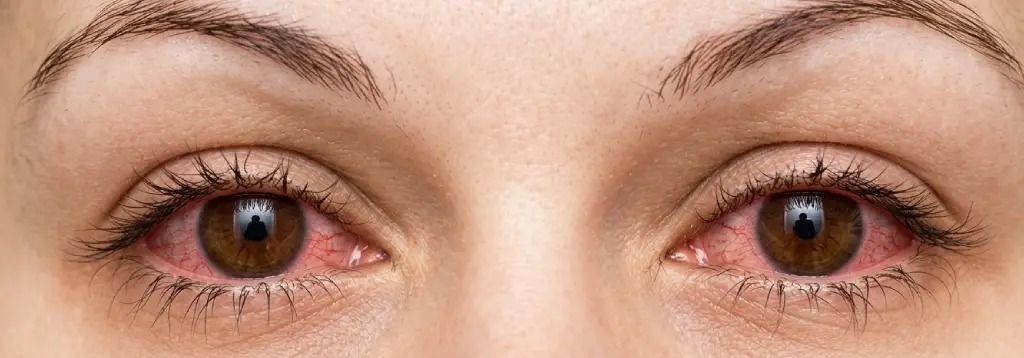
Did your eye suddenly turn red?Are you experiencing itching, watering, or sticky discharge?Is one eye infected and the other starting to feel irritated? You may be dealing with conjunctivitis, commonly called pink eye – one of the most common eye infections affecting both adults and children. The good news?Most cases are treatable, but the right diagnosis matters because treatment depends on the type. This guide explains everything clearly: What Is Conjunctivitis Eye? Conjunctivitis is inflammation of the conjunctiva, the thin transparent layer covering the white part of your eye. When this layer becomes inflamed: It can affect: Eye Conjunctivitis is usually not dangerous, but some types need urgent treatment to prevent complications. Eye Conjunctivitis Symptoms Common symptoms of conjunctivitis eye include: Pink eye symptoms may vary depending on the type of conjunctivitis. Causes of Eye Conjunctivitis Conjunctivitis can be caused by: Viral infection Most common causeHighly contagiousOften spreads through contact Bacterial infection Caused by bacteriaProduces sticky dischargeCan affect both eyes Allergies Triggered by: Other causes Types of Eye Conjunctivitis Understanding the type helps determine the right treatment. Viral Conjunctivitis Most common typeSpreads easilyOften associated with cold or flu Symptoms: Bacterial Conjunctivitis Caused by bacterial infection. Symptoms: Requires antibiotic treatment. Allergic Conjunctivitis Triggered by allergens. Symptoms: Not contagious. Conjunctivitis Treatment Treatment depends on the type of conjunctivitis. Viral Conjunctivitis Treatment Usually resolves on its own in 5–7 days. Treatment includes: Antibiotics are not required for viral conjunctivitis. Bacterial Conjunctivitis Treatment Requires antibiotic eye drops or ointment. Treatment includes: Most cases improve within 2–3 days. Allergic Conjunctivitis Treatment Treatment focuses on allergy control. Treatment includes: Recurring cases need specialist evaluation. When Should You See an Eye Doctor? Visit an eye specialist if: Early treatment prevents spread and complications Best Conjunctivitis Treatment Doctors in Delhi If you are looking for pink eye treatment in Delhi, consult an experienced eye specialist who can: People search for: Choosing a specialized eye hospital ensures accurate diagnosis and faster recovery. Best Eye Hospital for Conjunctivitis Treatment in Delhi A good eye hospital for conjunctivitis treatment should offer: Whether you are in: Consulting an experienced eye specialist helps avoid complications. How to Prevent Conjunctivitis To reduce risk: FAQs – Conjunctivitis Eye What is conjunctivitis? Conjunctivitis, also called pink eye, is inflammation of the conjunctiva – the thin transparent layer covering the white part of the eye and inner eyelids. When this layer becomes inflamed, the eye turns red and irritated. What is allergic conjunctivitis? Allergic conjunctivitis is eye inflammation caused by allergens like dust, pollen, or pollution. It usually affects both eyes and is not contagious. Common symptoms include itching, redness, watering, and swollen eyelids. Treatment includes anti-allergy eye drops, lubricating drops, cold compress, and avoiding triggers. What is viral conjunctivitis? Viral conjunctivitis is a contagious eye infection caused by viruses. It typically starts in one eye and spreads to the other. Symptoms include redness, watery discharge, irritation, and mild swelling. Viral conjunctivitis usually clears in 5–7 days. Treatment includes lubricating drops, cold compress, and proper eye hygiene. What is bacterial conjunctivitis? Bacterial conjunctivitis is an eye infection caused by bacteria. It leads to thick yellow or green discharge, sticky eyelids, and redness. Both eyes may be affected. Treatment includes antibiotic eye drops, eye cleaning, and doctor consultation. Most cases improve within a few days. What is acute conjunctivitis? Acute conjunctivitis is sudden eye redness and irritation that develops quickly. It may be viral, bacterial, or allergic. Symptoms include redness, watering, discharge, and discomfort. Acute conjunctivitis usually lasts less than 1–2 weeks and improves with appropriate treatment. What is vernal conjunctivitis? Vernal conjunctivitis is a severe form of allergic conjunctivitis, common in children and young adults. Symptoms include intense itching, redness, thick mucus discharge, and light sensitivity. It often worsens in summer. Treatment includes anti-allergy drops, lubricants, and doctor-prescribed medication. What is follicular conjunctivitis? Follicular conjunctivitis is a type of conjunctivitis with small round follicles inside the eyelid. It is usually caused by viral infection or chlamydia. Symptoms include redness, watering, and irritation. Treatment depends on the cause and may include lubricating drops or antibiotics. Follicular conjunctivitis vs papillary conjunctivitis Follicular conjunctivitis Papillary conjunctivitis What is the treatment for conjunctivitis? Conjunctivitis treatment depends on the type: Early treatment helps prevent spread and complications. What is pink eye treatment? Pink eye treatment includes eye drops, hygiene care, and doctor consultation depending on whether it is viral, bacterial, or allergic. How long does conjunctivitis last? Viral conjunctivitis lasts 5–7 days. Bacterial conjunctivitis improves within 2–3 days with treatment. Is conjunctivitis contagious? Viral and bacterial conjunctivitis are contagious. Allergic conjunctivitis is not contagious. Can conjunctivitis affect both eyes? Yes. It often starts in one eye and spreads to the other. What is the best treatment for bacterial conjunctivitis? Antibiotic eye drops prescribed by an eye doctor are the best treatment. What is allergic conjunctivitis treatment? Anti-allergy eye drops, artificial tears, and avoiding allergens help treat allergic conjunctivitis.
Top 10 Eye Specialist in Delhi

When your vision suddenly feels blurry…When your child sits too close to the TV…When your parents complain that lights look hazy at night… Your first instinct is simple: “Let me search for the best eye doctor near me in Delhi.” Because when it comes to eyes, you don’t want experiments. You want the right specialist. The first time. If you are searching for: Top 10 eye specialist in Delhi Top eye surgeon in Delhi Best eye doctor in Delhi Eye specialist in Delhi 10 best eye doctors in Delhi This guide will help you understand who you can trust for expert consultation and treatment in Delhi. Looking for the Best Eye Specialist in Delhi? Start Here. Choosing the right eye doctor is not about big claims. It’s about: Experience Specialised expertise Surgical skill Patient care Trusted reputation At Mohan Eye Institute, Delhi, a team of highly experienced eye specialists and surgeons provide advanced treatment across all major eye conditions. Here’s a closer look at some of the Top 10 eye specialists in Delhi you can consult. 1. Dr. Rajiv Mohan One of the most respected names in eye care in Delhi, Dr. Rajiv Mohan is known for advanced eye surgeries and precision-based treatment. Patients trust him for complex cases and surgical excellence. Best for: Cataract surgery, advanced procedures, comprehensive eye care. 2. Dr. Sanjiv Mohan With decades of experience, Dr. Sanjiv Mohan is widely recognised as a leading eye surgeon in Delhi. His calm approach and deep clinical knowledge make patients feel confident and comfortable. Best for: Cataract surgery and general ophthalmology. 3. Dr. Pankaj Jain Known for modern surgical techniques and patient-friendly consultation, Dr. Pankaj Jain handles various eye conditions with clarity and care. Best for: Cataract and anterior segment care. 4. Dr. Harish Bora If you are looking for a skilled eye surgeon in Delhi with strong surgical experience, Dr. Harish Bora is a trusted choice. Best for: Cataract and surgical eye care. 5. Dr. Neha Mohan Jain Patients appreciate her clear communication and attention to detail. She is known for delivering personalised eye treatment. Best for: Comprehensive eye examination and surgical support. 6. Dr. R. L. Garg A senior and highly experienced eye specialist, Dr. Garg is known for handling complex and long-standing eye conditions. Best for: Advanced eye consultation and surgical care. 7. Dr. D. K. Mehta With strong expertise in diagnosis and surgical management, Dr. Mehta is considered among trusted eye doctors in Delhi. Best for: General and surgical ophthalmology. 8. Dr. Anshuman Vaish Known for detailed eye evaluation and modern treatment approach. Best for: Cataract and vision correction consultation. 9. Dr. Neha Rathee Patients looking for attentive and thorough eye examination often consult Dr. Neha Rathee. Best for: General ophthalmology and patient-focused care. 10. Dr. Sarika Gupta A trusted name for patient-friendly consultation and diagnosis. Best for: Comprehensive eye evaluation. Why Do People Search “Top Eye Specialist in Delhi”? Usually, it starts with: Sudden blurred vision Difficulty seeing at night Cataract symptoms in elderly parents Child’s vision issues LASIK consultation Glaucoma concern Eye pain or redness When the concern feels serious, you don’t search randomly. You search for the best eye surgeon in Delhi because you want: Accurate diagnosis Honest advice Safe surgery Long-term results How to Choose the Best Eye Doctor in Delhi? Before booking your consultation, ask: Does the doctor have years of surgical experience? Is the hospital equipped with modern technology? Are there multiple specialists under one roof? Do patients trust the doctor? The right eye specialist will never rush you. They will explain your condition clearly and guide you through treatment options step by step. FAQs Who is the top eye specialist in Delhi? Delhi has several highly experienced eye specialists. Doctors at Mohan Eye Institute are known for advanced surgical expertise and comprehensive eye care. Who is the best eye surgeon in Delhi for cataract? Experienced cataract surgeons at Mohan Eye Institute perform advanced cataract procedures with modern techniques and precision. Where can I find the top 10 eye doctors in Delhi? You can consult the senior and specialist doctors at Mohan Eye Institute, Delhi, who cover cataract, glaucoma, LASIK, and general eye care. Which eye doctor in Delhi is best for LASIK? Specialised refractive surgeons at reputed eye hospitals in Delhi offer LASIK consultation after detailed eye evaluation. How do I book an appointment with an eye specialist in Delhi? You can book a consultation online through the hospital website or call directly to schedule an appointment. How do I choose the best LASIK surgeon in Delhi? Look for: Experience in refractive surgery Modern laser technology Transparent consultation Clear explanation of suitability A proper screening is more important than rushing into surgery. When should I see a cataract specialist in Delhi? You should consult a cataract doctor if you notice: Blurred or cloudy vision Glare at night Difficulty reading Faded colours Early consultation helps you plan surgery at the right time. Who is the best glaucoma specialist in Delhi? The best glaucoma specialist in Delhi is one who focuses on early diagnosis and long-term pressure control. At Mohan Eye Institute, glaucoma care includes regular monitoring and advanced treatment options. When should I consult a glaucoma doctor in Delhi? You should get tested if: You have a family history of glaucoma You are above 40 You experience gradual vision loss You have high eye pressure Glaucoma often shows no early symptoms, so regular checkups are important. Who is the best cornea specialist in Delhi? A good cornea specialist in Delhi is experienced in treating infections, corneal scars, and performing corneal transplants. Mohan Eye Institute offers specialised cornea care with modern diagnostic support. When should I see a cornea doctor? Consult a cornea specialist if you have: Persistent redness Severe eye pain Light sensitivity Sudden vision drop Infection that does not improve Final Thought Your eyesight is not something to delay. If you or your loved one is searching for the best eye doctor near me in Delhi,
Daily Tips, Best Foods & How to Maintain Good Eyesight

Daily Tips, Best Foods & How to Maintain Good Eyesight Are your eyes feeling tired from spending too much time in front of a screen? Are pollution, stress, and poor diet taking a toll on your eyes without you even noticing it? The truth is, today, eye care has become more important than ever before. Why Eye Health Is Important Your eyes are constantly exposed to screens, dust, and environmental stress. Not following basic eye care tips can cause your eyes to become dry, strained, and even lead to vision problems. How to Keep Eyes Healthy? If you are wondering how to keep your eyes healthy in your daily routine, then follow these simple steps. Daily Eye Care Routine: Follow the 20-20-20 rule Blink more when using screens Sleep for 7-8 hours Drink plenty of water Avoid rubbing your eyes Wear sunglasses when going out Get regular eye check-ups By following these simple steps, you can make a big difference in your daily eye care routine. Best Foods for Eye Health Including the best foods for eye health in your diet helps support vision naturally. Top 10 Superfoods for Eye Health: Carrots Spinach Kale Oranges Almonds Walnuts Sweet potatoes Eggs Fish (Omega-3) Blueberries These are all foods good for eye health. In particular, citrus fruits and berries are excellent fruits for eye health due to their vitamin and antioxidant content. Can You Improve Vision Naturally? Many individuals attempt to enhance vision naturally through diet and exercise. Diet and eye exercises can help promote overall eye health and alleviate strain. Yet, they might not be entirely effective in correcting vision problems such as myopia or astigmatism. Glasses or medical attention may still be needed. Avoid Habits That Harm Eye Health Certain lifestyle habits can negatively impact your eye health: Excess screen time Smoking Poor lighting Skipping regular eye exams When to See an Eye Specialist Consult an eye specialist if you notice: Blurry vision Redness Frequent headaches Eye strain Timely checkups at a trusted centre like Mohan Eye Institute can help detect and manage vision issues early. FAQs How to keep eyes healthy naturally? Maintain a balanced diet, reduce screen time, stay hydrated, and get regular eye check-ups. Which food is good for eye health? Foods rich in vitamins A, C, E, omega-3 fatty acids, and antioxidants are good for eye health. Some of the best foods include carrots, spinach, kale, oranges, almonds, walnuts, eggs, sweet potatoes, and fatty fish like salmon. These nutrients help protect the retina, reduce dryness, and support overall vision health. Which fruits are good for eye health? Oranges, berries, papaya, and kiwi are rich in vitamins that support healthy vision. Can diet improve eyesight? Diet supports eye health but may not reverse refractive errors like myopia. How often should I get my eyes checked? Adults should get an eye exam every 1–2 years, or as advised by a doctor.
Sudden Vision Loss: Causes, Symptoms, Treatment

Sudden Vision Loss: Causes, Symptoms, Treatment Did your vision suddenly become blurry? Did you experience a sudden loss of vision in one eye or notice a dark shadow appearing out of nowhere? Sudden changes in eyesight can be alarming, and should never be ignored. What Is Sudden Vision Loss? Sudden vision loss refers to a partial or complete loss of sight that can occur within minutes or hours. It may affect one or both eyes and can sometimes be painless. Many people overlook early vision loss symptoms, especially when there is no pain involved. Sudden Vision Loss Symptoms The common symptoms of sudden vision loss are: Blurry vision Dark vision Shadow over vision Curtain over vision Vision loss in one eye Flashes of vision Floaters Eye pain (or sudden painless vision loss) Headache Distorted vision In some instances, the individual may also suffer from sudden vision loss in one eye temporarily, which may still be a sign of a problem. What Causes Sudden Loss of Vision in One Eye? There are many reasons for sudden vision loss, including: Retinal detachment Retinal artery occlusion Optic neuritis Glaucoma attack Diabetic eye disease Stroke vision loss It is important to understand the reasons for sudden vision loss or the reasons for sudden vision loss in one eye. Sudden Painless Loss of Vision A sudden, painless loss of vision does not mean the problem is minor. It is often associated with retinal or optic nerve problems and needs urgent assessment at a specialist eye hospital. Treatment for Sudden Vision Loss A sudden, painless loss of vision does not mean the problem is minor. It is often associated with retinal or optic nerve problems and needs urgent assessment at a specialist eye hospital. Timely vision loss treatment may include: Emergency retinal surgery Laser treatment Steroids (for optic neuritis) Glaucoma management Stroke-related treatment Low vision treatment When to Seek Emergency Care Go to the hospital right away if you experience: Sudden vision loss Severe eye pain Flashes or floaters Vision changes with a headache One-sided vision loss Best Hospital for Vision Loss Treatment in Delhi Transition to hospital positioning. The treatment of vision loss diseases needs expert retina and neuro-ophthalmology care, in addition to advanced imaging such as OCT and fundus scans. Mohan Eye Institute provides evaluation and emergency services for sudden vision loss in Delhi. FAQs What causes sudden loss of vision in one eye? Sudden vision loss in one eye may be caused by retinal detachment, blocked retinal artery, optic nerve inflammation, or glaucoma. Immediate medical evaluation is required. Is sudden painless loss of vision serious? Yes. Painless vision loss can indicate serious retinal or optic nerve problems and should be treated as an emergency. Can sudden vision loss be treated? Yes, but treatment success depends on how quickly medical care is received. When should I go to the hospital for vision loss? Go immediately if vision loss is sudden, severe, accompanied by flashes, floaters, eye pain, or headache. Which is the best hospital for sudden vision loss treatment in Delhi? The best hospital is one with experienced retina specialists, emergency services, and advanced diagnostic facilities. Mohan Eye Institute provides specialised vision loss treatment in Delhi..
Optic Neuritis: Symptoms, Causes, Treatment
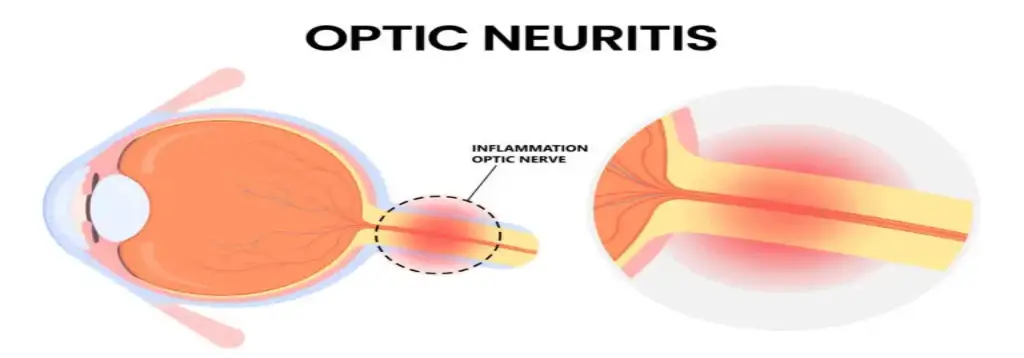
Optic Neuritis: Symptoms, Causes, Treatment Have you suddenly noticed blurred vision in one eye or pain when moving your eyes? Does your vision seem dimmer or colours look faded than usual? Sudden vision loss should never be ignored. It may be a sign of optic neuritis, a condition that needs timely medical attention. What Is Optic Neuritis? Optic neuritis is a condition where the optic nerve becomes inflamed. The optic nerve is the nerve that connects your eye to your brain This inflammation affects how visual signals are transmitted. This can lead to blurred or reduced vision. It is commonly managed under neuro-ophthalmology. Neuro-ophthalmology is a specialised branch of eye care that deals with optic nerve-related vision problems. Optic Neuritis Symptoms Common optic neuritis symptoms usually appear suddenly and may include: Blurred vision in one eye Eye pain, especially while moving the eye Reduced brightness of vision Loss of colour vision Partial vision loss If you’re wondering what is optic neuritis symptoms, these vision changes are often the earliest warning signs. Optic Neuritis Causes There are several optic neuritis causes, including: Autoimmune conditions Multiple sclerosis Viral infections Inflammation affecting the optic nerve Other neurological conditions Understanding optic neuritis symptoms early helps in starting the right treatment without delay. Optic Neuritis Treatment The good news is that optic neuritis treatment can help improve vision often. Treatment often involves medications to reduce inflammation and manage the underlying cause. If you’re asking: What is the treatment for optic neuritis? It usually includes steroid therapy and close monitoring by an experienced specialist. When to See a Doctor You should consult an ophthalmologist in Delhi immediately if you experience: Sudden blurred vision Eye pain with movement Loss of colour or brightness in vision Knowing when to see a doctor can prevent long-term vision problems. Best Doctor / Hospital Managing optic nerve conditions requires specialised care in neuro-ophthalmology. If you’re looking for the best doctor for optic neuritis or the best hospital for optic neuritis, timely evaluation by experienced specialists is important. Mohan Eye Institute offers advanced optic nerve evaluation and optic neuritis treatment in Delhi with modern diagnostic support. FAQs What is optic neuritis? Optic neuritis is a condition where the optic nerve – the nerve that connects your eye to your brain, becomes inflamed. This inflammation can affect how clearly you see and may cause pain, especially when moving the eye. What are the symptoms of optic neuritis? Common optic neuritis symptoms include sudden blurred vision, eye pain while moving eyes, loss of colour vision, reduced brightness, and partial vision loss. Is optic neuritis painful? Yes, many people experience eye pain, especially when moving the eye. However, the main concern is vision changes, not just pain. What causes optic neuritis? Optic neuritis causes may include autoimmune conditions, many sclerosis, viral infections and inflammation. Sometimes, the exact cause is not immediately clear. Can optic neuritis lead to permanent vision loss? In many cases, vision improves with treatment. However, delayed diagnosis or severe inflammation may cause lasting vision problems. Early treatment improves recovery. When should I see a doctor for optic neuritis? You should see an eye specialist immediately if you experience sudden vision loss, blurred vision in one eye, or eye pain with movement. Optic neuritis requires prompt evaluation. Which doctor treats optic neuritis? Optic neuritis is treated by an ophthalmologist. This is often a retina specialist or neuro-ophthalmologist, specialising in optic nerve conditions. Which is the best hospital for optic neuritis treatment in Delhi? The best hospital is one with experienced retina and neuro-ophthalmology specialists, advanced diagnostic tools like OCT and visual field testing, and emergency eye care services. Centres like Mohan Eye Institute provide specialised
Retinal Detachment: Symptoms, Causes, Treatment & Surgery
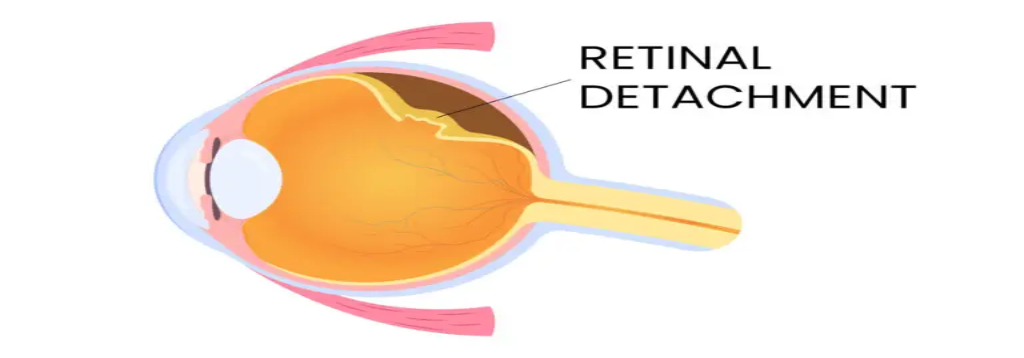
Retinal Detachment: Symptoms, Causes, Treatment & Surgery Have you experienced sudden flashes of light or small spots floating in your vision? Do you feel as if a dark shadow or curtain is moving across your vision? Although it may seem like no big deal at the time, these could be symptoms of retinal detachment. These conditions should be addressed without delay. But first, let’s understand retinal detachment. What is Retinal Detachment? Retinal detachment is a condition in which the retina becomes separated from its normal position. The retina is the light-sensitive tissue at the back of your eye. As a result, your eye is no longer able to send normal visual signals to the brain. This can result in blurred, distorted, or partially obscured vision. This is a condition that needs to be treated to avoid permanent vision loss. Retinal Detachment Symptoms Symptoms are usually painless but noticeable. Be on the lookout for: Sudden flashes of light An increase in floaters Blurred or distorted vision A shadow or curtain-like effect across vision If you are experiencing any of these symptoms, you should have an eye exam right away. What Causes Retinal Detachment? The common causes of retinal detachment are: Aging changes in the eye Severe near sightedness Eye injury Previous eye surgery Diabetes-related eye problems Types of Retinal Detachment The three common types of retinal detachment are: Rhegmatogenous: Tear in the retina Tractional: Common in people with diabetes Exudative: Fluid accumulation under the retina Retinal Detachment Treatment In some initial stages, laser treatment can be used to close the retinal tears. Yet, in most cases, retinal detachment treatment by surgery is required to reposition the retina. Retinal Detachment Surgery Retinal detachment surgery can include: Laser surgery Pneumatic retinopexy Scleral buckle Vitrectomy The course of treatment will depend on the type and extent of the retinal detachment. Why Early Treatment Matters Retinal detachment is a medical emergency that requires urgent care. Procrastination in the treatment of retinal detachment can cause permanent blindness. Early diagnosis in a specialized retinal detachment hospital increases the chances of success. Best Hospital for Retinal Detachment Surgery in Delhi, India If you are searching for a reliable retinal detachment hospital, early diagnosis and proper treatment are essential. Mohan Eye Institute provides the best retinal detachment treatment in Delhi with qualified retinal specialists and state-of-the-art surgical facilities. FAQs What is retinal detachment? Retinal detachment is a serious eye problem where the retina, the thin layer at the back of your eye that helps you see, moves away from its normal place. When this happens, the eye cannot send clear signals to the brain, and your vision may become blurry, dark, or blocked in some areas. It needs immediate medical treatment to prevent permanent vision loss. What are the early symptoms of retinal detachment? Sudden flashes of light, new floaters, blurred vision, or a shadow over vision may be early signs. Immediate eye evaluation is important. Is retinal detachment painful? Retinal detachment is usually painless, which is why many people delay seeking treatment. Can retinal detachment be treated without surgery? In very early cases, laser treatment may help. However, most cases require retinal detachment surgery. How successful is retinal detachment surgery? Success rates are high when treated early. Vision recovery depends on how quickly treatment is done. How urgent is retinal detachment? Retinal detachment is a medical emergency. Delayed treatment can lead to permanent vision loss. Which is the best hospital for retinal detachment surgery in Delhi? The best hospital is one with experienced retina specialists, advanced surgical technology, and emergency retinal services. Mohan Eye Institute offers specialised retinal detachment treatment in Delhi.
Blurry Vision: Causes, Symptoms & When to Visit an Eye Doctor
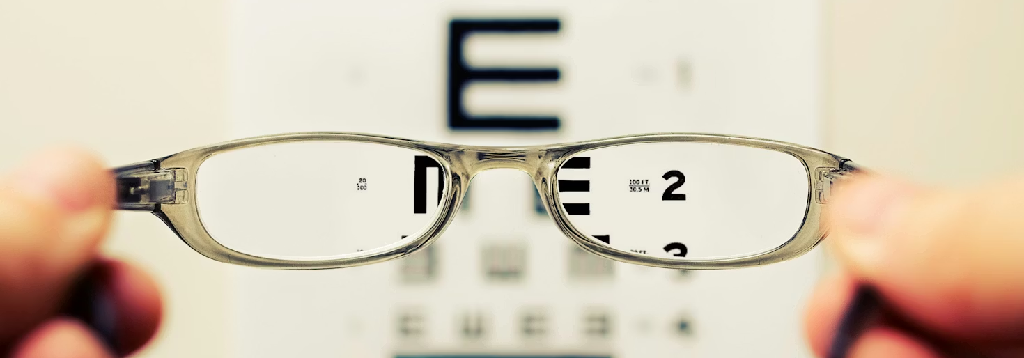
Blurry Vision: Causes, Symptoms & When to Visit an Eye Doctor Blurry vision is something almost everyone experiences at some point. Sometimes it happens after long screen use.Sometimes it feels worse in the morning or at night.And sometimes, even after wearing glasses, vision does not feel clear. In many cases, blurry vision is temporary.But in some cases, it can be a sign that your eyes need medical attention. This guide explains why blurry vision happens, what symptoms to watch for, and when you should visit an eye doctor. What is blurry vision? Blurry vision means objects do not appear sharp or clear. You may notice: Difficulty reading text Trouble recognising faces from a distance Hazy or foggy vision Vision that goes in and out of focus Blurry vision can affect one eye or both eyes, and it can be temporary or long-lasting. What are the common causes of blurry vision? Blurry vision can happen for many reasons. Some are minor, while others need treatment. 1. Eye strain or tired eyes Long screen use, reading for hours, or poor lighting can strain the eyes and cause temporary blur. 2. Refractive errors (glasses power issues) Near-sightedness, far-sightedness, or astigmatism can make vision unclear if glasses are outdated or incorrect. 3. Dry eyes When eyes do not produce enough tears, vision may feel blurry, especially after screen use. 4. Cataracts Cataracts cause clouding of the eye lens, leading to gradual and persistent blurry vision. 5. Diabetes-related eye problems High blood sugar can affect vision and cause sudden or fluctuating blur. 6. Eye infections or inflammation Redness, pain, or discharge along with blurry vision may indicate an infection. 7. Age-related vision changes As we grow older, focusing on near or distant objects may become harder. What symptoms often come with blurry vision? Blurry vision may appear along with other symptoms such as: Headaches Eye strain or tired eyes Sensitivity to light Difficulty seeing at night Burning or watering of eyes Frequent change in glasses Noticing these symptoms together can help identify the cause. Is blurry vision always serious? No.Blurry vision is not always serious, especially if it improves with rest, blinking, or glasses. However, blurry vision should not be ignored if it: Persists for many days Gets worse over time Affects daily activities Happens suddenly without a clear reason Can blurry vision be a sign of an eye condition? Yes.Blurry vision can be an early sign of conditions like: Cataracts Glaucoma Dry eye syndrome Retinal problems This is why regular eye check-ups are important, even if the blur feels mild. When should you visit an eye doctor for blurry vision? You should visit an eye doctor if: Blurry vision does not improve with rest Glasses no longer help Vision problems affect driving or reading You experience headaches or eye pain Blurry vision appears suddenly An eye examination helps identify the exact cause and prevent further vision problems. How is blurry vision diagnosed? An eye doctor may: Check vision clarity Examine eye pressure Look at the lens and retina Review medical history Most causes of blurry vision can be detected through a simple eye check-up. Where should you go for an eye check-up? For ongoing or unexplained blurry vision, it is best to consult a trusted eye hospital with experienced specialists. In Delhi, Mohan Eye Institute provides comprehensive eye examinations and treatment for various vision-related concerns, helping patients understand and manage their eye health properly. FAQs: Blurry Vision What is blurry vision? Blurry vision is when your eyesight becomes unclear or out of focus, making things look hazy instead of sharp. It can be temporary or ongoing, depending on the cause. What are the common blurry vision causes?Blurry vision can be caused by eye strain, dry eyes, refractive errors (like power changes), infections, cataracts, or other eye conditions. Sudden blur should always be checked by a doctor. What are blurry vision symptoms?Symptoms include hazy or unclear sight, difficulty focusing, eye strain, headaches, double vision, or seeing glare and halos around lights. What is the reason for blurry vision in one eye?Blur in one eye may be due to power changes, dry eye, infection, cataract, retinal problems, or nerve-related issues. Sudden vision loss in one eye needs urgent medical attention. What is blurry vision treatment?Treatment depends on the cause and may include glasses, eye drops, medication, or surgery such as cataract removal. An eye examination helps decide the right option. Which is the best hospital for blurry eye treatment in Delhi?Choose a eye hospital with experienced eye specialists, advanced diagnostic equipment, and comprehensive treatment options for accurate diagnosis and safe care. Is blurry vision normal after screen use? Yes, temporary blur can occur after long screen use, but it should improve with rest. Can blurry vision cause headaches? Yes. Eye strain due to unclear vision can lead to frequent headaches. Is blurry vision a sign of cataract? Yes, cataracts commonly cause gradual and persistent blurry vision. Can dry eyes cause blurry vision? Yes. Dry eyes can make vision fluctuate, especially during screen use. Does blurry vision always need treatment? Not always. Some causes are temporary, but persistent blur should be checked. Blurry vision should never be ignored for too long Blurry vision may seem like a small problem at first.But clear vision is important for comfort, safety, and daily life. If vision does not feel normal, an eye check-up can help find the cause early and protect long-term eye health.
Early Signs of Cataract You Should Not Ignore
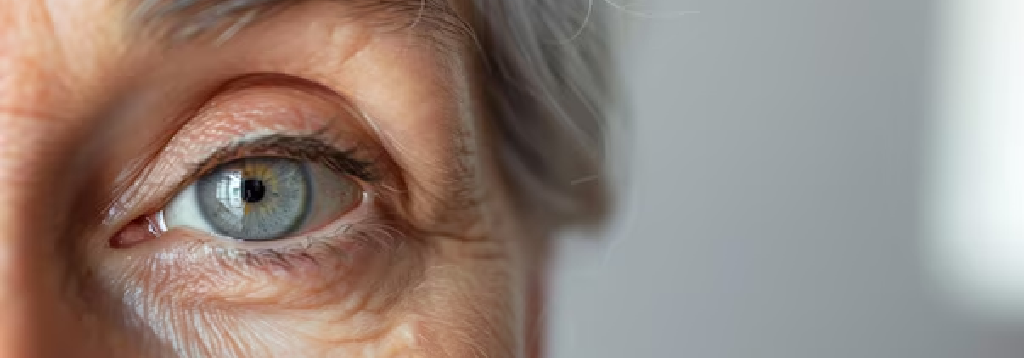
Early Signs of Cataract You Should Not Ignore Cataracts usually do not appear all of a sudden.They develop slowly, over time. At first, the changes in vision are small and easy to ignore. You may notice that streetlights look too bright while driving at night.Reading subtitles on TV feels a little difficult.Even after changing your glasses, vision still does not feel clear or sharp. Many people think this is just because of age, tired eyes, or too much screen use. But these can be early signs of cataracts.If ignored for too long, they can slowly affect your daily life. What is a cataract? A cataract is a condition where the natural lens of the eye becomes cloudy. The lens of your eye is normally clear. It helps focus light so you can see properly.Over time, this lens can become cloudy, making vision look blurred or dim. This cloudiness happens because some natural changes occur inside the lens as we grow older. Because cataracts develop slowly, many people do not notice them in the early stage. Cataracts are most commonly related to ageing, but they can also develop due to: Diabetes Long-term use of certain medicines Eye injury Too much exposure to sunlight What are the early signs of cataracts? Early cataract symptoms usually start gently and get worse slowly. You may notice: Slight blurred or cloudy vision Difficulty seeing clearly at night Bright lights causing discomfort or glare Frequent change in spectacle power Colours looking dull or faded Since these changes happen slowly, many people adjust without realising something is wrong. What are the common symptoms of cataracts? As cataracts progress, symptoms become more noticeable. Common symptoms include: Foggy or unclear vision Poor night vision Sensitivity to bright light Halos around lights Trouble reading or driving Glasses not improving vision If these symptoms continue, it is best to get an eye check-up. Can a cataract cause headaches or eye strain? Yes, cataracts can cause eye strain and headaches. When vision is not clear, the eyes have to work harder to focus.This extra effort can lead to: Tired eyes Headaches around the forehead Discomfort while reading or using screens Many people treat headaches without knowing that poor vision due to cataracts may be the real reason. What are the 3 main types of cataracts? There are different types of cataracts. Doctors usually talk about three main types. 1. Nuclear cataract This is the most common type and is related to aging.It develops in the centre of the lens and slowly causes blurred or yellowish vision. 2. Cortical cataract This type starts at the outer edge of the lens and moves inward.It often causes glare and trouble with contrast. 3. Posterior subcapsular cataract This affects the back part of the lens.It can cause: Difficulty in reading Problems with bright lights Faster vision changes than other types When is the right time for cataract surgery? Cataract surgery is not decided by age.It is decided by how much cataracts affect your daily life. Surgery may be needed when: Vision makes daily work difficult Driving becomes unsafe Reading or screen use feels uncomfortable Glasses no longer help Modern cataract surgery is safe, quick, and gives very good results when done at the right time. Waiting too long can reduce comfort and quality of life. What is the cost of cataract surgery? The cost of cataract surgery depends on several factors, such as: Type of lens used Surgical method Technology involved Hospital facilities Whether one or both eyes are treated In Delhi, the cost can range from basic procedures to advanced options with premium lenses. The exact cost is usually decided after an eye examination, once the doctor understands your condition and treatment needs. Cataract surgery is a one-time and permanent solution, so quality of care is more important than choosing only based on cost. When should you visit an eye hospital for cataract treatment? You should see an eye specialist if you notice: Ongoing blurry vision Trouble with night driving Sensitivity to bright lights Frequent headaches linked to vision An early eye check-up helps prevent unnecessary discomfort and vision problems. Which hospital is best for cataract surgery in Delhi? The best hospital for cataract surgery is one that provides: Experienced eye doctors Proper eye evaluation before surgery Modern surgical equipment Clear guidance on lens options Good care after surgery Patients should look for eye hospitals with strong experience and patient trust, not just advertisements. In Delhi, Mohan Eye Institute is known for its dedicated eye care services, experienced specialists, and patient-focused approach to cataract treatment. Cataract FAQs Patients Commonly Ask How do I know if my blurry vision is cataract or eye strain? Eye strain usually improves with rest. Cataract-related blur stays and slowly worsens. Is blurry vision in one eye an early sign of cataracts? Yes. Cataracts often start in one eye and later affect the other. Can cataracts go away on their own? No. Cataracts do not clear without treatment. Is cataract surgery painful? No. It is usually painless and done under local anaesthesia. Can cataracts come back after surgery? No. Once removed, cataracts do not return. Can cataracts develop before age 50? Yes. Health conditions and lifestyle factors can cause early cataracts. Does screen use cause cataracts? No. Screens do not cause cataracts, but they can make symptoms feel worse. Ignoring early cataract signs can quietly affect your quality of life Cataracts do not cause sudden pain.They slowly reduce how clearly and comfortably you see. If you or a loved one notice early changes in vision, it is better to get an eye check-up early.Timely care can help protect vision and improve daily comfort.
How Eye Flu Spreads and How to Avoid It
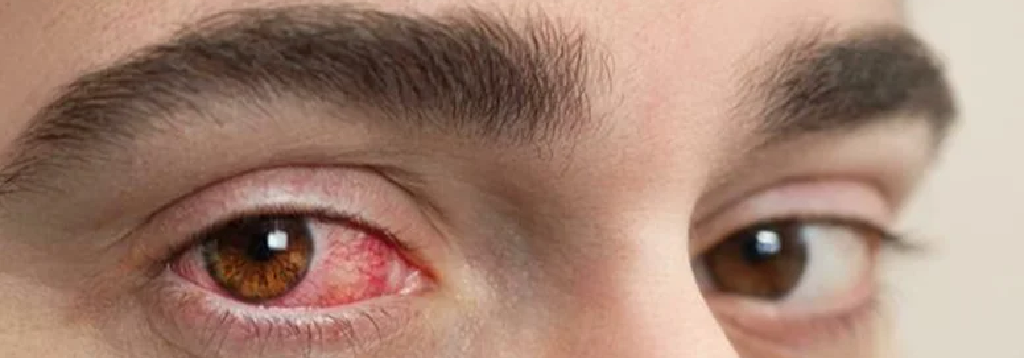
How Eye Flu Spreads and How to Avoid It Have you ever woken up with red, watery, or sticky eyes and wondered what caused it?Maybe it happened during the rainy season. Or maybe in winter when your eyes felt dry and tired. Eye flu is very common, and most people experience it at least once in their life. The good news is that it is usually mild and easy to manage when you understand how eye flu spreads and how to take care of your eyes. Let’s look at what eye flu is, how eye flu spreads, and how you can protect yourself and your family from eye infections. Why Eye Flu Is More Common During the Rainy Season Why Eye Flu Also Increases in Winter How to Protect Your Eyes in Any Season What Is Eye Flu? Eye flu, also called conjunctivitis, is an infection of the surface of the eye. It often causes redness, watering, itching, and a gritty or sticky feeling. It may start in one eye and move to the other if not handled carefully. Most people feel better within a few days to a week with simple care. Why Does Eye Flu Happen? Eye flu usually starts when germs reach your eyes. This can happen easily because we touch our face and eyes many times a day without noticing. It becomes more common during certain seasons: During the rainy season Warm and humid weather helps germs survive longer. People also come in contact with more shared surfaces, which makes it easier for eye infections to spread. During winter Cold weather and indoor heating make the air dry, which can irritate the eyes. At the same time, colds and flu are more common, and the same viruses can also affect the eyes. In both seasons, eyes become more sensitive, which makes it easier for eye flu to begin. How Eye Flu Spreads Eye flu spreads mainly through touch. It can pass from one person to another when: You touch your eyes after touching shared objects like phones, door handles, or tables You share towels, pillows, handkerchiefs, or eye makeup You rub your eyes after shaking hands or being in crowded places That’s why eye flu often spreads in homes, schools, offices, and during travel. Common Symptoms of Eye Flu You may notice: Red or pink eyes Watery or sticky discharge Itching or burning A feeling of something in the eye Mild swelling of the eyelids Sensitivity to light These eye flu symptoms usually start gently and improve with proper care. How to Avoid Eye Flu Simple habits can go a long way in protecting your eyes: Wash your hands often Avoid touching or rubbing your eyes Use your own towel, pillow, and face cloth Do not share makeup or eye drops Keep your eyes clean and well rested If someone at home has eye flu, use separate towels These small steps help stop eye flu from spreading. How to Care for Your Eyes If You Have Eye Flu If your eyes feel irritated: Keep them clean using soft cotton and clean water Avoid contact lenses Reduce screen time Follow any drops or advice given by your doctor Most people feel comfortable again in a few days. When Should You See a Doctor? It’s a good idea to visit an eye doctor if: Redness or discomfort increases Vision becomes blurry There is a lot of discharge Symptoms do not improve after a few days A child or elderly person has eye flu A simple eye check can help you recover smoothly and avoid problems. A Simple Step Toward Healthy Eyes Eye flu is common, especially during the rainy and winter seasons, but it doesn’t have to be uncomfortable or worrying. With good hygiene, gentle care, and the right guidance, your eyes can stay healthy. At Mohan Eye Institute, our eye specialists use advanced equipment and tests to understand your eye problems and guide you with clear, honest advice.hi.
10 Early Signs of Eye Problems You Should Never Ignore

10 Early Signs of Eye Problems You Should Never Ignore Have you ever noticed that your eyes don’t feel quite the same as they used to? Maybe reading small text feels harder. Maybe your eyes get tired faster than before. Or maybe things just don’t look as clear, but you can’t explain why. Most of us are very busy, so we often ignore these small changes. But our eyes are always working for us and when something feels different, it’s simply their way of asking for a little care. Here are 10 early signs of eye problems you should not ignore Your vision feels less clear If letters on your phone or signs on the road don’t look as sharp, it means your eyes need a little help. Vision can change slowly over time, and an eye check can keep things clear and comfortable. Your eyes feel tired after screen use Spending time on phones, laptops, or tablets can make your eyes feel heavy or strained. This is very common today and is often easy to manage with the right guidance. You notice tiny dots or light flashes Many people see small floating spots or quick flashes of light now and then. These are usually harmless, but a simple eye check can give you peace of mind. Your eyes feel dry or irritated Dryness, itching, or burning can happen because of air-conditioning, screen use, or natural changes in tear production. With the right care, eyes usually feel much better again. One eye feels slightly weaker You may notice that one eye works harder than the other. This can often be corrected once it is identified. Your glasses power changes often As your eyes change, so can your glasses. Regular eye tests help keep your vision clear and balanced. Night vision feels uncomfortable If bright lights seem more glaring or it’s harder to see at night, an eye check can help find the cause and improve your comfort. Your eyes look red more often Red or irritated eyes can come from dryness, allergies, or mild infections. Most of these clear up easily with proper care. You live with diabetes Even when vision feels normal, diabetes can affect the eyes over time. Regular eye checks help keep your vision healthy. Your eyes just feel tired most days Eyes that feel heavy or strained are often just asking for a little attention. A simple routine eye check up can make a big difference. Finding eye problems early makes them easier to treat. Regular eye checks help keep your eyes healthy. At Mohan Eye Institute, our eye doctors use simple, modern tests to understand your eyes and guide you with clear, honest advice. Book your eye check up today and give your eyes the care they deserve.