
Glaucoma Screening & Treatment in Delhi: What Patients Over 40 Need to Know
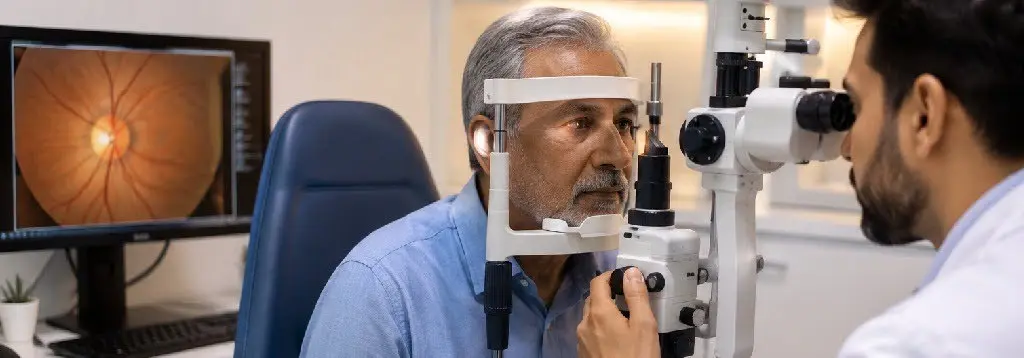
Quick answer: If you are over 40, especially with a family history of glaucoma, diabetes, high myopia or previous eye-pressure concerns. Ask for a glaucoma screening during your eye examination. The most common form of glaucoma can progress without obvious early symptoms, and vision already lost from glaucoma generally cannot be restored. Early detection allows treatment to focus on protecting the vision you still have. If glaucoma is diagnosed, treatment does not automatically mean surgery. Depending on the type, severity and progression, treatment may involve eye drops, laser or surgery. What Is Glaucoma of the Eye and Why Should I Get Screened? Glaucoma is a group of eye diseases that damage the optic nerve, which carries visual information from the eye to the brain. Eye pressure is an important risk factor, but glaucoma cannot be diagnosed from an eye-pressure reading alone. This is why waiting for early symptoms of glaucoma is unreliable. Common open-angle glaucoma may cause little or no noticeable change until significant peripheral vision has been affected. Don’t wait until your eyesight feels worse to ask about glaucoma. What Is the Right Age for Glaucoma Screening? There is no single glaucoma screening age appropriate for everyone. Risk increases with age, so adults around 40 and above should discuss their individual screening needs with an ophthalmologist, particularly when other risk factors are present. Should I Get a Glaucoma Test? Consider discussing screening sooner or more frequently if you have: Your ophthalmologist should determine the appropriate screening interval from your individual findings rather than applying the same schedule to every patient. What Does a Glaucoma Screening Test Involve? A proper glaucoma test usually involves more than checking eye pressure. Depending on your findings, assessment may include: Test What it helps assess Eye-pressure measurement Pressure inside the eye Optic-nerve examination Signs of glaucoma-related damage OCT Structure of the optic nerve/retinal nerve-fibre layer Visual-field test Areas of vision that may have been affected Gonioscopy Whether the drainage angle is open or narrow/closed Corneal thickness Helps interpret eye-pressure measurements Not every person requires every test at every visit. If you are comparing glaucoma screening cost or glaucoma test cost in Delhi, first ask exactly which investigations are included. Open-Angle Glaucoma vs Closed-Angle Glaucoma: Why Does It Matter? Open-angle and angle-closure glaucoma can behave very differently. Open-angle glaucoma commonly progresses gradually and may remain symptom-free for a long time. Treatment focuses on controlling eye pressure and reducing the risk of further optic-nerve damage. Angle-closure can sometimes develop suddenly. Severe eye pain, a red eye, sudden blurred vision, halos around lights, headache, nausea or vomiting with eye symptoms requires urgent eye assessment. This distinction matters because open-angle glaucoma treatment and angle-closure glaucoma treatment are not necessarily the same. What Is the Best Glaucoma Treatment? There is no single best glaucoma treatment for every patient. The goal is usually to lower eye pressure enough to reduce the risk of further optic-nerve damage. Situation Treatment that may be considered Suitable early/controlled glaucoma Eye drops and monitoring Selected glaucoma patients Laser treatment Pressure not adequately controlled or disease progressing Glaucoma surgery may be considered More complex/advanced disease Individualised specialist treatment Your glaucoma specialist should explain your target eye pressure, evidence of damage, whether the condition is progressing and why a particular treatment is recommended. Do I Need Glaucoma Laser Surgery or Surgery? Not everyone with glaucoma needs surgery. Laser procedures may be appropriate for selected patients, while conventional or minimally invasive glaucoma procedures may be considered when clinically indicated. Before agreeing to glaucoma laser treatment or glaucoma surgery, ask: “Why is my current treatment not sufficient, what pressure are we trying to achieve, and what are the benefits, risks and alternatives?” Also request a written estimate if comparing glaucoma surgery costs in Delhi, because costs vary with the procedure, hospital, investigations and individual clinical requirements. How Do I Choose a Glaucoma Specialist or Eye Hospital in Delhi? If you are searching for the best eye hospital for glaucoma treatment in Delhi, don’t decide from rankings, price or claims alone. Prioritise a hospital that can provide: A trusted glaucoma specialist should be able to tell you not just that you have glaucoma, but what type you have, how much damage exists, whether it is progressing and what treatment objective is being pursued. Patients considering Mohan Eye Institute can request a glaucoma evaluation to understand their diagnosis, eye-pressure targets, treatment options and required follow-up before making a treatment decision. Travelling to Delhi for Glaucoma Treatment? Patients travelling from other parts of North India should ask whether the consultation, OCT, visual-field test and other required investigations can be coordinated during the same visit. If laser or glaucoma surgery is recommended, also clarify how long you need to remain in Delhi, when the first post-treatment review is required and whether routine monitoring can later be coordinated closer to home. Glaucoma is usually a long-term management condition, so choose a treatment plan you can realistically follow, not just a hospital you can visit once. 5 Questions to Ask Before Starting Glaucoma Treatment Frequently Asked Questions What are the early signs and symptoms of glaucoma? The most common open-angle glaucoma may have no obvious early symptoms. This is why risk-based eye examinations and glaucoma screening matter. Can glaucoma be cured? Glaucoma-related optic-nerve damage generally cannot be reversed, but treatment can help reduce the risk of further damage. Ongoing monitoring is usually required. Is an eye-pressure test enough to detect glaucoma? No. Diagnosis may also require optic-nerve assessment, OCT, visual-field testing, gonioscopy and other examinations depending on the patient. How much does a glaucoma test cost in Delhi? Glaucoma test cost varies according to which investigations are required. Ask whether the quoted price includes consultation, eye-pressure measurement, OCT, visual-field testing and other recommended tests. When should I see a glaucoma specialist? See an ophthalmologist if you have glaucoma risk factors, raised eye pressure or suspicious examination findings. Sudden severe eye pain, redness and vision changes, especially with headache, nausea or vomiting need urgent eye
Dry Eye Syndrome in Delhi: Why Pollution & Climate Make It Worse and How to Manage It
Quick answer: Burning, gritty, watery or intermittently blurry eyes should not always be dismissed as screen strain or seasonal irritation. Dry eye syndrome (dry eye disease) occurs when the tear film does not adequately protect and lubricate the eye. In Delhi, pollution, dust, dry weather, prolonged screen use and AC/heater exposure can make symptoms worse. If symptoms are mild and occasional, self-care may help. But if they repeatedly return, affect vision or require frequent eye drops, consider an eye examination to identify the cause before continuing self-treatment. Are These Dry Eye Syndrome Symptoms or Just Screen Strain? Common dry eye syndrome symptoms include burning, grittiness, watering, redness, eye fatigue and fluctuating vision. However, allergy and screen strain can feel similar. Use this as a practical starting point: What you notice What it may suggest What to do Burning or gritty sensation Common with dry eye Start basic self-care; get checked if persistent Blurry vision that improves after blinking Tear-film instability may contribute Consider a dry-eye evaluation if recurring Significant itching Allergy may be contributing Get evaluated if persistent Symptoms mainly after screens Reduced blinking may worsen dryness Improve screen habits Frequent redness despite using drops Cause needs assessment See an ophthalmologist Significant pain, light sensitivity or sudden vision change May be another eye problem Seek prompt eye care Can Dry Eyes Cause Blurriness? Yes, dry eyes can cause blurriness or fluctuating vision. When the tear film becomes unstable, vision may temporarily become unclear and sometimes improve after blinking. However, persistent, significant or sudden blurry vision should not automatically be blamed on dry eyes. Why Can Dry Eye Get Worse in Delhi? Delhi can expose the eyes to several aggravating factors at the same time. Air pollution and particulate matter can irritate the ocular surface. Dust and wind may increase discomfort, while dry winter conditions can worsen tear evaporation. Indoors, prolonged exposure to air-conditioning and heaters can further reduce humidity. Long hours on phones and computers can add another trigger because people tend to blink less during concentrated screen use. Pollution can aggravate dry eyes, but recurring symptoms should not simply be blamed on Delhi’s AQI. Persistent problems may have an underlying cause that needs assessment. When Is Dry Eye Syndrome Self-Care Enough? For mild, occasional symptoms, dry eye syndrome self-care may include: If you are searching for how to get rid of dry eyes because symptoms keep returning, self-care alone may not solve the underlying problem. When Should I See an Eye Doctor? Consider an eye examination when: Persistent dry eye should be evaluated rather than managed indefinitely by repeatedly changing over-the-counter eye drops. Why Aren’t My Dry-Eye Drops Working? Because dry eye is not the same condition in every patient. Some people do not produce enough tears. Others produce tears that evaporate too quickly. Problems with the meibomian glands, which provide the oily layer of the tear film, can contribute to excessive evaporation. Eyelid problems, inflammation and other ocular-surface conditions may also play a role. A dry-eye evaluation may therefore assess the tear film, cornea, eyelids and meibomian glands. Depending on your symptoms and examination findings, the ophthalmologist may recommend additional tests of tear production, stability or ocular-surface health. This helps answer the more important question: what is causing your dry eye? Which Dry Eye Treatment Is Right? There is no single dry eye treatment that is best for everyone. Dry eye syndrome treatment should match the underlying cause and severity. Your situation Treatment approach that may be discussed Mild or occasional dryness Environmental changes + appropriate lubricating drops Evaporative dry eye Eyelid/meibomian-gland management Persistent ocular-surface inflammation Prescription treatment may be considered Inadequate tear retention Punctal plugs may be considered in selected patients Chronic or complex dry eye Specialist-directed combination treatment and monitoring The right treatment is therefore not necessarily the strongest eye drop or most advanced procedure, it is the option that addresses the cause identified during your eye examination. What Is the Latest Treatment for Dry Eye Syndrome? The latest treatment for dry eye syndrome is not automatically the best treatment for every patient. Newer approaches increasingly focus on the underlying problem, such as tear deficiency, inflammation or meibomian-gland dysfunction. Depending on the diagnosis, an ophthalmologist may recommend prescription therapies or clinic-based treatments in addition to conventional lubricating drops. Instead of asking only “What is the newest treatment?”, ask: “What type of dry eye do I have, and which treatment targets its cause?” Is Surgery for Dry Eye Syndrome Necessary? Most patients do not need conventional surgery for dry eye syndrome. Selected patients may be considered for punctal plugs or other procedures depending on the underlying cause and severity. If a procedure is recommended, ask what examination findings support it, what benefit is expected and whether simpler treatment options are appropriate first. How Do I Choose an Eye Specialist or Eye Hospital for Dry Eyes in Delhi? If you are looking for an eye specialist for dry eyes or dry eye treatment in Delhi, choose based on the ability to diagnose and manage the underlying problem, not simply consultation price. When comparing an eye doctor, clinic or hospital, look for: Patients searching for the best eye hospital for dry eyes in Delhi should therefore compare clinical expertise, diagnostic capabilities, treatment options and continuity of care rather than relying only on rankings or promotional claims. Patients considering Mohan Eye Institute in Delhi can request an eye evaluation to determine whether symptoms are caused by dry eye syndrome, allergy, meibomian-gland problems or another eye condition before deciding on treatment. Travelling to Delhi for Chronic Dry Eye Treatment? If you are coming from another part of North India for dry eye treatment in Delhi, ask the hospital whether the consultation and required dry-eye investigations can be completed during the same visit. Also ask: This is important because chronic dry eye often requires ongoing management rather than a one-time treatment. Considering LASIK? Get Dry Eye Evaluated First If you already experience burning, grittiness, fluctuating vision or frequent dependence on lubricating
Diabetic Retinopathy: Symptoms, Treatment & When to See a Retina Specialist in Delhi
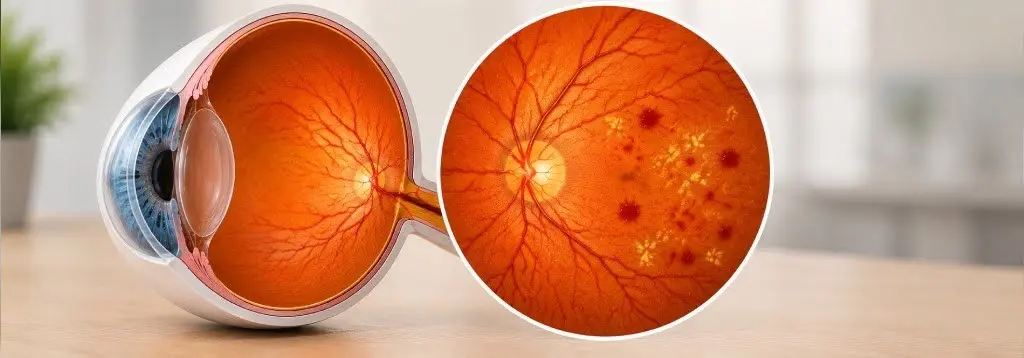
Quick answer: Diabetic retinopathy can damage the retina without causing noticeable symptoms in its early stages. If you have diabetes, do not wait for your eyesight to worsen before getting a retinal examination. Blurred vision, new floaters or difficulty seeing at night need prompt assessment, while sudden vision loss, a sudden increase in flashes or floaters, or a curtain-like shadow across your vision requires urgent eye care. Early diagnosis matters because treatment can often help slow or prevent further vision loss, but it may not restore vision that has already been permanently damaged. I Have Diabetes but My Vision Is Fine. Do I Still Need a Retina Check? Yes. Good vision does not necessarily mean your retina is healthy. Diabetes can damage the small blood vessels supplying the retina. These vessels may leak fluid or blood, close off, or trigger the growth of abnormal new vessels. This is known as diabetic retinopathy (डायबिटीज की वजह से आंख के पर्दे में खराबी) The condition can progress before you notice a significant change in eyesight, which is why retinal screening is important even when you can read and drive normally. If you have diabetes and have not had a recent dilated retinal examination, ask an ophthalmologist when your next screening should be based on your diabetes type, duration, pregnancy status, previous retinal findings and overall health. Diabetic Retinopathy Symptoms: What Should You Watch For? Possible symptoms include: These symptoms are not specific to diabetic retinopathy, so an eye examination is needed to identify the actual cause. When Is It an Eye Emergency? Seek urgent/same-day ophthalmic assessment if you experience: These symptoms can occur with serious retinal or vitreous problems and should not be monitored at home while waiting to see whether they improve. When Should I See a Retina Specialist in Delhi? Use this as a practical guide: Your situation Recommended next step Diabetes but no eye symptoms Arrange routine diabetic retinal screening as advised Mild new blur or changes in vision Book an ophthalmology/retina evaluation promptly Known diabetic retinopathy Keep the monitoring schedule advised by your retina specialist New floaters or flashes Seek prompt assessment; sudden or marked changes need urgent care Sudden vision loss or curtain-like shadow Seek urgent/same-day eye care If you are looking for a retina specialist in Delhi, prioritise access to comprehensive retinal examination, imaging, treatment facilities and follow-up care rather than choosing only by consultation price. What Tests Are Used to Diagnose Diabetic Retinopathy? A retina evaluation may include a dilated eye examination so the ophthalmologist can inspect the retina. Depending on the findings, additional investigations may include: OCT (Optical Coherence Tomography): Produces detailed cross-sectional images of the retina and can identify swelling or fluid, including diabetic macular edema. Fundus photography: Documents retinal changes and can help monitor progression over time. Fluorescein angiography: In selected patients, dye-based imaging helps the specialist evaluate leaking or abnormal retinal blood vessels. Not every patient requires every test. The investigations should be selected according to the retinal findings. How Is Diabetic Retinopathy Treated? Treatment depends on the stage of retinopathy, whether the macula is affected and the type of retinal changes present. Treatment When it may be considered What it aims to do Monitoring + diabetes control Earlier/stable disease Reduce risk of progression Anti-VEGF eye injections Often used for diabetic macular edema and some advanced retinal changes Reduce leakage/swelling and abnormal vessel activity Laser treatment Selected forms of diabetic retinopathy Treat abnormal/leaking areas or reduce risk from proliferative disease Vitrectomy surgery Certain advanced complications Treat problems such as significant vitreous bleeding or traction affecting the retina Is Laser the Best Treatment for Diabetic Retinopathy? Not for every patient. Diabetic retinopathy laser treatment remains important in selected cases, but injections, monitoring or surgery may be more appropriate depending on the disease pattern. If laser is recommended, ask: “What finding in my retina makes laser the preferred treatment, and what outcome are we trying to achieve?” This is more useful than choosing a treatment simply because it sounds more advanced. Can Diabetic Retinopathy Be Reversed? Treatment can help control retinal disease, reduce complications and protect remaining vision, but established retinal damage may not always be reversible. That makes early detection especially important. Managing blood glucose, blood pressure and other relevant health risks alongside regular eye monitoring is also an important part of protecting vision. Continue diabetes management with your treating physician rather than relying on eye treatment alone. How Do I Choose a Retina Specialist or Eye Hospital in Delhi? Before deciding, ask whether the hospital provides: A centre capable of diagnosing, monitoring and treating different stages of retinal disease can make continuity of care easier. Patients considering Mohan Eye Institute in Delhi can request a retinal evaluation to understand the stage of diabetic eye disease, whether treatment is currently required and what follow-up schedule is appropriate. What Should I Ask at My Retina Consultation? Ask these five questions before leaving: The Most Important Decision If you have diabetes, do not use changes in eyesight as your screening system. Diabetic retinopathy may progress while vision still appears normal. Regular retinal examinations help detect changes earlier, while sudden vision loss, flashes, rapidly increasing floaters or a curtain-like shadow should trigger urgent eye evaluation rather than waiting for a routine appointment. Frequently Asked Questions 1. What is diabetic retinopathy? Diabetic retinopathy is diabetes-related damage to the blood vessels of the retina. It may develop without early symptoms, so regular retinal screening is important even when your vision seems normal. 2. What causes diabetic retinopathy? Long-term high blood glucose can damage the small blood vessels in the retina. Risk may increase with longer duration of diabetes, poor glucose control and high blood pressure. 3. What are the stages of diabetic retinopathy? Diabetic retinopathy progresses from non-proliferative diabetic retinopathy (NPDR) to advanced proliferative diabetic retinopathy (PDR). A retinal examination helps determine the stage and whether monitoring or treatment is needed. 4. What are the early signs of diabetic retinopathy? Early diabetic retinopathy may cause no
Cataract Surgery in Delhi: Types, Lens Options & Costs
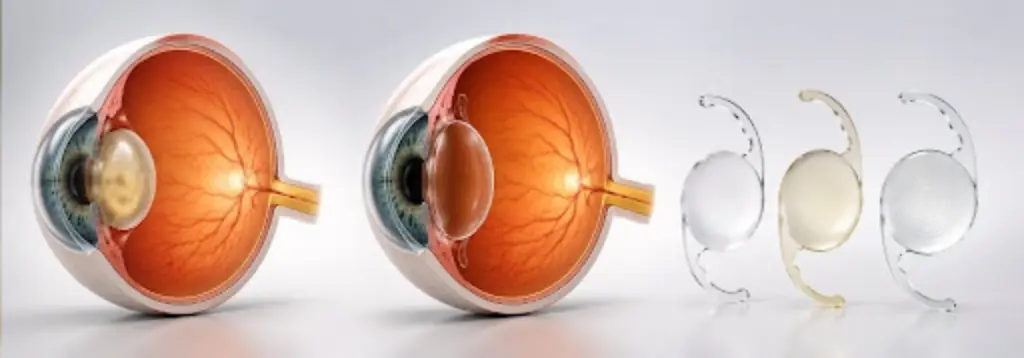
Quick answer: If cataracts are making reading, driving, watching TV or everyday activities difficult, the right next step is a comprehensive eye examination with a cataract surgeon. Choosing cataract surgery in Delhi should not start with the most expensive lens or newest technology. Start with your eye health, lifestyle, astigmatism, expected dependence on glasses and budget. For patients travelling to Delhi from other parts of North India, it is also worth planning pre-surgery tests, surgery and follow-up care before choosing an eye hospital. How Do I Choose a Cataract Hospital in Delhi? Instead of searching only for the “best eye hospital for cataract surgery in Delhi,” compare hospitals on factors that directly affect your treatment. Look for: A good consultation should explain why a particular lens and surgical technique suit your eyes, not simply which option costs more. Patients considering Mohan Eye Institute in Delhi, for example, can use the same checklist during consultation and compare the recommended treatment, IOL, inclusions and follow-up plan before deciding. Phaco vs Femto Cataract Surgery: Which Should You Choose? Phacoemulsification (phaco) uses ultrasound energy to remove the cloudy natural lens through a small incision before an artificial intraocular lens (IOL) is inserted. It is a widely used cataract surgery technique. Femtosecond laser-assisted cataract surgery (FLACS/femto) uses a laser for selected steps of the procedure. It usually costs more. Femto being more technologically advanced does not automatically mean every patient needs it. Ask your surgeon what clinical advantage it offers specifically for your eye before paying an additional premium. Which Cataract Lens Is Best for You? There is no single “best lens for cataract surgery.” The right IOL depends on your eyes and how you want to use your vision. Lens type Usually suited to Glasses afterward Key consideration Monofocal Patients prioritising clear vision at one distance and affordability Usually needed for reading/near work Most straightforward option Toric Patients with significant corneal astigmatism May still need glasses for some tasks Corrects astigmatism Multifocal/Trifocal Patients wanting greater freedom from glasses for near, intermediate and distance tasks Often reduced Halos/glare or contrast issues may occur in some patients EDOF Computer users and people wanting good distance-to-intermediate vision Reading glasses may still be needed Broader range than standard monofocal Your surgeon should also assess the cornea, retina, optic nerve, astigmatism and other eye conditions before recommending a premium lens. Do not choose a ₹1 lakh lens simply because it is described as “premium.” Choose it because its visual trade-offs match your lifestyle and your eyes are suitable for it. Cataract Surgery Cost in Delhi: What Should You Budget? Published Delhi hospital pricing varies considerably. Current advertised prices show basic cataract procedures starting around ₹15,000–₹30,000 per eye, while premium lens and laser-assisted packages can reach ₹1 lakh–₹1.5 lakh or more per eye. Option Indicative Delhi range per eye* Basic/standard cataract surgery ₹15,000–₹30,000+ Phaco/MICS with upgraded monofocal IOL ₹25,000–₹60,000+ Toric/premium astigmatism-correcting options ₹50,000–₹90,000+ Multifocal/Trifocal/EDOF options ₹60,000–₹1,50,000+ Femto/laser-assisted surgery Usually adds a significant technology premium *Indicative market ranges only. Your actual quotation depends on the IOL brand/model, technique, surgeon, diagnostics, eye condition and package inclusions. Before paying, ask for a written all-inclusive estimate covering the lens, surgeon fee, OT charges, investigations, medicines and follow-up visits. Does CGHS or Health Insurance Cover Cataract Surgery? Cataract surgery may be covered under CGHS and many health insurance policies, subject to eligibility, approved package rates, waiting periods, sub-limits and policy conditions. Premium IOLs or technology upgrades may not be fully reimbursed. Before surgery, ask the hospital’s insurance/CGHS desk exactly what is covered and what you must pay yourself. What Happens After Cataract Surgery? Many patients return home the same day, but recovery varies. You will usually receive eye drops and follow-up instructions. During early recovery, avoid rubbing the operated eye, dusty environments and activities your surgeon advises against. Attend scheduled follow-ups even if your vision feels better. Contact your eye-care team promptly if you develop significant pain, sudden worsening of vision, increasing redness, flashes/floaters or unusual discharge. Questions to Ask Before Saying Yes to Surgery Ask your cataract surgeon: What is the best lens for cataract surgery? There is no universally best lens. Monofocal, toric, multifocal/trifocal and EDOF lenses solve different visual needs. The best choice is the lens that matches your eye health, lifestyle, tolerance for visual trade-offs and budget. How much does cataract surgery cost in Delhi? Cataract surgery in Delhi can start around ₹15,000–₹30,000* per eye for basic options, while premium IOL and advanced technology packages may exceed ₹1 lakh per eye. Always get a personalised, itemised quotation after an eye examination. Before You Decide If you are comparing cataract hospitals in Delhi, shortlist two or three based on surgeon expertise, diagnostics, lens choice, transparent pricing and follow-up care. A cataract consultation at Mohan Eye Institute can help establish your diagnosis, lens suitability and expected treatment cost before you make the final decision. The goal is not to buy the most expensive cataract package, it is to choose the safest appropriate treatment and lens for your eyes and everyday visual needs.
15 Eye Care Tips for Healthy Vision: Protect Your Eyes for Life

15 Eye Care Tips for Healthy Vision: Protect Your Eyes for Life Our eyes work continuously from reading and driving to using digital devices and enjoying time with family. Yet, eye health is often overlooked until symptoms such as blurred vision, headaches, eye strain, or dryness begin to interfere with daily life. The good news is that many common eye problems can be prevented or detected early through healthy habits and regular eye examinations. Whether you’re looking for eye care tips in Delhi NCR, want to reduce digital eye strain, or simply wish to maintain healthy vision as you age, these practical recommendations can help protect your eyesight for years to come. Why Eye Care Matters Healthy vision plays an important role in work, education, driving, and overall quality of life. Many eye conditions – including glaucoma, diabetic retinopathy, and age-related macular degeneration may develop without noticeable symptoms in their early stages. Regular eye care helps: The best approach is prevention rather than waiting until symptoms become severe. 15 Expert Eye Care Tips for Healthy Vision 1. Schedule Regular Eye Examinations Many eye diseases have no early warning signs. Comprehensive eye examinations help detect conditions such as glaucoma, cataracts, retinal disorders, and diabetic eye disease before permanent damage occurs. Adults should have regular eye examinations as advised by their ophthalmologist, especially after the age of 40 or if they have diabetes, high blood pressure, or a family history of eye disease. 2. Follow the 20-20-20 Rule Extended screen time can lead to digital eye strain. Every 20 minutes, look at something 20 feet away for 20 seconds to relax your eye muscles and reduce fatigue. 3. Eat a Vision-Friendly Diet A balanced diet supports healthy eyes. Include foods rich in: Good nutrition supports both eye and overall health. 4. Stay Hydrated Insufficient water intake can contribute to dry, irritated eyes. Drinking adequate water throughout the day helps maintain a healthy tear film and improves eye comfort. 5. Protect Your Eyes from UV Rays Ultraviolet (UV) exposure may increase the risk of cataracts and other eye conditions. Whenever you’re outdoors: 6. Wear Protective Eyewear Eye injuries can occur during sports, home repairs, gardening, or industrial work. Use appropriate protective eyewear whenever there is a risk of flying particles, chemicals, or impact injuries. 7. Practice Good Contact Lens Hygiene Improper contact lens care increases the risk of eye infections. Always: 8. Get Enough Sleep Sleep allows your eyes to recover from daily strain. Aim for 7–8 hours of quality sleep each night to reduce eye fatigue, dryness, and discomfort. 9. Control Diabetes and Blood Pressure Diabetes and hypertension can damage the retina without causing early symptoms. Keeping these conditions under control and attending regular eye screenings significantly reduces the risk of vision loss. 10. Avoid Smoking Smoking increases the risk of: Quitting smoking benefits both your eyes and your overall health. 11. Don’t Ignore Vision Changes Seek medical attention if you notice: Prompt evaluation can help prevent permanent damage. 12. Keep Your Eyes Comfortable While Working If you spend long hours at a computer: These simple adjustments can reduce digital eye strain. 13. Avoid Rubbing Your Eyes Frequent eye rubbing may worsen allergies, increase irritation, and, in some cases, contribute to corneal problems such as keratoconus in susceptible individuals. If your eyes are itchy or irritated, consult an eye specialist rather than rubbing them repeatedly. 14. Be Cautious with Eye Drops Not all eye drops are suitable for every condition. Avoid self-medicating with steroid eye drops or using over-the-counter drops for prolonged periods without medical advice. 15. Don’t Skip Routine Eye Check-ups Even if your vision seems normal, regular eye examinations remain essential. Children, adults, seniors, and people with diabetes or a family history of eye disease all benefit from periodic comprehensive eye evaluations. Common Eye Care Myths Debunked Myth: If I can see clearly, I don’t need an eye examination. Fact: Many serious eye diseases develop without affecting vision in their early stages. Myth: Screens permanently damage eyesight. Fact: Screens usually cause temporary eye strain rather than permanent vision damage, but regular breaks are important. Myth: Wearing glasses weakens your eyes. Fact: Glasses correct vision—they do not weaken or strengthen your eyesight. Myth: Eye exercises can cure refractive errors. Fact: Eye exercises may reduce eye strain but cannot eliminate the need for glasses or treat conditions such as myopia or astigmatism. When Should You Visit an Eye Specialist? Book a comprehensive eye examination if you experience: Patients in Delhi, Gurgaon, Noida, Ghaziabad, Faridabad, and across Delhi NCR should not delay an eye examination if they notice persistent vision changes or eye discomfort. Early diagnosis can help prevent avoidable vision loss. Frequently Asked Questions How often should I have an eye examination? Most adults should have regular comprehensive eye examinations, while people with diabetes, glaucoma risk factors, or existing eye conditions may require more frequent follow-ups as advised by their ophthalmologist. What foods are good for eye health? Leafy green vegetables, oily fish, citrus fruits, nuts, seeds, carrots, and colourful fruits and vegetables provide nutrients that support healthy vision. Can screen time damage my eyes? Screens typically cause temporary eye strain rather than permanent damage. Following the 20-20-20 rule and taking regular breaks can help reduce symptoms. Are sunglasses necessary even on cloudy days? Yes. Harmful UV rays can still reach your eyes through clouds, making UV-protective sunglasses beneficial throughout the year. When should I see an eye specialist immediately? Seek urgent medical care if you experience sudden vision loss, severe eye pain, flashes of light, a sudden increase in floaters, or an eye injury. Protect Your Vision for the Future Healthy vision depends on consistent care, healthy lifestyle choices, and timely eye examinations. Simple habits such as eating a balanced diet, protecting your eyes from UV rays, managing screen time, and scheduling regular eye check-ups can go a long way in preventing avoidable vision problems. If you’re looking for expert eye care in Delhi NCR, a comprehensive eye examination with
LASIK vs SMILE vs Contoura Vision vs PRK: Which Laser Eye Surgery Is Best?
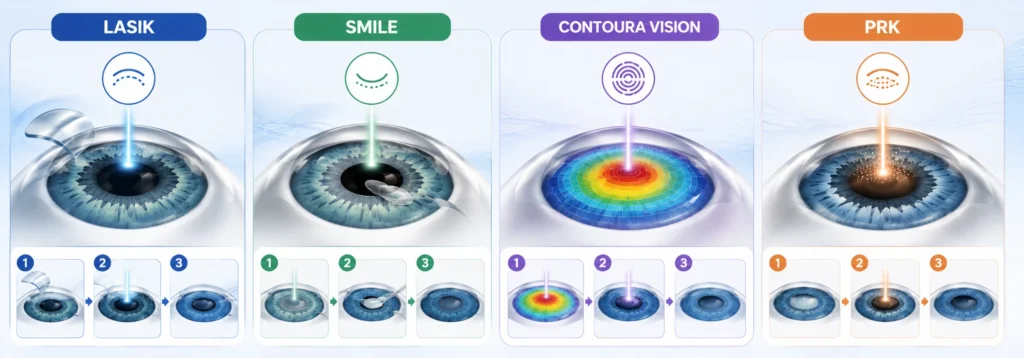
LASIK vs SMILE vs Contoura Vision vs PRK: Which Laser Eye Surgery Is Best? Quick Answer If you’re planning to get rid of glasses or contact lenses, you’ve probably come across LASIK, Contoura Vision, SMILE, and PRK. One of the most common questions patients ask is: “Which laser eye surgery is the best?” The honest answer is that there isn’t one procedure that’s best for everyone. The right choice depends on factors such as: For example: Rather than asking which procedure is “better,” the more important question is: Which procedure is safest and most suitable for my eyes? A comprehensive eye examination is the only way to answer that question confidently. Why This Comparison Matters If you’re considering laser vision correction in Delhi, Gurgaon, Noida, Ghaziabad, Faridabad, or anywhere in Delhi NCR, you’ll quickly notice that different hospitals promote different technologies. Some advertise LASIK, while others highlight Contoura Vision or SMILE as the latest advancement. This can leave patients wondering: The reality is that every procedure has specific indications, advantages, and limitations. The safest option for one person may not be suitable for another. The purpose of this guide is to help you understand the differences between LASIK, Contoura Vision, SMILE, and PRK, so you can have a more informed discussion with your eye surgeon and make a confident treatment decision. Understanding the Difference Between LASIK, Contoura Vision, SMILE and PRK Before comparing these procedures, it’s important to understand that they are not all the same type of surgery. LASIK LASIK (Laser-Assisted In Situ Keratomileusis) is one of the most commonly performed laser vision correction procedures worldwide. A thin corneal flap is created, and an excimer laser reshapes the underlying cornea to correct refractive errors such as myopia, hyperopia, and astigmatism. It has a long track record of safety, rapid visual recovery, and predictable outcomes in suitable candidates. Contoura Vision Contoura Vision is not a separate surgery from LASIK – it is an advanced, topography-guided version of LASIK. Using detailed corneal mapping, Contoura creates a personalised treatment plan based on the unique shape and irregularities of your cornea. For suitable patients, this customised approach may improve visual quality beyond simply correcting spectacle power. SMILE SMILE (Small Incision Lenticule Extraction) is a newer, flap-free laser procedure primarily used to treat myopia and myopic astigmatism. Instead of creating a corneal flap, a femtosecond laser creates a small disc of tissue (called a lenticule) inside the cornea, which is removed through a tiny incision. Because no flap is created, SMILE may be preferred for some patients depending on their eye condition and lifestyle. PRK PRK (Photorefractive Keratectomy) was the first widely adopted laser vision correction procedure and is still an excellent option for selected patients. Unlike LASIK, PRK does not involve creating a flap. Instead, the surface layer of the cornea is gently removed before reshaping the cornea with an excimer laser. Although visual recovery is slower, PRK remains a valuable option for patients with thinner corneas or when flap-based procedures are not recommended. LASIK vs SMILE vs Contoura Vision vs PRK: Side-by-Side Comparison Feature LASIK Contoura Vision SMILE PRK Procedure Type Flap-based laser surgery Topography-guided LASIK Small-incision flap-free procedure Surface laser treatment Best Suited For Common refractive errors Suitable patients seeking customised treatment, especially with astigmatism Myopia and myopic astigmatism Thin corneas or when flap-based surgery is unsuitable Corneal Flap Yes Yes No No Level of Customisation Standard High Moderate Standard Recovery Fast Fast Fast Slower Return to Routine Activities Usually within a few days Usually within a few days Usually within a few days May take longer Suitable for Thin Corneas Usually not Usually not Depends on evaluation Often suitable Dry Eye Impact Moderate Moderate Often lower in suitable patients Temporary during healing Long-Term Results Excellent in suitable patients Excellent in suitable patients Excellent in suitable patients Excellent in suitable patients Expert Insight Many patients assume that the newest procedure is automatically the best. In reality, the most appropriate procedure is the one that matches your eye anatomy and visual needs. Advanced technology is valuable only when it is the right technology for your eyes. Which Procedure Is Right for You? Choosing laser eye surgery isn’t about selecting the most advertised procedure – it’s about selecting the one that offers the best balance of safety, visual quality, and long-term stability. The table below provides general guidance. Your Situation Procedure Often Considered Healthy corneas with common refractive errors LASIK Significant astigmatism and desire for customised treatment Contoura Vision Moderate to high myopia and preference for a flap-free procedure SMILE Thin corneas PRK High-impact sports or occupations where flap-related concerns are relevant PRK Myopia with myopic astigmatism SMILE Desire for highly customised laser correction Contoura Vision Important: This table is intended as general guidance. The final recommendation depends on your eye examination, corneal measurements, and overall eye health. Who Is Eligible for Laser Eye Surgery? Most patients considering laser vision correction share one concern: “Am I eligible?” While eligibility varies between procedures, the following criteria generally apply. You may be a suitable candidate if you: Laser vision correction may not be recommended if you have: Eligibility should always be determined after a detailed eye examination rather than based on age or spectacle number alone. How Eye Surgeons Decide Which Procedure Is Best One of the biggest misconceptions is that patients can simply choose the procedure they prefer. In reality, your eyes choose the procedure. A comprehensive refractive surgery evaluation helps determine which option is safest and most effective by assessing: These findings help your surgeon recommend the procedure that provides the best long-term visual outcome while minimising potential risks. What Tests Are Performed Before Laser Eye Surgery? Before recommending LASIK, Contoura Vision, SMILE, or PRK, your ophthalmologist may perform several diagnostic tests, including: Each test provides valuable information about your eye health and helps determine whether laser vision correction is appropriate and which procedure is likely to provide the best outcome. Laser Eye Surgery in Delhi NCR: Why Personalised Evaluation Matters Patients
Top 10 Cataract Surgery Hospitals in India
Looking for the Best Cataract Hospital in India? Start With the Type of Cataract Care You Need The best cataract hospital in India is not always the one with the biggest name. Some eye care hospitals are known for premium lens implantation. Others are recognised for handling complex cataracts, diabetic eye conditions, glaucoma patients, or age-related vision problems. If you’re planning cataract surgery for yourself, a parent, or a senior family member, the most important question isn’t: “Which hospital is number one?” It’s: “Which hospital is best equipped for my specific eye condition?” To help answer that question, we’ve reviewed some of India’s most recognized cataract surgery centers and what they are particularly known for. What Makes a Cataract Hospital Stand Out? Modern cataract surgery is about much more than removing a cloudy lens. Leading eye care hospitals today focus on: Advanced diagnostic imaging Precision lens power calculation Premium lens options Astigmatism correction Faster visual recovery Managing cataracts alongside glaucoma, diabetes, and retinal disorders The best outcomes often come from choosing the right eye surgeon and lens combination rather than simply selecting the lowest-cost procedure. Explore Top 10 Cataract Surgery Hospitals in India: Where Patients Go for Advanced Cataract Care 1. Mohan Eye Institute, Delhi Known for Comprehensive Cataract Care in Delhi NCR Delhi patients often look for hospitals that provide both routine and advanced cataract surgery while also offering access to retina, glaucoma, cornea, and refractive specialists if additional eye conditions are discovered during evaluation. Mohan Eye Institute is among the established eye hospitals in Delhi that provides cataract surgery as part of a broader ophthalmology setup. Why Patients Consider It Advanced cataract evaluation Phacoemulsification surgery Premium intraocular lens options Access to multiple eye care specialties Convenient option for Delhi NCR residents Particularly Relevant For Patients seeking cataract treatment while also managing glaucoma, diabetic eye disease, or other age-related eye conditions. 2. Aravind Eye Hospital, Madurai One of India’s Most Influential Cataract Surgery Institutions When discussing cataract surgery in India, Aravind Eye Hospital is often referenced because of its contribution to cataract care delivery and surgical volume. Why Patients Consider It Extensive cataract surgery experience Strong surgical protocols International recognition Comprehensive ophthalmology services Particularly Relevant For Patients seeking a hospital with a long history of cataract care excellence. 3. Sankara Nethralaya, Chennai Frequently Chosen for Advanced Cataract and Corneal Evaluation Many patients choose Sankara Nethralaya when they want specialist opinions before cataract surgery. Why Patients Consider It Advanced diagnostics Cornea expertise Research-driven ophthalmology Access to subspecialists Particularly Relevant For Patients with complex eye conditions beyond cataracts. 4. LV Prasad Eye Institute, Hyderabad Known for Managing Complex Eye Conditions Alongside Cataracts Not every cataract patient has healthy eyes otherwise. Patients with retinal disease, childhood eye disorders, or corneal problems often require additional evaluation. Why Patients Consider It Strong academic reputation Multidisciplinary eye care Comprehensive pre-surgical assessments Advanced clinical infrastructure Particularly Relevant For Patients with complicated eye histories. 5. Narayana Nethralaya, Bengaluru Popular Choice for Technology-Driven Eye Care Bengaluru patients often compare hospitals based on technology, diagnostics, and access to subspecialists. Why Patients Consider It Advanced imaging systems Cataract and retina expertise Premium lens options Comprehensive eye care Particularly Relevant For Patients exploring premium cataract surgery options. 6. Centre for Sight Frequently Considered for Premium Lens Cataract Surgery One of the most common questions cataract patients ask is: “Can I reduce my dependence on glasses after surgery?” Hospitals offering a wide range of premium lens technologies are often considered during this decision. Why Patients Consider It Multiple lens options Astigmatism correction lenses Presbyopia-correcting lenses Nationwide availability Particularly Relevant For Patients interested in lifestyle-oriented vision correction after cataract surgery. 7. Aditya Jyot Eye Hospital, Mumbai Known for Cataract and Retina Care Many cataract patients also have diabetes or retinal concerns. Hospitals with strong retina services can be valuable when multiple eye conditions need management. Why Patients Consider It Retina expertise Cataract surgery Diabetic eye care Advanced diagnostics Particularly Relevant For Patients with diabetes-related eye concerns. 8. Dr Agarwals Eye Hospital Large Eye Care Network Across India Patients often look for consistency, accessibility, and follow-up convenience. Why Patients Consider It Multiple locations Cataract surgery services Modern ophthalmology infrastructure Long-term follow-up access Particularly Relevant For Patients seeking treatment close to home. 9. Ruby Hall Clinic, Pune Cataract Care Within a Multispecialty Hospital Environment Some senior patients prefer cataract surgery within a hospital that offers cardiology, diabetes, and general medical support. Why Patients Consider It Multispecialty backup Cataract treatment Experienced ophthalmology team Particularly Relevant For Older patients with multiple medical conditions. 10. Disha Eye Hospitals, Kolkata Recognized Eye Care Provider in Eastern India Patients across eastern India frequently compare Disha Eye Hospitals when evaluating cataract treatment options. Why Patients Consider It Dedicated eye care services Cataract surgery Retina and glaucoma care Particularly Relevant For Patients seeking specialized eye care in eastern India. Which Cataract Lens Is Best? This is one of the most common questions patients ask. The answer depends on: Monofocal Lens Best for patients comfortable using glasses for some activities. Toric Lens Designed for patients with astigmatism. Multifocal Lens Provides vision at multiple distances and may reduce dependence on glasses. Extended Depth of Focus (EDOF) Lens Designed to provide a broader range of vision with fewer visual disturbances for selected patients. Your surgeon will recommend the most appropriate option after detailed measurements and lifestyle assessment. What Does Cataract Surgery Cost in India? The cost depends largely on the lens selected rather than the surgery itself. Cataract Surgery Type Approximate Cost Range Standard Cataract Surgery ₹20,000–₹50,000 Premium Monofocal Lens ₹40,000–₹80,000 Toric Lens Cataract Surgery ₹60,000–₹1,50,000 Multifocal Lens Surgery ₹80,000–₹3,00,000 Advanced Laser Cataract Surgery ₹1,00,000–₹4,00,000 How to Choose the Best Cataract Hospital in India The best cataract hospital is not necessarily the most expensive or the most popular. The right choice depends on the quality of care, surgeon expertise, and the technology available. Before choosing a hospital, consider: Comprehensive Eye Evaluation: Detailed diagnostics to assess cataracts and overall eye health. Advanced Surgical Technology: Availability
Top 10 LASIK Surgery Hospitals in India
Best LASIK Eye Surgery Hospitals in India for Safe Vision Correction If you’re searching for the best LASIK surgery hospital in India, the answer depends on your eye condition, the technology available, surgeon expertise, and the quality of pre-surgery evaluation. India is home to several reputed eye hospitals offering LASIK, SMILE, Femto LASIK, and Contoura Vision procedures. Some hospitals are known for advanced refractive surgery, while others are recognized for research, corneal care, or comprehensive ophthalmology services. This guide compares some of the most recognized LASIK surgery hospitals across major Indian cities, including Delhi, Mumbai, Chennai, Hyderabad, Bengaluru, Pune, Ahmedabad, and Kolkata. Whether you are looking for the best LASIK surgery hospital in Delhi, comparing LASIK surgery costs in India, or exploring alternatives such as SMILE eye surgery, this guide will help you make an informed decision. How We Selected These LASIK Hospitals Rather than ranking hospitals solely based on popularity, this list considers factors that patients commonly evaluate before undergoing LASIK surgery: Availability of LASIK, SMILE, and advanced vision correction procedures Refractive surgery expertise Diagnostic and pre-LASIK evaluation facilities Cornea and refractive care capabilities Reputation among patients and eye care professionals Presence in major metropolitan cities Comprehensive ophthalmology services Why Choosing the Right LASIK Hospital Matters LASIK surgery is one of the most commonly performed vision correction procedures, but not every patient is an ideal candidate. The quality of your evaluation before surgery often has a greater impact on outcomes than the procedure itself. A reputable LASIK hospital should help determine: Whether LASIK is suitable for your eyes Whether SMILE surgery may be a better option Whether Contoura Vision is recommended If dry eye disease needs treatment before surgery Whether corneal thickness is adequate for laser vision correction The best hospitals focus on selecting the right treatment for the patient rather than recommending the same procedure to everyone. Explore Top 10 LASIK surgery Hospital in India 1. Mohan Eye Institute, Delhi One of the Established LASIK Surgery Hospitals in Delhi Mohan Eye Institute is among the recognized eye hospitals in Delhi and offers a range of refractive surgery procedures, including LASIK, SMILE, and Contoura Vision. Notable Areas LASIK surgery SMILE eye surgery Contoura Vision Cornea services Cataract surgery Comprehensive ophthalmology care What Patients Often Consider Patients exploring LASIK surgery in Delhi frequently compare technology availability, surgeon experience, diagnostic infrastructure, and follow-up care. Mohan Eye Institute is one of the hospitals providing refractive surgery alongside broader eye care specialties. Best Suited For Patients seeking LASIK surgery in Delhi NCR Individuals comparing LASIK and SMILE surgery Patients looking for a multispecialty eye hospital 2. Sankara Nethralaya, Chennai Renowned Eye Hospital for Refractive Surgery and Research Sankara Nethralaya is widely recognized for ophthalmic research, clinical excellence, and advanced eye care services. Notable Areas LASIK surgery Femto LASIK SMILE surgery Corneal treatment Ophthalmic research What Patients Often Consider Many patients choose Sankara Nethralaya for its strong academic foundation and reputation for handling complex eye conditions. Best Suited For Patients seeking advanced refractive surgery Individuals requiring specialist corneal evaluation Patients looking for research-driven eye care 3. LV Prasad Eye Institute, Hyderabad Leading Eye Care Institution for Vision Correction Procedures LV Prasad Eye Institute is one of India’s most respected ophthalmology institutions and is known internationally for eye care, research, and education. Notable Areas LASIK surgery Refractive correction Corneal care Vision rehabilitation Ophthalmic research What Patients Often Consider The institute is frequently considered by patients who want comprehensive eye evaluations before choosing a vision correction procedure. Best Suited For Patients with complex refractive conditions Individuals seeking advanced eye diagnostics Patients looking for specialist consultation 4. Narayana Nethralaya, Bengaluru Advanced Eye Care and LASIK Surgery Center Narayana Nethralaya is among Bengaluru’s prominent eye hospitals and offers various refractive surgery options. Notable Areas LASIK surgery Femto LASIK SMILE surgery Corneal treatment Retina care What Patients Often Consider Patients often compare Narayana Nethralaya for its advanced technology and broad ophthalmology services. Best Suited For Patients seeking LASIK surgery in Bengaluru Individuals requiring comprehensive eye care Patients interested in advanced laser vision correction 5. Centre for Sight, Multiple Cities National Eye Care Network Offering LASIK and SMILE Surgery Centre for Sight has a presence across several Indian cities and provides a range of vision correction procedures. Notable Areas Contoura Vision LASIK surgery SMILE surgery Implantable contact lenses Refractive surgery What Patients Often Consider The network’s presence across multiple cities allows patients to access refractive surgery closer to home. Best Suited For Patients seeking nationwide accessibility Individuals exploring multiple vision correction options Patients comparing LASIK and Contoura Vision 6. Dr Agarwals Eye Hospital, Chennai and Pan India One of India’s Largest Eye Care Networks Dr Agarwals Eye Hospital operates across multiple cities and offers various laser vision correction procedures. Notable Areas LASIK surgery Refractive surgery Cataract treatment Corneal care What Patients Often Consider Patients often evaluate the hospital for its large network and availability of advanced ophthalmic services. Best Suited For Patients seeking LASIK surgery in multiple locations Individuals looking for established eye care infrastructure 7. Aditya Jyot Eye Hospital, Mumbai Recognized Eye Hospital in Mumbai Aditya Jyot Eye Hospital is known for providing a range of ophthalmology services, including refractive surgery. Notable Areas LASIK surgery Retina care Cataract surgery Corneal treatment What Patients Often Consider Patients frequently compare the hospital for its expertise across multiple eye care specialties. Best Suited For Patients seeking LASIK surgery in Mumbai Individuals looking for comprehensive eye care services 8. Shroff Eye Centre, Delhi NCR Eye Care Center Offering Advanced Refractive Procedures Shroff Eye Centre is among the established eye care institutions in Delhi NCR. Notable Areas LASIK surgery SMILE surgery Corneal treatment Cataract surgery What Patients Often Consider Patients often consider Shroff Eye Centre for its long-standing presence and comprehensive eye care services. Best Suited For Patients comparing LASIK hospitals in Delhi Individuals seeking specialist eye consultations 9. Ruby Hall Clinic Eye Department, Pune LASIK Surgery and Comprehensive Eye Care in Pune Ruby Hall Clinic provides ophthalmology services through its dedicated eye
Eye Hospital in Delhi: How to Choose the Right Specialist for Your Eye Condition
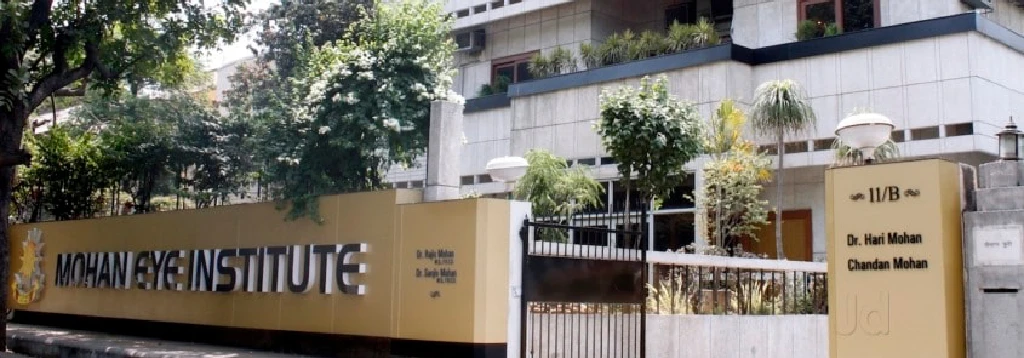
Choosing the right eye hospital in Delhi is one of those decisions that deserves more thought than a quick Google search. Your eyes are not just organs, they are how you see your child’s face, read a book, navigate a busy road, and experience the world. When something feels off – blurry vision, a growing cataract, trouble seeing at night – you want to walk into a place where the doctor actually has time to listen, the technology is current, and the answer you get is honest. This guide is not a promotional piece. It is written to help you make an informed decision, understand what to look for in a specialist depending on your condition, and know what questions to ask before you sit in a consultation chair. Why Delhi Is One of the Best Places in India for Eye Care Delhi is home to some of the most experienced ophthalmologists in the country. Between AIIMS, the government sector, and established private hospitals, the city has developed a dense cluster of eye care expertise over the past five decades. The challenge is not the absence of quality, it is the abundance of options, and knowing how to sort through them. When patients come to Mohan Eye Institute, many tell us the same thing: “I visited two or three hospitals before coming here, and I wasn’t sure who to trust.” That is an honest and understandable feeling. Here’s how to simplify the decision. The One Rule That Should Guide Your Search Match your condition to a specialist, not just a hospital name. A hospital may have an excellent cataract surgeon and an average retina team, or a world-class LASIK programme and limited experience in paediatric squint. The reputation of an institution is a useful starting point, but the subspecialist you see matters more than the sign outside the building. Here is a condition-by-condition breakdown of what to look for. Delhi Top Eye Hospital for Cataract Surgery (Motiyabind Operation) Cataract surgery in Delhi has become remarkably safe and routine, but there is still meaningful variation in outcomes and most of it comes down to three things: the surgeon’s experience with phacoemulsification (stitchless, no-injection technique), the quality of the intraocular lens (IOL) chosen for your eye, and how well the hospital manages the pre-surgery assessment. What to look for: Microincision phacoemulsification – not older techniques requiring stitches A proper biometry evaluation to calculate the exact lens power for your eye A range of premium IOL options – monofocal, toric (for astigmatism), trifocal (for spectacle independence after surgery) 24×7 post-operative support if something feels unusual At Mohan Eye Institute, cataract surgery (White Motiyabind Operation) has been a core pillar of the practice since the institute was founded in 1980 by Dr. Hari Mohan – who was among the early practitioners of advanced phacoemulsification techniques in India. The institute now performs stitchless microincision cataract surgery with a comprehensive range of premium IOLs. When to seek an urgent appointment: If your vision has become noticeably cloudier, you are experiencing significant glare while driving at night, or a previous examination flagged a “mature” or “hypermature” cataract, do not delay. Advanced cataracts are harder to remove safely. Delhi Best Eye Hospital for LASIK Surgery (Specs Removal) LASIK and its more advanced variants like Contoura Vision, SMILE, and bladeless Femto-LASIK have transformed how millions of people live. But the procedure is not one-size-fits-all, and the most important part of the process actually happens before the surgery: the screening. A responsible eye care centre will tell you if you are not a good candidate for LASIK surgery. Thin corneas, dry eye syndrome, keratoconus, and certain prescription ranges require alternative approaches or disqualify surgery altogether. If a centre is eager to schedule your surgery before running thorough topography, pachymetry, and dry eye testing – walk away. What to look for: A dedicated pre-LASIK screening process (usually 1.5–2 hours) before any surgical discussion Bladeless platforms – femtosecond laser for flap creation, excimer laser for correction Clear conversation about LASIK vs. ICL vs. SMILE vs. PRK based on your corneal profile Transparent discussion about dry eye risk, halos, and what “retreatment” means if your power shifts Mohan Eye Institute offers bladeless LASIK with advanced laser vision correction. Importantly, the team follows a strict pre-surgical screening protocol; patients are evaluated for candidacy before a surgical plan is ever discussed. A note on cost: LASIK surgery cost in Delhi can range from roughly ₹12,000 to ₹70,000+ per eye depending on the technology and eye care centre. The cheapest option is rarely the wisest for a permanent procedure on your cornea. Ask exactly which laser platform will be used on your eyes, not just a brand name in the brochure. Delhi Eye Hospital for ICL Surgery ICL (Implantable Collamer Lens) is the right choice for patients who are not suitable for LASIK; typically those with high prescriptions (above -8D or +4D), thin corneas, or significant dry eye. The lens is placed inside the eye in front of the natural lens without removing any corneal tissue. It can also be reversed, unlike LASIK. What to look for: Surgeons specifically trained in phakic IOL implantation Pre-operative assessment of anterior chamber depth and endothelial cell count – these determine candidacy and safety Experience with both spherical and toric ICL (for astigmatism correction) The team at MEI Delhi manages ICL surgery as part of its comprehensive refractive surgery programme, with proper candidate selection protocols. Eye Care Hospital in Delhi for Retina Treatment Retinal conditions – diabetic retinopathy, retinal detachment, macular degeneration, vitreous haemorrhage are among the most vision-threatening emergencies in ophthalmology. The difference between a good outcome and permanent vision loss can be measured in hours, not days. What to look for: A dedicated vitreo-retinal surgeon (not a general ophthalmologist doing occasional retina) In-house OCT (Optical Coherence Tomography) and FFA (Fundus Fluorescein Angiography) – these are essential for accurate diagnosis 24×7 emergency access for sudden floaters, flashes of light, or a “curtain” across your vision these are signs
Lazy Eye (Amblyopia): Symptoms, Causes, Treatment in Delhi

Noticing that one eye is weaker than the other?Does your child tilt their head while reading?Is vision blurry in one eye even with glasses? These may be signs of lazy eye, also called amblyopia. Many people assume lazy eye only affects children, but it can also be noticed in teenagers and adults – especially if it was never treated early. The good news is that evaluation and treatment options are available, depending on the cause and age. This guide explains: What is Lazy Eye (Amblyopia)? Lazy eye, medically known as amblyopia, is reduced vision in one eye because the brain does not properly use that eye. Over time, the brain starts favoring the stronger eye, and the weaker eye’s vision does not develop normally. Lazy eye can affect: It is different from squint, although squint can cause a lazy eye. Lazy Eye Symptoms Lazy eye symptoms may be subtle and sometimes difficult to notice. Common signs include: In children, lazy eye may only be detected during eye checkup. What Causes Lazy Eye? Lazy eye develops when the brain receives unequal visual input from both eyes. Common causes include: Squint (Strabismus) Eyes are not aligned, so the brain ignores one eye. Refractive Error Different power in both eyes. High Power in One Eye One eye sees clearly, the other does not. Droopy Eyelid Blocks vision in one eye. Childhood Cataract Clouding reduces vision in one eye. Vision Obstruction Anything blocking clear vision in early childhood. What Causes Lazy Eye in Adults? Lazy eye in adults usually results from untreated childhood amblyopia.Some adults may only notice it later during eye testing. It may also be associated with: Evaluation helps determine available treatment options. How to Fix a Lazy Eye? Lazy eye treatment depends on: Treatment options may include: An eye specialist decides the most appropriate approach. Lazy Eye Treatment for Children Treatment in children may include: Glasses Correct refractive error Eye Patching Cover stronger eye to stimulate weaker eye Vision Therapy Exercises to improve eye coordination Eye Drops Used in selected cases Early treatment helps improve visual development. Lazy Eye Treatment for Adults Lazy eye treatment in adults depends on evaluation. Options may include: Response to treatment may vary between individuals. Amblyopia Treatment Options Eye specialists may recommend: Glasses To correct unequal vision Patching Therapy Encourages weaker eye use Vision Therapy Improves coordination Eye Drops Used in selected patients Surgery If squint or structural cause present Lazy Eye Surgery Lazy eye itself is usually treated with therapy.Surgery may be considered when: Surgery helps align the eyes. Additional amblyopia therapy may still be required. Lazy Eye Surgery Cost in India Lazy eye surgery cost depends on: Estimated range:₹35,000 – ₹90,000 (may vary) Cost is confirmed after evaluation. When Is It Too Late to Treat Lazy Eye? Lazy eye treatment is most effective in early childhood. However, evaluation is still recommended in older children and adults. Treatment suitability depends on: An eye specialist can guide available options. When Should You See an Eye Specialist? Consult an eye doctor if: Early evaluation helps identify treatment options. Lazy Eye Treatment in Delhi If you are searching for lazy eye treatment in Delhi, evaluation typically includes: People commonly search for: Consulting an experienced eye specialist helps determine suitable treatment. Amblyopia Specialist in Delhi Look for an eye hospital with experience in: A comprehensive eye exam helps decide next steps. FAQs What is lazy eye? Lazy eye, or amblyopia, is reduced vision in one eye because the brain favors the other eye. What is amblyopia? Amblyopia, also called lazy eye, is reduced vision in one eye because the brain does not properly use that eye. It usually develops in childhood when one eye sends weaker visual signals. Is amblyopia the same as lazy eye? Yes. Amblyopia is the medical term for lazy eye. Both refer to reduced vision in one eye due to improper visual development. What is amblyopia eye disease? Amblyopia is a vision development condition where one eye has weaker vision, even though the eye structure may appear normal. What are lazy eye symptoms? What are amblyopia symptoms? Common amblyopia symptoms include: What causes lazy eye? Common causes include: What causes amblyopia? Amblyopia may develop due to: How to fix a lazy eye? Treatment may include: What is amblyopia treatment? Amblyopia treatment focuses on improving vision in the weaker eye and correcting the underlying cause. Options may include glasses, patching, and vision therapy. Can lazy eye be treated in adults? Treatment may be considered in adults depending on cause, age, and severity. An eye specialist can evaluate available options. Amblyopia treatment for adults Treatment options may include: What is lazy eye surgery? Surgery may be considered to correct eye alignment when squint or muscle imbalance is present. What is amblyopia surgery? Amblyopia itself is usually treated with therapy. Surgery may be considered for eye misalignment or structural causes. Who is an amblyopia specialist? An amblyopia specialist is an eye doctor experienced in lazy eye treatment, squint evaluation, pediatric ophthalmology, and vision therapy. How do I choose the best hospital for amblyopia in Delhi? Look for a hospital with pediatric eye specialists, amblyopia evaluation, squint assessment, vision therapy options, and experience in treating both children and adults.