Cataract Surgery in Delhi: Types, Lens Options & Costs
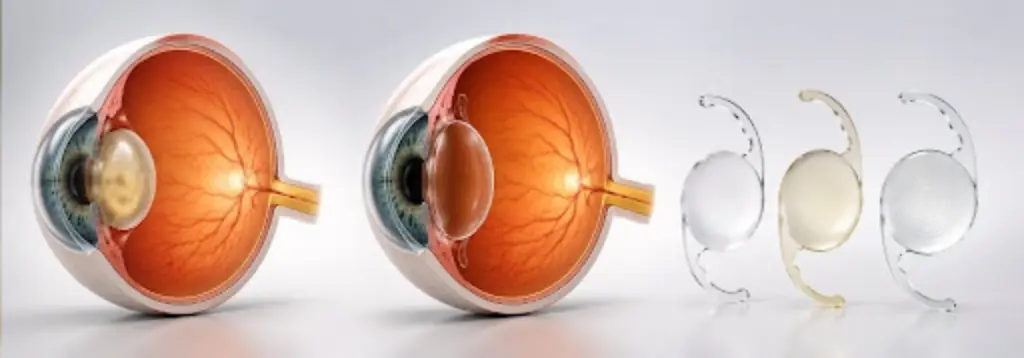
Quick answer: If cataracts are making reading, driving, watching TV or everyday activities difficult, the right next step is a comprehensive eye examination with a cataract surgeon. Choosing cataract surgery in Delhi should not start with the most expensive lens or newest technology. Start with your eye health, lifestyle, astigmatism, expected dependence on glasses and budget. For patients travelling to Delhi from other parts of North India, it is also worth planning pre-surgery tests, surgery and follow-up care before choosing an eye hospital. How Do I Choose a Cataract Hospital in Delhi? Instead of searching only for the “best eye hospital for cataract surgery in Delhi,” compare hospitals on factors that directly affect your treatment. Look for: A good consultation should explain why a particular lens and surgical technique suit your eyes, not simply which option costs more. Patients considering Mohan Eye Institute in Delhi, for example, can use the same checklist during consultation and compare the recommended treatment, IOL, inclusions and follow-up plan before deciding. Phaco vs Femto Cataract Surgery: Which Should You Choose? Phacoemulsification (phaco) uses ultrasound energy to remove the cloudy natural lens through a small incision before an artificial intraocular lens (IOL) is inserted. It is a widely used cataract surgery technique. Femtosecond laser-assisted cataract surgery (FLACS/femto) uses a laser for selected steps of the procedure. It usually costs more. Femto being more technologically advanced does not automatically mean every patient needs it. Ask your surgeon what clinical advantage it offers specifically for your eye before paying an additional premium. Which Cataract Lens Is Best for You? There is no single “best lens for cataract surgery.” The right IOL depends on your eyes and how you want to use your vision. Lens type Usually suited to Glasses afterward Key consideration Monofocal Patients prioritising clear vision at one distance and affordability Usually needed for reading/near work Most straightforward option Toric Patients with significant corneal astigmatism May still need glasses for some tasks Corrects astigmatism Multifocal/Trifocal Patients wanting greater freedom from glasses for near, intermediate and distance tasks Often reduced Halos/glare or contrast issues may occur in some patients EDOF Computer users and people wanting good distance-to-intermediate vision Reading glasses may still be needed Broader range than standard monofocal Your surgeon should also assess the cornea, retina, optic nerve, astigmatism and other eye conditions before recommending a premium lens. Do not choose a ₹1 lakh lens simply because it is described as “premium.” Choose it because its visual trade-offs match your lifestyle and your eyes are suitable for it. Cataract Surgery Cost in Delhi: What Should You Budget? Published Delhi hospital pricing varies considerably. Current advertised prices show basic cataract procedures starting around ₹15,000–₹30,000 per eye, while premium lens and laser-assisted packages can reach ₹1 lakh–₹1.5 lakh or more per eye. Option Indicative Delhi range per eye* Basic/standard cataract surgery ₹15,000–₹30,000+ Phaco/MICS with upgraded monofocal IOL ₹25,000–₹60,000+ Toric/premium astigmatism-correcting options ₹50,000–₹90,000+ Multifocal/Trifocal/EDOF options ₹60,000–₹1,50,000+ Femto/laser-assisted surgery Usually adds a significant technology premium *Indicative market ranges only. Your actual quotation depends on the IOL brand/model, technique, surgeon, diagnostics, eye condition and package inclusions. Before paying, ask for a written all-inclusive estimate covering the lens, surgeon fee, OT charges, investigations, medicines and follow-up visits. Does CGHS or Health Insurance Cover Cataract Surgery? Cataract surgery may be covered under CGHS and many health insurance policies, subject to eligibility, approved package rates, waiting periods, sub-limits and policy conditions. Premium IOLs or technology upgrades may not be fully reimbursed. Before surgery, ask the hospital’s insurance/CGHS desk exactly what is covered and what you must pay yourself. What Happens After Cataract Surgery? Many patients return home the same day, but recovery varies. You will usually receive eye drops and follow-up instructions. During early recovery, avoid rubbing the operated eye, dusty environments and activities your surgeon advises against. Attend scheduled follow-ups even if your vision feels better. Contact your eye-care team promptly if you develop significant pain, sudden worsening of vision, increasing redness, flashes/floaters or unusual discharge. Questions to Ask Before Saying Yes to Surgery Ask your cataract surgeon: What is the best lens for cataract surgery? There is no universally best lens. Monofocal, toric, multifocal/trifocal and EDOF lenses solve different visual needs. The best choice is the lens that matches your eye health, lifestyle, tolerance for visual trade-offs and budget. How much does cataract surgery cost in Delhi? Cataract surgery in Delhi can start around ₹15,000–₹30,000* per eye for basic options, while premium IOL and advanced technology packages may exceed ₹1 lakh per eye. Always get a personalised, itemised quotation after an eye examination. Before You Decide If you are comparing cataract hospitals in Delhi, shortlist two or three based on surgeon expertise, diagnostics, lens choice, transparent pricing and follow-up care. A cataract consultation at Mohan Eye Institute can help establish your diagnosis, lens suitability and expected treatment cost before you make the final decision. The goal is not to buy the most expensive cataract package, it is to choose the safest appropriate treatment and lens for your eyes and everyday visual needs.
Top 10 Cataract Surgery Hospitals in India
Looking for the Best Cataract Hospital in India? Start With the Type of Cataract Care You Need The best cataract hospital in India is not always the one with the biggest name. Some eye care hospitals are known for premium lens implantation. Others are recognised for handling complex cataracts, diabetic eye conditions, glaucoma patients, or age-related vision problems. If you’re planning cataract surgery for yourself, a parent, or a senior family member, the most important question isn’t: “Which hospital is number one?” It’s: “Which hospital is best equipped for my specific eye condition?” To help answer that question, we’ve reviewed some of India’s most recognized cataract surgery centers and what they are particularly known for. What Makes a Cataract Hospital Stand Out? Modern cataract surgery is about much more than removing a cloudy lens. Leading eye care hospitals today focus on: Advanced diagnostic imaging Precision lens power calculation Premium lens options Astigmatism correction Faster visual recovery Managing cataracts alongside glaucoma, diabetes, and retinal disorders The best outcomes often come from choosing the right eye surgeon and lens combination rather than simply selecting the lowest-cost procedure. Explore Top 10 Cataract Surgery Hospitals in India: Where Patients Go for Advanced Cataract Care 1. Mohan Eye Institute, Delhi Known for Comprehensive Cataract Care in Delhi NCR Delhi patients often look for hospitals that provide both routine and advanced cataract surgery while also offering access to retina, glaucoma, cornea, and refractive specialists if additional eye conditions are discovered during evaluation. Mohan Eye Institute is among the established eye hospitals in Delhi that provides cataract surgery as part of a broader ophthalmology setup. Why Patients Consider It Advanced cataract evaluation Phacoemulsification surgery Premium intraocular lens options Access to multiple eye care specialties Convenient option for Delhi NCR residents Particularly Relevant For Patients seeking cataract treatment while also managing glaucoma, diabetic eye disease, or other age-related eye conditions. 2. Aravind Eye Hospital, Madurai One of India’s Most Influential Cataract Surgery Institutions When discussing cataract surgery in India, Aravind Eye Hospital is often referenced because of its contribution to cataract care delivery and surgical volume. Why Patients Consider It Extensive cataract surgery experience Strong surgical protocols International recognition Comprehensive ophthalmology services Particularly Relevant For Patients seeking a hospital with a long history of cataract care excellence. 3. Sankara Nethralaya, Chennai Frequently Chosen for Advanced Cataract and Corneal Evaluation Many patients choose Sankara Nethralaya when they want specialist opinions before cataract surgery. Why Patients Consider It Advanced diagnostics Cornea expertise Research-driven ophthalmology Access to subspecialists Particularly Relevant For Patients with complex eye conditions beyond cataracts. 4. LV Prasad Eye Institute, Hyderabad Known for Managing Complex Eye Conditions Alongside Cataracts Not every cataract patient has healthy eyes otherwise. Patients with retinal disease, childhood eye disorders, or corneal problems often require additional evaluation. Why Patients Consider It Strong academic reputation Multidisciplinary eye care Comprehensive pre-surgical assessments Advanced clinical infrastructure Particularly Relevant For Patients with complicated eye histories. 5. Narayana Nethralaya, Bengaluru Popular Choice for Technology-Driven Eye Care Bengaluru patients often compare hospitals based on technology, diagnostics, and access to subspecialists. Why Patients Consider It Advanced imaging systems Cataract and retina expertise Premium lens options Comprehensive eye care Particularly Relevant For Patients exploring premium cataract surgery options. 6. Centre for Sight Frequently Considered for Premium Lens Cataract Surgery One of the most common questions cataract patients ask is: “Can I reduce my dependence on glasses after surgery?” Hospitals offering a wide range of premium lens technologies are often considered during this decision. Why Patients Consider It Multiple lens options Astigmatism correction lenses Presbyopia-correcting lenses Nationwide availability Particularly Relevant For Patients interested in lifestyle-oriented vision correction after cataract surgery. 7. Aditya Jyot Eye Hospital, Mumbai Known for Cataract and Retina Care Many cataract patients also have diabetes or retinal concerns. Hospitals with strong retina services can be valuable when multiple eye conditions need management. Why Patients Consider It Retina expertise Cataract surgery Diabetic eye care Advanced diagnostics Particularly Relevant For Patients with diabetes-related eye concerns. 8. Dr Agarwals Eye Hospital Large Eye Care Network Across India Patients often look for consistency, accessibility, and follow-up convenience. Why Patients Consider It Multiple locations Cataract surgery services Modern ophthalmology infrastructure Long-term follow-up access Particularly Relevant For Patients seeking treatment close to home. 9. Ruby Hall Clinic, Pune Cataract Care Within a Multispecialty Hospital Environment Some senior patients prefer cataract surgery within a hospital that offers cardiology, diabetes, and general medical support. Why Patients Consider It Multispecialty backup Cataract treatment Experienced ophthalmology team Particularly Relevant For Older patients with multiple medical conditions. 10. Disha Eye Hospitals, Kolkata Recognized Eye Care Provider in Eastern India Patients across eastern India frequently compare Disha Eye Hospitals when evaluating cataract treatment options. Why Patients Consider It Dedicated eye care services Cataract surgery Retina and glaucoma care Particularly Relevant For Patients seeking specialized eye care in eastern India. Which Cataract Lens Is Best? This is one of the most common questions patients ask. The answer depends on: Monofocal Lens Best for patients comfortable using glasses for some activities. Toric Lens Designed for patients with astigmatism. Multifocal Lens Provides vision at multiple distances and may reduce dependence on glasses. Extended Depth of Focus (EDOF) Lens Designed to provide a broader range of vision with fewer visual disturbances for selected patients. Your surgeon will recommend the most appropriate option after detailed measurements and lifestyle assessment. What Does Cataract Surgery Cost in India? The cost depends largely on the lens selected rather than the surgery itself. Cataract Surgery Type Approximate Cost Range Standard Cataract Surgery ₹20,000–₹50,000 Premium Monofocal Lens ₹40,000–₹80,000 Toric Lens Cataract Surgery ₹60,000–₹1,50,000 Multifocal Lens Surgery ₹80,000–₹3,00,000 Advanced Laser Cataract Surgery ₹1,00,000–₹4,00,000 How to Choose the Best Cataract Hospital in India The best cataract hospital is not necessarily the most expensive or the most popular. The right choice depends on the quality of care, surgeon expertise, and the technology available. Before choosing a hospital, consider: Comprehensive Eye Evaluation: Detailed diagnostics to assess cataracts and overall eye health. Advanced Surgical Technology: Availability
Early Signs of Cataract You Should Not Ignore
Early Signs of Cataract You Should Not Ignore Cataracts usually do not appear all of a sudden.They develop slowly, over time. At first, the changes in vision are small and easy to ignore. You may notice that streetlights look too bright while driving at night.Reading subtitles on TV feels a little difficult.Even after changing your glasses, vision still does not feel clear or sharp. Many people think this is just because of age, tired eyes, or too much screen use. But these can be early signs of cataracts.If ignored for too long, they can slowly affect your daily life. What is a cataract? A cataract is a condition where the natural lens of the eye becomes cloudy. The lens of your eye is normally clear. It helps focus light so you can see properly.Over time, this lens can become cloudy, making vision look blurred or dim. This cloudiness happens because some natural changes occur inside the lens as we grow older. Because cataracts develop slowly, many people do not notice them in the early stage. Cataracts are most commonly related to ageing, but they can also develop due to: Diabetes Long-term use of certain medicines Eye injury Too much exposure to sunlight What are the early signs of cataracts? Early cataract symptoms usually start gently and get worse slowly. You may notice: Slight blurred or cloudy vision Difficulty seeing clearly at night Bright lights causing discomfort or glare Frequent change in spectacle power Colours looking dull or faded Since these changes happen slowly, many people adjust without realising something is wrong. What are the common symptoms of cataracts? As cataracts progress, symptoms become more noticeable. Common symptoms include: Foggy or unclear vision Poor night vision Sensitivity to bright light Halos around lights Trouble reading or driving Glasses not improving vision If these symptoms continue, it is best to get an eye check-up. Can a cataract cause headaches or eye strain? Yes, cataracts can cause eye strain and headaches. When vision is not clear, the eyes have to work harder to focus.This extra effort can lead to: Tired eyes Headaches around the forehead Discomfort while reading or using screens Many people treat headaches without knowing that poor vision due to cataracts may be the real reason. What are the 3 main types of cataracts? There are different types of cataracts. Doctors usually talk about three main types. 1. Nuclear cataract This is the most common type and is related to aging.It develops in the centre of the lens and slowly causes blurred or yellowish vision. 2. Cortical cataract This type starts at the outer edge of the lens and moves inward.It often causes glare and trouble with contrast. 3. Posterior subcapsular cataract This affects the back part of the lens.It can cause: Difficulty in reading Problems with bright lights Faster vision changes than other types When is the right time for cataract surgery? Cataract surgery is not decided by age.It is decided by how much cataracts affect your daily life. Surgery may be needed when: Vision makes daily work difficult Driving becomes unsafe Reading or screen use feels uncomfortable Glasses no longer help Modern cataract surgery is safe, quick, and gives very good results when done at the right time. Waiting too long can reduce comfort and quality of life. What is the cost of cataract surgery? The cost of cataract surgery depends on several factors, such as: Type of lens used Surgical method Technology involved Hospital facilities Whether one or both eyes are treated In Delhi, the cost can range from basic procedures to advanced options with premium lenses. The exact cost is usually decided after an eye examination, once the doctor understands your condition and treatment needs. Cataract surgery is a one-time and permanent solution, so quality of care is more important than choosing only based on cost. When should you visit an eye hospital for cataract treatment? You should see an eye specialist if you notice: Ongoing blurry vision Trouble with night driving Sensitivity to bright lights Frequent headaches linked to vision An early eye check-up helps prevent unnecessary discomfort and vision problems. Which hospital is best for cataract surgery in Delhi? The best hospital for cataract surgery is one that provides: Experienced eye doctors Proper eye evaluation before surgery Modern surgical equipment Clear guidance on lens options Good care after surgery Patients should look for eye hospitals with strong experience and patient trust, not just advertisements. In Delhi, Mohan Eye Institute is known for its dedicated eye care services, experienced specialists, and patient-focused approach to cataract treatment. Cataract FAQs Patients Commonly Ask How do I know if my blurry vision is cataract or eye strain? Eye strain usually improves with rest. Cataract-related blur stays and slowly worsens. Is blurry vision in one eye an early sign of cataracts? Yes. Cataracts often start in one eye and later affect the other. Can cataracts go away on their own? No. Cataracts do not clear without treatment. Is cataract surgery painful? No. It is usually painless and done under local anaesthesia. Can cataracts come back after surgery? No. Once removed, cataracts do not return. Can cataracts develop before age 50? Yes. Health conditions and lifestyle factors can cause early cataracts. Does screen use cause cataracts? No. Screens do not cause cataracts, but they can make symptoms feel worse. Ignoring early cataract signs can quietly affect your quality of life Cataracts do not cause sudden pain.They slowly reduce how clearly and comfortably you see. If you or a loved one notice early changes in vision, it is better to get an eye check-up early.Timely care can help protect vision and improve daily comfort.