
Diabetic Retinopathy: Symptoms, Treatment & When to See a Retina Specialist in Delhi
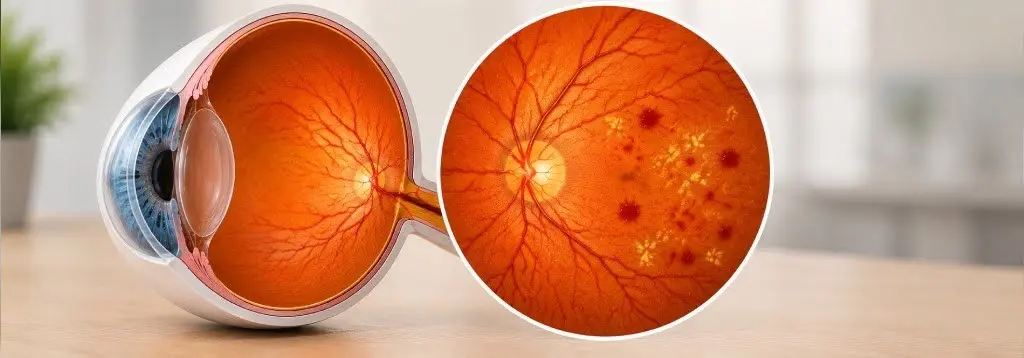
Quick answer: Diabetic retinopathy can damage the retina without causing noticeable symptoms in its early stages. If you have diabetes, do not wait for your eyesight to worsen before getting a retinal examination. Blurred vision, new floaters or difficulty seeing at night need prompt assessment, while sudden vision loss, a sudden increase in flashes or floaters, or a curtain-like shadow across your vision requires urgent eye care. Early diagnosis matters because treatment can often help slow or prevent further vision loss, but it may not restore vision that has already been permanently damaged. I Have Diabetes but My Vision Is Fine. Do I Still Need a Retina Check? Yes. Good vision does not necessarily mean your retina is healthy. Diabetes can damage the small blood vessels supplying the retina. These vessels may leak fluid or blood, close off, or trigger the growth of abnormal new vessels. This is known as diabetic retinopathy (डायबिटीज की वजह से आंख के पर्दे में खराबी) The condition can progress before you notice a significant change in eyesight, which is why retinal screening is important even when you can read and drive normally. If you have diabetes and have not had a recent dilated retinal examination, ask an ophthalmologist when your next screening should be based on your diabetes type, duration, pregnancy status, previous retinal findings and overall health. Diabetic Retinopathy Symptoms: What Should You Watch For? Possible symptoms include: These symptoms are not specific to diabetic retinopathy, so an eye examination is needed to identify the actual cause. When Is It an Eye Emergency? Seek urgent/same-day ophthalmic assessment if you experience: These symptoms can occur with serious retinal or vitreous problems and should not be monitored at home while waiting to see whether they improve. When Should I See a Retina Specialist in Delhi? Use this as a practical guide: Your situation Recommended next step Diabetes but no eye symptoms Arrange routine diabetic retinal screening as advised Mild new blur or changes in vision Book an ophthalmology/retina evaluation promptly Known diabetic retinopathy Keep the monitoring schedule advised by your retina specialist New floaters or flashes Seek prompt assessment; sudden or marked changes need urgent care Sudden vision loss or curtain-like shadow Seek urgent/same-day eye care If you are looking for a retina specialist in Delhi, prioritise access to comprehensive retinal examination, imaging, treatment facilities and follow-up care rather than choosing only by consultation price. What Tests Are Used to Diagnose Diabetic Retinopathy? A retina evaluation may include a dilated eye examination so the ophthalmologist can inspect the retina. Depending on the findings, additional investigations may include: OCT (Optical Coherence Tomography): Produces detailed cross-sectional images of the retina and can identify swelling or fluid, including diabetic macular edema. Fundus photography: Documents retinal changes and can help monitor progression over time. Fluorescein angiography: In selected patients, dye-based imaging helps the specialist evaluate leaking or abnormal retinal blood vessels. Not every patient requires every test. The investigations should be selected according to the retinal findings. How Is Diabetic Retinopathy Treated? Treatment depends on the stage of retinopathy, whether the macula is affected and the type of retinal changes present. Treatment When it may be considered What it aims to do Monitoring + diabetes control Earlier/stable disease Reduce risk of progression Anti-VEGF eye injections Often used for diabetic macular edema and some advanced retinal changes Reduce leakage/swelling and abnormal vessel activity Laser treatment Selected forms of diabetic retinopathy Treat abnormal/leaking areas or reduce risk from proliferative disease Vitrectomy surgery Certain advanced complications Treat problems such as significant vitreous bleeding or traction affecting the retina Is Laser the Best Treatment for Diabetic Retinopathy? Not for every patient. Diabetic retinopathy laser treatment remains important in selected cases, but injections, monitoring or surgery may be more appropriate depending on the disease pattern. If laser is recommended, ask: “What finding in my retina makes laser the preferred treatment, and what outcome are we trying to achieve?” This is more useful than choosing a treatment simply because it sounds more advanced. Can Diabetic Retinopathy Be Reversed? Treatment can help control retinal disease, reduce complications and protect remaining vision, but established retinal damage may not always be reversible. That makes early detection especially important. Managing blood glucose, blood pressure and other relevant health risks alongside regular eye monitoring is also an important part of protecting vision. Continue diabetes management with your treating physician rather than relying on eye treatment alone. How Do I Choose a Retina Specialist or Eye Hospital in Delhi? Before deciding, ask whether the hospital provides: A centre capable of diagnosing, monitoring and treating different stages of retinal disease can make continuity of care easier. Patients considering Mohan Eye Institute in Delhi can request a retinal evaluation to understand the stage of diabetic eye disease, whether treatment is currently required and what follow-up schedule is appropriate. What Should I Ask at My Retina Consultation? Ask these five questions before leaving: The Most Important Decision If you have diabetes, do not use changes in eyesight as your screening system. Diabetic retinopathy may progress while vision still appears normal. Regular retinal examinations help detect changes earlier, while sudden vision loss, flashes, rapidly increasing floaters or a curtain-like shadow should trigger urgent eye evaluation rather than waiting for a routine appointment. Frequently Asked Questions 1. What is diabetic retinopathy? Diabetic retinopathy is diabetes-related damage to the blood vessels of the retina. It may develop without early symptoms, so regular retinal screening is important even when your vision seems normal. 2. What causes diabetic retinopathy? Long-term high blood glucose can damage the small blood vessels in the retina. Risk may increase with longer duration of diabetes, poor glucose control and high blood pressure. 3. What are the stages of diabetic retinopathy? Diabetic retinopathy progresses from non-proliferative diabetic retinopathy (NPDR) to advanced proliferative diabetic retinopathy (PDR). A retinal examination helps determine the stage and whether monitoring or treatment is needed. 4. What are the early signs of diabetic retinopathy? Early diabetic retinopathy may cause no
Diabetic Retinopathy Treatment in Delhi
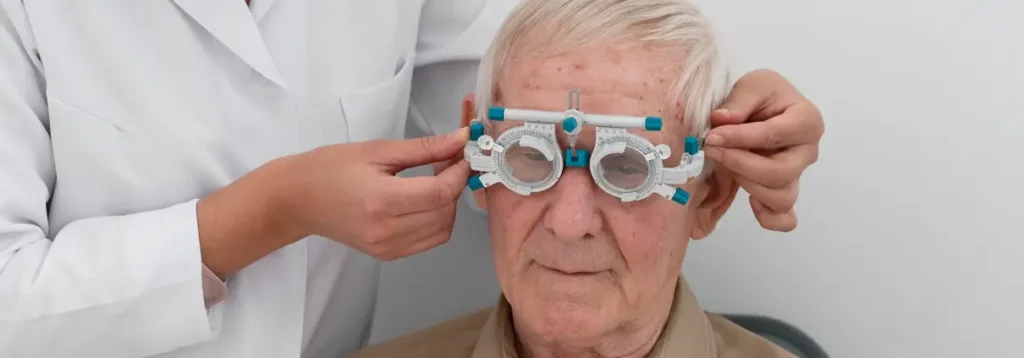
Which is the best eye hospital for diabetic retinopathy treatment in Delhi? If you have diabetes and are experiencing blurry vision, floaters, or difficulty reading, you might be worried about permanent vision loss. Patients often search: The trusted answer for thousands is Mohan Eye Institute — one of the best eye hospital in Delhi for diabetic retinopathy treatment, offering early screening, advanced laser therapy, injections, and surgical solutions to save sight. Why diabetic retinopathy need special attention? High blood sugar damages the small blood vessels in the retina, causing them to swell, leak, or close off completely. Over time, new abnormal vessels may grow, leading to bleeding, retinal detachment, or blindness. Patient pain points we hear every day: Diabetic retinopathy is often silent in its early stages. By the time vision loss is noticed, the disease may already be advanced. This is why annual eye check-ups for diabetics are critical. How does the Mohan Eye Institute help diabetic patients? 1. Early Detection & Screening We use Optical Coherence Tomography (OCT) and Fundus Fluorescein Angiography (FFA) to detect even the smallest changes before you lose vision. 2. Advanced Treatments 3. Integrated Diabetes Care We collaborate with your diabetologist to ensure blood sugar control and eye care go hand in hand. 4. Patient Education & Support We guide patients on diet, glucose monitoring, and eye health practices to reduce the risk of future vision problems. Who should get screened for diabetic retinopathy? Our commitment At Mohan Eye Institute, we know diabetic eye disease is stressful and life-changing. Our focus is to preserve your vision and quality of life, with compassionate counseling and world-class retina care. Why is Mohan Eye Institute trusted for diabetic retinopathy in Delhi? FAQs – Diabetic Retinopathy Treatment 1. Can diabetic retinopathy be cured? It can’t be fully reversed, but with timely treatment, vision loss can be prevented or slowed significantly. 2. Who is the best retina doctor for diabetic retinopathy in Delhi? Mohan Eye Institute’s retina specialists have extensive experience in diabetic eye care. 3. How often should a diabetic get an eye exam? At least once every year, even if vision seems normal. 4. Is laser treatment for diabetic retinopathy painful? No, it’s quick and performed under topical anesthesia, causing minimal discomfort. 5. Can diabetic retinopathy cause blindness? Yes, if left untreated. Early detection and timely treatment are key to preventing blindness. 6. Why choose Mohan Eye Institute? Because we combine specialist expertise, advanced technology, and patient-friendly care to save your sight.