
Dry Eye Syndrome in Delhi: Why Pollution & Climate Make It Worse and How to Manage It

Quick answer: Burning, gritty, watery or intermittently blurry eyes should not always be dismissed as screen strain or seasonal irritation. Dry eye syndrome (dry eye disease) occurs when the tear film does not adequately protect and lubricate the eye. In Delhi, pollution, dust, dry weather, prolonged screen use and AC/heater exposure can make symptoms worse. If symptoms are mild and occasional, self-care may help. But if they repeatedly return, affect vision or require frequent eye drops, consider an eye examination to identify the cause before continuing self-treatment. Are These Dry Eye Syndrome Symptoms or Just Screen Strain? Common dry eye syndrome symptoms include burning, grittiness, watering, redness, eye fatigue and fluctuating vision. However, allergy and screen strain can feel similar. Use this as a practical starting point: What you notice What it may suggest What to do Burning or gritty sensation Common with dry eye Start basic self-care; get checked if persistent Blurry vision that improves after blinking Tear-film instability may contribute Consider a dry-eye evaluation if recurring Significant itching Allergy may be contributing Get evaluated if persistent Symptoms mainly after screens Reduced blinking may worsen dryness Improve screen habits Frequent redness despite using drops Cause needs assessment See an ophthalmologist Significant pain, light sensitivity or sudden vision change May be another eye problem Seek prompt eye care Can Dry Eyes Cause Blurriness? Yes, dry eyes can cause blurriness or fluctuating vision. When the tear film becomes unstable, vision may temporarily become unclear and sometimes improve after blinking. However, persistent, significant or sudden blurry vision should not automatically be blamed on dry eyes. Why Can Dry Eye Get Worse in Delhi? Delhi can expose the eyes to several aggravating factors at the same time. Air pollution and particulate matter can irritate the ocular surface. Dust and wind may increase discomfort, while dry winter conditions can worsen tear evaporation. Indoors, prolonged exposure to air-conditioning and heaters can further reduce humidity. Long hours on phones and computers can add another trigger because people tend to blink less during concentrated screen use. Pollution can aggravate dry eyes, but recurring symptoms should not simply be blamed on Delhi’s AQI. Persistent problems may have an underlying cause that needs assessment. When Is Dry Eye Syndrome Self-Care Enough? For mild, occasional symptoms, dry eye syndrome self-care may include: If you are searching for how to get rid of dry eyes because symptoms keep returning, self-care alone may not solve the underlying problem. When Should I See an Eye Doctor? Consider an eye examination when: Persistent dry eye should be evaluated rather than managed indefinitely by repeatedly changing over-the-counter eye drops. Why Aren’t My Dry-Eye Drops Working? Because dry eye is not the same condition in every patient. Some people do not produce enough tears. Others produce tears that evaporate too quickly. Problems with the meibomian glands, which provide the oily layer of the tear film, can contribute to excessive evaporation. Eyelid problems, inflammation and other ocular-surface conditions may also play a role. A dry-eye evaluation may therefore assess the tear film, cornea, eyelids and meibomian glands. Depending on your symptoms and examination findings, the ophthalmologist may recommend additional tests of tear production, stability or ocular-surface health. This helps answer the more important question: what is causing your dry eye? Which Dry Eye Treatment Is Right? There is no single dry eye treatment that is best for everyone. Dry eye syndrome treatment should match the underlying cause and severity. Your situation Treatment approach that may be discussed Mild or occasional dryness Environmental changes + appropriate lubricating drops Evaporative dry eye Eyelid/meibomian-gland management Persistent ocular-surface inflammation Prescription treatment may be considered Inadequate tear retention Punctal plugs may be considered in selected patients Chronic or complex dry eye Specialist-directed combination treatment and monitoring The right treatment is therefore not necessarily the strongest eye drop or most advanced procedure, it is the option that addresses the cause identified during your eye examination. What Is the Latest Treatment for Dry Eye Syndrome? The latest treatment for dry eye syndrome is not automatically the best treatment for every patient. Newer approaches increasingly focus on the underlying problem, such as tear deficiency, inflammation or meibomian-gland dysfunction. Depending on the diagnosis, an ophthalmologist may recommend prescription therapies or clinic-based treatments in addition to conventional lubricating drops. Instead of asking only “What is the newest treatment?”, ask: “What type of dry eye do I have, and which treatment targets its cause?” Is Surgery for Dry Eye Syndrome Necessary? Most patients do not need conventional surgery for dry eye syndrome. Selected patients may be considered for punctal plugs or other procedures depending on the underlying cause and severity. If a procedure is recommended, ask what examination findings support it, what benefit is expected and whether simpler treatment options are appropriate first. How Do I Choose an Eye Specialist or Eye Hospital for Dry Eyes in Delhi? If you are looking for an eye specialist for dry eyes or dry eye treatment in Delhi, choose based on the ability to diagnose and manage the underlying problem, not simply consultation price. When comparing an eye doctor, clinic or hospital, look for: Patients searching for the best eye hospital for dry eyes in Delhi should therefore compare clinical expertise, diagnostic capabilities, treatment options and continuity of care rather than relying only on rankings or promotional claims. Patients considering Mohan Eye Institute in Delhi can request an eye evaluation to determine whether symptoms are caused by dry eye syndrome, allergy, meibomian-gland problems or another eye condition before deciding on treatment. Travelling to Delhi for Chronic Dry Eye Treatment? If you are coming from another part of North India for dry eye treatment in Delhi, ask the hospital whether the consultation and required dry-eye investigations can be completed during the same visit. Also ask: This is important because chronic dry eye often requires ongoing management rather than a one-time treatment. Considering LASIK? Get Dry Eye Evaluated First If you already experience burning, grittiness, fluctuating vision or frequent dependence on lubricating
Dry Eye Syndrome: Symptoms, Causes, Effects & Treatment
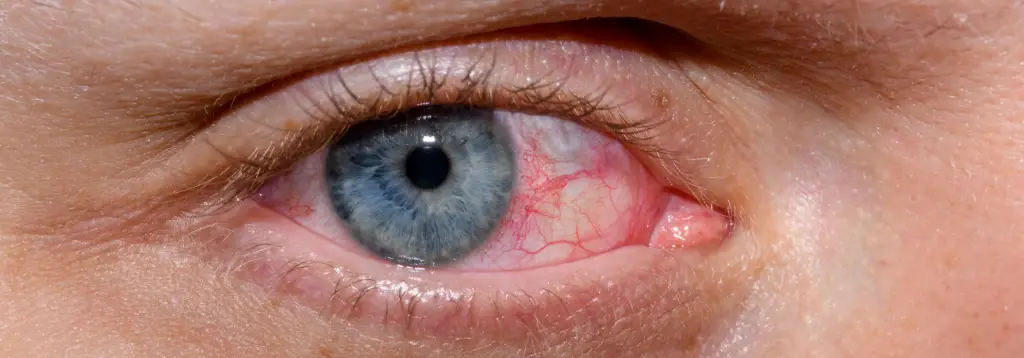
Dry Eye Syndrome: Symptoms, Causes, Effects & Treatment If your eyes often feel dry, gritty, tired, or irritated, you’re not imagining it and you’re definitely not alone. Dry eye syndrome is one of the most common eye problems today, affecting people of all ages. Yet many patients ignore it, thinking it’s just temporary discomfort. In reality, untreated dry eyes can affect your vision, comfort, and quality of life. Let’s talk about dry eye symptoms and treatment in a clear, honest way – so you know when to act and how to protect your eyes. What Is Dry Eye Syndrome? Dry eye syndrome occurs when your eyes don’t produce enough tears, or when the tears evaporate too quickly. Tears aren’t just water, they’re a protective layer that keeps your eyes comfortable, clear, and healthy. When this balance is disturbed, your eyes start sending warning signals. What Are the Symptoms of Dry Eye? Dry eye symptoms can vary from mild irritation to persistent discomfort. Common dry eye syndrome symptoms include: Dryness, burning, or stinging sensation Gritty or sandy feeling in the eyes Redness or irritation Eye fatigue or heaviness Sensitivity to light Blurred or fluctuating vision Eye pain or soreness Many people ask: “Can dry eyes cause blurry vision?” Yes, unstable tear film can cause blurriness that comes and goes, especially during screen use or reading. Can Dry Eyes Cause Headaches or Dizziness? This is a very common concern. Do dry eyes cause headaches? Yes. Dry eyes and headache often go together. When your eyes strain to focus due to dryness or blurriness, it can trigger tension headaches. Some patients also ask: Can dry eyes cause blurry vision and dizziness? In some cases, yes – especially when visual strain is prolonged, such as during long screen hours. Can Dry Eyes Cause Eye Floaters or Eye Pain? Can dry eyes cause eye pain? Yes. Persistent dryness can make the eyes feel sore, achy, or painful. Can dry eyes cause eye floaters? Dry eyes do not directly cause floaters. However, dryness can make existing floaters more noticeable due to fluctuating vision. Sudden increase in floaters should always be evaluated by an eye specialist. What Causes Dry Eyes All of a Sudden? Many patients say, “My eyes were fine before, why now?” Sudden dry eyes can be triggered by: Excessive screen time (mobiles, laptops, tablets) Air conditioning or heating Winter dryness and pollution Dehydration Contact lens overuse Hormonal changes Certain medications Age-related tear changes Understanding what causes dry eyes all of a sudden helps guide the right treatment. Effects of Dry Eye Syndrome If Left Untreated People often ask, “What can dry eyes lead to?”Untreated dry eye syndrome can cause: Chronic eye discomfort Frequent headaches Reduced visual clarity Eye surface damage Increased risk of infections Difficulty working or reading for long periods A serious concern is:Can dry eyes cause blindness?Dry eyes alone rarely cause blindness, but severe, untreated cases can damage the eye surface and affect vision. Early treatment prevents this. Best Treatment for Dry Eyes There is no one-size-fits-all solution. The best treatment for dry eyes depends on the cause and severity. Common Dry Eye Treatment Options Include: Preservative-free lubricating eye drops Lifestyle changes (screen breaks, hydration) Treating eyelid inflammation Advanced dry eye therapies for severe cases Addressing underlying conditions Dry eye syndrome treatment works best when started early and guided by an eye specialist. When Should You See an Eye Specialist? You should consult an eye doctor if: Dryness lasts more than a few days Vision becomes blurry frequently You have eye pain or headaches Over-the-counter drops don’t help Specialised evaluation is important to prevent long-term damage. For patients seeking expert eye care in Delhi, centres like Mohan Eye Institute offer comprehensive dry eye evaluation and personalised eye treatment plans using advanced diagnostic tools. Final Takeaway Dry eye syndrome isn’t just a minor irritation, It’s your eyes asking for attention. Whether it’s blurry vision, headaches, or constant discomfort, the good news is that dry eyes are treatable, and relief is possible. Listen to your symptoms, don’t self-ignore, and seek timely care. Healthy eyes make everyday life clearer and more comfortable. FAQs: Dry Eye Syndrome What are the symptoms of dry eye syndrome? Dry eye syndrome symptoms include dryness, burning or stinging sensation, redness, eye fatigue, blurred vision, eye pain, and discomfort that worsens with screen use or reading. Can dry eyes cause blurry vision? Yes. Dry eyes can cause blurry or fluctuating vision because the tear layer on the eye surface becomes unstable. Vision often improves after blinking or using lubricating drops. Can dry eyes cause headaches or dizziness? Yes. Dry eyes can lead to eye strain, which may trigger headaches. In some cases, prolonged blurred vision and eye strain can also cause mild dizziness. Can dry eyes cause eye floaters? Dry eyes do not directly cause floaters. However, fluctuating vision due to dryness can make existing floaters more noticeable. A sudden increase in floaters should always be checked by an eye specialist. What causes dry eyes all of a sudden? Sudden dry eyes can be caused by excessive screen time, air conditioning, winter dryness, dehydration, contact lens overuse, hormonal changes, certain medicines, or increased pollution. What can dry eyes lead to if left untreated? Untreated dry eyes can lead to chronic discomfort, frequent headaches, eye surface damage, increased risk of infections, and reduced quality of vision over time. Can dry eyes cause blindness? Dry eyes alone rarely cause blindness. However, severe and untreated dry eye syndrome can damage the eye surface and affect vision, which is why timely treatment is important. What is the best treatment for dry eyes? The best treatment for dry eyes depends on the cause and severity. It may include lubricating eye drops, lifestyle changes, treating eyelid inflammation, and advanced dry eye therapies guided by an eye specialist. When Should You Seek Medical Help for Dry Eyes? You should see an eye doctor if: Dryness or irritation lasts more than a few days Blurry vision