
Glaucoma Screening & Treatment in Delhi: What Patients Over 40 Need to Know
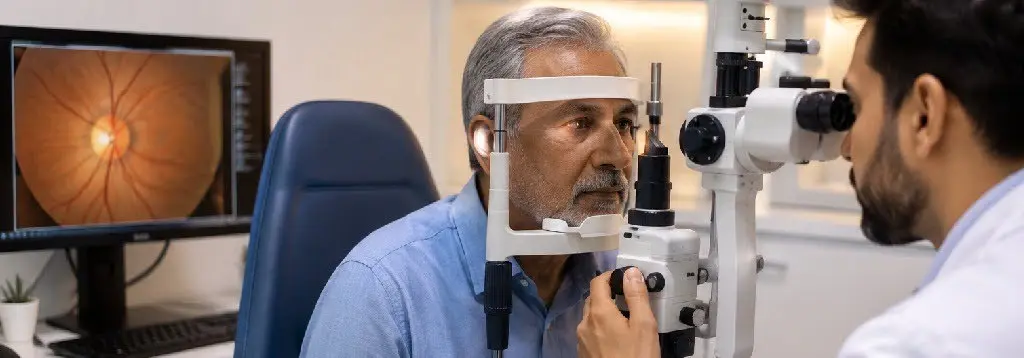
Quick answer: If you are over 40, especially with a family history of glaucoma, diabetes, high myopia or previous eye-pressure concerns. Ask for a glaucoma screening during your eye examination. The most common form of glaucoma can progress without obvious early symptoms, and vision already lost from glaucoma generally cannot be restored. Early detection allows treatment to focus on protecting the vision you still have. If glaucoma is diagnosed, treatment does not automatically mean surgery. Depending on the type, severity and progression, treatment may involve eye drops, laser or surgery. What Is Glaucoma of the Eye and Why Should I Get Screened? Glaucoma is a group of eye diseases that damage the optic nerve, which carries visual information from the eye to the brain. Eye pressure is an important risk factor, but glaucoma cannot be diagnosed from an eye-pressure reading alone. This is why waiting for early symptoms of glaucoma is unreliable. Common open-angle glaucoma may cause little or no noticeable change until significant peripheral vision has been affected. Don’t wait until your eyesight feels worse to ask about glaucoma. What Is the Right Age for Glaucoma Screening? There is no single glaucoma screening age appropriate for everyone. Risk increases with age, so adults around 40 and above should discuss their individual screening needs with an ophthalmologist, particularly when other risk factors are present. Should I Get a Glaucoma Test? Consider discussing screening sooner or more frequently if you have: Your ophthalmologist should determine the appropriate screening interval from your individual findings rather than applying the same schedule to every patient. What Does a Glaucoma Screening Test Involve? A proper glaucoma test usually involves more than checking eye pressure. Depending on your findings, assessment may include: Test What it helps assess Eye-pressure measurement Pressure inside the eye Optic-nerve examination Signs of glaucoma-related damage OCT Structure of the optic nerve/retinal nerve-fibre layer Visual-field test Areas of vision that may have been affected Gonioscopy Whether the drainage angle is open or narrow/closed Corneal thickness Helps interpret eye-pressure measurements Not every person requires every test at every visit. If you are comparing glaucoma screening cost or glaucoma test cost in Delhi, first ask exactly which investigations are included. Open-Angle Glaucoma vs Closed-Angle Glaucoma: Why Does It Matter? Open-angle and angle-closure glaucoma can behave very differently. Open-angle glaucoma commonly progresses gradually and may remain symptom-free for a long time. Treatment focuses on controlling eye pressure and reducing the risk of further optic-nerve damage. Angle-closure can sometimes develop suddenly. Severe eye pain, a red eye, sudden blurred vision, halos around lights, headache, nausea or vomiting with eye symptoms requires urgent eye assessment. This distinction matters because open-angle glaucoma treatment and angle-closure glaucoma treatment are not necessarily the same. What Is the Best Glaucoma Treatment? There is no single best glaucoma treatment for every patient. The goal is usually to lower eye pressure enough to reduce the risk of further optic-nerve damage. Situation Treatment that may be considered Suitable early/controlled glaucoma Eye drops and monitoring Selected glaucoma patients Laser treatment Pressure not adequately controlled or disease progressing Glaucoma surgery may be considered More complex/advanced disease Individualised specialist treatment Your glaucoma specialist should explain your target eye pressure, evidence of damage, whether the condition is progressing and why a particular treatment is recommended. Do I Need Glaucoma Laser Surgery or Surgery? Not everyone with glaucoma needs surgery. Laser procedures may be appropriate for selected patients, while conventional or minimally invasive glaucoma procedures may be considered when clinically indicated. Before agreeing to glaucoma laser treatment or glaucoma surgery, ask: “Why is my current treatment not sufficient, what pressure are we trying to achieve, and what are the benefits, risks and alternatives?” Also request a written estimate if comparing glaucoma surgery costs in Delhi, because costs vary with the procedure, hospital, investigations and individual clinical requirements. How Do I Choose a Glaucoma Specialist or Eye Hospital in Delhi? If you are searching for the best eye hospital for glaucoma treatment in Delhi, don’t decide from rankings, price or claims alone. Prioritise a hospital that can provide: A trusted glaucoma specialist should be able to tell you not just that you have glaucoma, but what type you have, how much damage exists, whether it is progressing and what treatment objective is being pursued. Patients considering Mohan Eye Institute can request a glaucoma evaluation to understand their diagnosis, eye-pressure targets, treatment options and required follow-up before making a treatment decision. Travelling to Delhi for Glaucoma Treatment? Patients travelling from other parts of North India should ask whether the consultation, OCT, visual-field test and other required investigations can be coordinated during the same visit. If laser or glaucoma surgery is recommended, also clarify how long you need to remain in Delhi, when the first post-treatment review is required and whether routine monitoring can later be coordinated closer to home. Glaucoma is usually a long-term management condition, so choose a treatment plan you can realistically follow, not just a hospital you can visit once. 5 Questions to Ask Before Starting Glaucoma Treatment Frequently Asked Questions What are the early signs and symptoms of glaucoma? The most common open-angle glaucoma may have no obvious early symptoms. This is why risk-based eye examinations and glaucoma screening matter. Can glaucoma be cured? Glaucoma-related optic-nerve damage generally cannot be reversed, but treatment can help reduce the risk of further damage. Ongoing monitoring is usually required. Is an eye-pressure test enough to detect glaucoma? No. Diagnosis may also require optic-nerve assessment, OCT, visual-field testing, gonioscopy and other examinations depending on the patient. How much does a glaucoma test cost in Delhi? Glaucoma test cost varies according to which investigations are required. Ask whether the quoted price includes consultation, eye-pressure measurement, OCT, visual-field testing and other recommended tests. When should I see a glaucoma specialist? See an ophthalmologist if you have glaucoma risk factors, raised eye pressure or suspicious examination findings. Sudden severe eye pain, redness and vision changes, especially with headache, nausea or vomiting need urgent eye
Understanding Blurred Vision, Cloudiness & Cornea Transplant
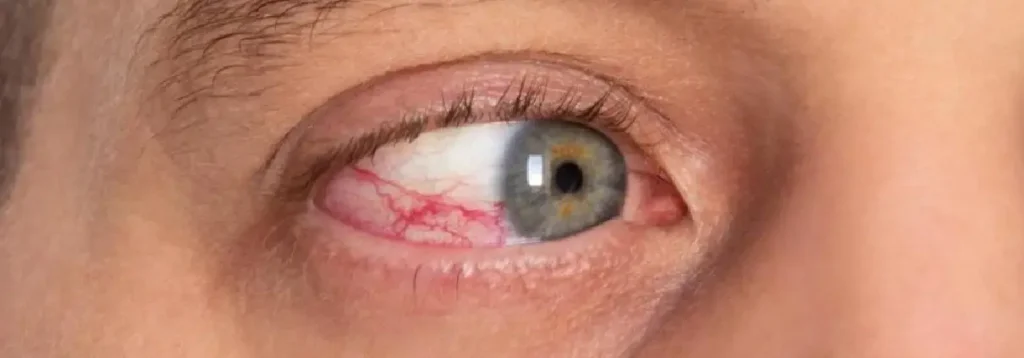
Your Vision Matters: Understanding Blurred Vision, Cloudiness & Cornea Transplant Options Many people who experience blurred vision, cloudy eyesight, recurring eye redness, or corneal scarring feel confused and anxious about what is happening to their eyes. We hear the same questions from patients every day: “Why is my vision suddenly getting blurry?” “What exactly is the cornea?” “Is a corneal transplant safe?” “Where can I find the best cornea specialist in Delhi?” You deserve clear, simple answers so you can understand your condition and make informed decisions about your eye health. At Mohan Eye Institute, our team has treated thousands of patients with corneal diseases at our Delhi-based eye hospital. This guide has been created to help you understand the cornea symptoms, causes, and treatment, and when a transplant is truly needed. What Is the Cornea? The cornea is the clear, curved front surface of your eye. You can think of it as your eye’s transparent shield. It performs two crucial functions: 1. It focuses light so you can see clearly. The cornea bends and directs incoming light toward the retina, giving you sharp vision. 2. It protects your eye from dust, germs, and injury. It acts like a natural defense barrier. When the cornea becomes scarred, swollen, infected, or misshaped, vision becomes blurry and glasses usually cannot correct it. This is why so many people search for: “what is cornea in eye,” “cornea symptoms and treatment,” “cornea causes,” and “best eye hospital in Delhi for cornea problems.” Why Do Corneal Problems Develop? Corneal diseases can occur for a variety of reasons, including: Keratoconus A progressive condition that causes the cornea to become thin and cone-shaped. Infections Bacterial, fungal, or viral infections that damage the cornea. Severe dryness or inflammation When untreated, they can lead to corneal damage. Injuries or chemical exposure Accidents and trauma can cause corneal scarring. Genetic corneal dystrophies Inherited conditions that affect corneal clarity. Post-surgery complications Rare, but possible after certain procedures. Early diagnosis helps prevent permanent damage and may even avoid the need for a transplant. Corneal Symptoms You Should Pay Attention To Many patients come to us after searching online for cornea symptoms, blurry eyes, cloudy vision, eye strain, and halo effects. Common symptoms include: Blurry or hazy vision Sudden change in eyesight Redness or irritation Eye pain or heaviness Sensitivity to light Halos around lights Poor night vision Excessive tearing If you notice these symptoms for more than 2–3 days, you should see a cornea specialist in Delhi before the condition becomes more serious. How Are Corneal Diseases Treated? Your treatment depends on the root cause of the problem. At Mohan Eye Institute, we follow a structured, expert-led approach: 1. Medicines & Eye Drops To treat infections, swelling, dryness, and inflammation. 2. Specialized Contact Lenses Scleral or rigid gas-permeable (RGP) lenses are used for keratoconus and irregular corneas. 3. Minimally Invasive Procedures Corneal collagen cross-linking (CXL), superficial keratectomy, etc. 4. Cornea Transplant Surgery Required when the cornea is severely damaged or scarred. What Is a Corneal Transplant? Is the Surgery Safe? A corneal transplant is a surgical procedure where the damaged cornea is replaced with a healthy donor cornea to help restore clear vision. At Mohan Eye Institute, we perform all modern transplant techniques, including: Penetrating Keratoplasty (PK) DALK (Deep Anterior Lamellar Keratoplasty) DSEK / DMEK (Endothelial Transplants) Emergency cornea transplants for injuries or infections All procedures are performed using advanced microscopes, sterile OT environments, and highly experienced cornea surgeons, ensuring excellent safety and outcomes. Why Patients Across India Trust Mohan Eye Institute for Highly Experienced Cornea Specialists Our surgeons have decades of experience treating complex corneal diseases and performing transplants. Dedicated Eye Bank Ensures safe, high-quality donor corneas for better surgical success. Advanced Technology & OT Standards State-of-the-art microsurgical instruments and imaging systems. Complete Care Under One Roof From diagnosis to surgery to post-operative follow-ups. Known as One of Delhi’s Top Eye Hospitals Especially for advanced cornea treatment and transplant surgery. When Should You Visit a Cornea Specialist? Do not delay a consultation if you experience: Vision that doesn’t improve with glasses Scarring from infection or injury Cloudy or distorted vision Halos and glare affecting daily tasks Persistent eye redness or discomfort Early evaluation protects you from long-term vision loss. Take the First Step Towards Clear Vision If your doctor has recommended a corneal evaluation, or you’re noticing symptoms that concern you, don’t wait. Book an appointment with a Cornea Specialist at Mohan Eye Institute. Your eyes deserve expert care and timely treatment. FAQs: Cornea Symptoms & Treatment. 1. What is the cornea? It’s the transparent front layer of the eye that helps you see clearly and protects the eye. 2. What does the cornea do? It focuses light and shields the eye from dust, germs, and injury. 3. Who is the best cornea doctor in Delhi? A doctor with extensive experience in corneal diseases and transplant surgery. Mohan Eye Institute’s senior specialists are among the most trusted in Delhi. 4. Which is the best cornea hospital in Delhi? A hospital with expert surgeons, advanced diagnostics, and high transplant success rates. Mohan Eye Institute is widely recognized for cornea care and transplants. 5. What is cornea treatment? Depending on the condition, treatment may include medicines, special lenses, minimally invasive procedures, or a corneal transplant. 6. What is a corneal transplant? A surgery where a damaged or diseased cornea is replaced with a donor cornea to restore vision. 7. What are symptoms and treatment for corneal disease? Symptoms include blurred vision, redness, pain, and light sensitivity. Treatment ranges from drops to surgery. 8. What are signs of corneal disease? Cloudiness, halos, discomfort, or sudden vision changes require immediate evaluation.
Best Hospital for Glaucoma Treatment in Delhi
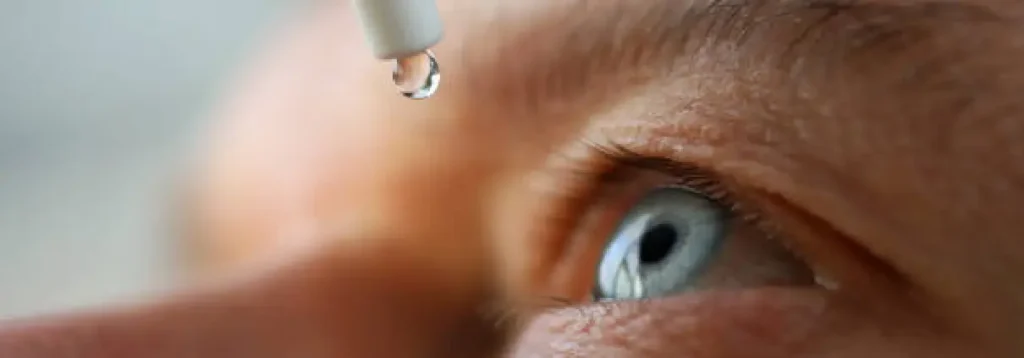
Which is the Best Eye Hospital for Glaucoma Treatment in Delhi? If you or a loved one has been diagnosed with high eye pressure or early signs of glaucoma, you’ve probably searched: “Best eye hospital in Delhi for glaucoma” “Best glaucoma doctor in Delhi” “Best glaucoma treatment in Delhi” “Glaucoma surgery in Delhi” For over 40 years, patients have trusted Mohan Eye Institute, one of the best eye hospital in Delhi for glaucoma treatment, offering early detection, medical management, laser therapy, and advanced glaucoma surgeries under one roof. Why Choose MEI for Glaucoma Treatment in Delhi? Best Glaucoma Specialists in Delhi: Our team includes some of the best glaucoma specialist doctors in Delhi, experienced in managing complex cases and preventing vision loss. Advanced Diagnostic Tools: We use tonometry, optic nerve imaging, visual field analysis, and OCT to detect glaucoma early and monitor its progression accurately. Comprehensive Glaucoma Treatment: From eye drops and laser therapies (SLT, YAG) to advanced glaucoma surgery in Delhi like trabeculectomy and drainage implants, we provide complete care. Personalized Care for Long-Term Vision Protection: Glaucoma is known as the “silent thief of sight”. We focus on customized treatment plans to preserve your vision for life. Who Should Get Glaucoma Screening? People above 40 years of age Individuals with family history of glaucoma Patients with diabetes, hypertension, or high myopia Anyone experiencing eye pain, halos, or gradual loss of peripheral vision Early detection and regular monitoring can prevent permanent vision loss. Why Patients Seek Our Glaucoma Care Fear of permanent blindness due to glaucoma Confusion about lifelong eye drops or surgery requirements Difficulty finding a reliable glaucoma expert in Delhi Emotional stress of living with a chronic condition We provide detailed counseling, transparent communication, and compassionate support, ensuring patients feel confident and informed about their treatment journey. Why is Mohan Eye Institute the Best Choice for Glaucoma Treatment in Delhi? 40+ years of trusted eye care excellence Dedicated glaucoma specialists using modern laser and surgical techniques Central location in Karol Bagh, easily accessible from Dwarka, South Delhi, and NCR Thousands of satisfied patients whose vision has been preserved When people search for “best glaucoma doctor in Delhi” or “glaucoma specialist doctor in Delhi”, MEI stands out as a trusted and ethical hospital choice. FAQs – Glaucoma Treatment in Delhi 1. What is the best eye hospital in Delhi for glaucoma treatment? Mohan Eye Institute is recognized among the best eye hospital in Delhi for glaucoma treatment, offering early detection, advanced laser therapy, and glaucoma surgeries with experienced specialists. 2. Who is the best glaucoma doctor in Delhi? Our team includes highly skilled glaucoma specialist doctors in Delhi, trained to manage complex cases and perform advanced glaucoma surgery in Delhi with precision. 3. Is glaucoma treatment painful? Most glaucoma treatments, including laser therapies, are painless. Surgical options are performed under anesthesia for maximum comfort and safety. 4. Can glaucoma be cured completely? Glaucoma cannot be reversed, but early detection and proper treatment prevent vision loss and maintain a good quality of life. 5. How much does glaucoma treatment cost in Delhi? The cost of glaucoma treatment in Delhi depends on whether you need eye drops, laser therapy, or glaucoma surgery in Delhi. Mohan Eye Institute offers transparent pricing and insurance support. 6. Why choose Mohan Eye Institute for glaucoma treatment? Because we combine expert glaucoma doctors, advanced diagnostics, modern surgical techniques, and compassionate care, making us one of the best hospital for glaucoma treatment in Delhi. Looking for the Best Glaucoma Specialist in Delhi? Don’t wait until vision loss becomes irreversible. Book your glaucoma consultation today at Mohan Eye Institute and protect your sight for life with the best glaucoma treatment in Delhi.