Conjunctivitis (Pink Eye): Types, Symptoms, Causes & Treatment in Delhi
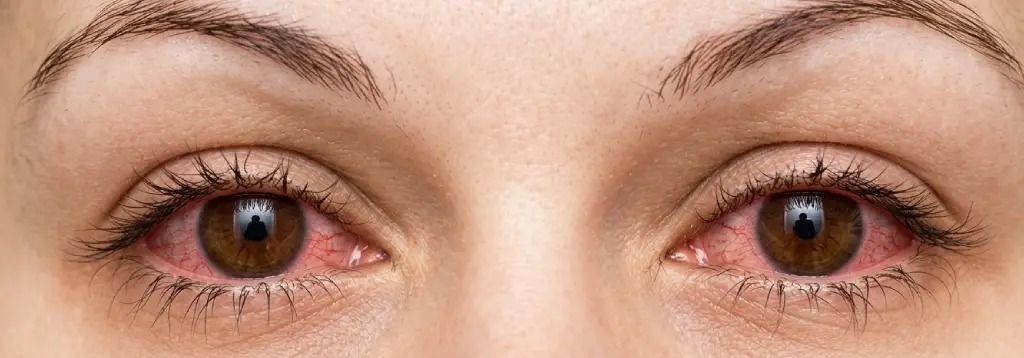
Did your eye suddenly turn red?Are you experiencing itching, watering, or sticky discharge?Is one eye infected and the other starting to feel irritated? You may be dealing with conjunctivitis, commonly called pink eye – one of the most common eye infections affecting both adults and children. The good news?Most cases are treatable, but the right diagnosis matters because treatment depends on the type. This guide explains everything clearly: What Is Conjunctivitis Eye? Conjunctivitis is inflammation of the conjunctiva, the thin transparent layer covering the white part of your eye. When this layer becomes inflamed: It can affect: Eye Conjunctivitis is usually not dangerous, but some types need urgent treatment to prevent complications. Eye Conjunctivitis Symptoms Common symptoms of conjunctivitis eye include: Pink eye symptoms may vary depending on the type of conjunctivitis. Causes of Eye Conjunctivitis Conjunctivitis can be caused by: Viral infection Most common causeHighly contagiousOften spreads through contact Bacterial infection Caused by bacteriaProduces sticky dischargeCan affect both eyes Allergies Triggered by: Other causes Types of Eye Conjunctivitis Understanding the type helps determine the right treatment. Viral Conjunctivitis Most common typeSpreads easilyOften associated with cold or flu Symptoms: Bacterial Conjunctivitis Caused by bacterial infection. Symptoms: Requires antibiotic treatment. Allergic Conjunctivitis Triggered by allergens. Symptoms: Not contagious. Conjunctivitis Treatment Treatment depends on the type of conjunctivitis. Viral Conjunctivitis Treatment Usually resolves on its own in 5–7 days. Treatment includes: Antibiotics are not required for viral conjunctivitis. Bacterial Conjunctivitis Treatment Requires antibiotic eye drops or ointment. Treatment includes: Most cases improve within 2–3 days. Allergic Conjunctivitis Treatment Treatment focuses on allergy control. Treatment includes: Recurring cases need specialist evaluation. When Should You See an Eye Doctor? Visit an eye specialist if: Early treatment prevents spread and complications Best Conjunctivitis Treatment Doctors in Delhi If you are looking for pink eye treatment in Delhi, consult an experienced eye specialist who can: People search for: Choosing a specialized eye hospital ensures accurate diagnosis and faster recovery. Best Eye Hospital for Conjunctivitis Treatment in Delhi A good eye hospital for conjunctivitis treatment should offer: Whether you are in: Consulting an experienced eye specialist helps avoid complications. How to Prevent Conjunctivitis To reduce risk: FAQs – Conjunctivitis Eye What is conjunctivitis? Conjunctivitis, also called pink eye, is inflammation of the conjunctiva – the thin transparent layer covering the white part of the eye and inner eyelids. When this layer becomes inflamed, the eye turns red and irritated. What is allergic conjunctivitis? Allergic conjunctivitis is eye inflammation caused by allergens like dust, pollen, or pollution. It usually affects both eyes and is not contagious. Common symptoms include itching, redness, watering, and swollen eyelids. Treatment includes anti-allergy eye drops, lubricating drops, cold compress, and avoiding triggers. What is viral conjunctivitis? Viral conjunctivitis is a contagious eye infection caused by viruses. It typically starts in one eye and spreads to the other. Symptoms include redness, watery discharge, irritation, and mild swelling. Viral conjunctivitis usually clears in 5–7 days. Treatment includes lubricating drops, cold compress, and proper eye hygiene. What is bacterial conjunctivitis? Bacterial conjunctivitis is an eye infection caused by bacteria. It leads to thick yellow or green discharge, sticky eyelids, and redness. Both eyes may be affected. Treatment includes antibiotic eye drops, eye cleaning, and doctor consultation. Most cases improve within a few days. What is acute conjunctivitis? Acute conjunctivitis is sudden eye redness and irritation that develops quickly. It may be viral, bacterial, or allergic. Symptoms include redness, watering, discharge, and discomfort. Acute conjunctivitis usually lasts less than 1–2 weeks and improves with appropriate treatment. What is vernal conjunctivitis? Vernal conjunctivitis is a severe form of allergic conjunctivitis, common in children and young adults. Symptoms include intense itching, redness, thick mucus discharge, and light sensitivity. It often worsens in summer. Treatment includes anti-allergy drops, lubricants, and doctor-prescribed medication. What is follicular conjunctivitis? Follicular conjunctivitis is a type of conjunctivitis with small round follicles inside the eyelid. It is usually caused by viral infection or chlamydia. Symptoms include redness, watering, and irritation. Treatment depends on the cause and may include lubricating drops or antibiotics. Follicular conjunctivitis vs papillary conjunctivitis Follicular conjunctivitis Papillary conjunctivitis What is the treatment for conjunctivitis? Conjunctivitis treatment depends on the type: Early treatment helps prevent spread and complications. What is pink eye treatment? Pink eye treatment includes eye drops, hygiene care, and doctor consultation depending on whether it is viral, bacterial, or allergic. How long does conjunctivitis last? Viral conjunctivitis lasts 5–7 days. Bacterial conjunctivitis improves within 2–3 days with treatment. Is conjunctivitis contagious? Viral and bacterial conjunctivitis are contagious. Allergic conjunctivitis is not contagious. Can conjunctivitis affect both eyes? Yes. It often starts in one eye and spreads to the other. What is the best treatment for bacterial conjunctivitis? Antibiotic eye drops prescribed by an eye doctor are the best treatment. What is allergic conjunctivitis treatment? Anti-allergy eye drops, artificial tears, and avoiding allergens help treat allergic conjunctivitis.
Diabetic Eye Disease: Symptoms, Causes, & Treatment
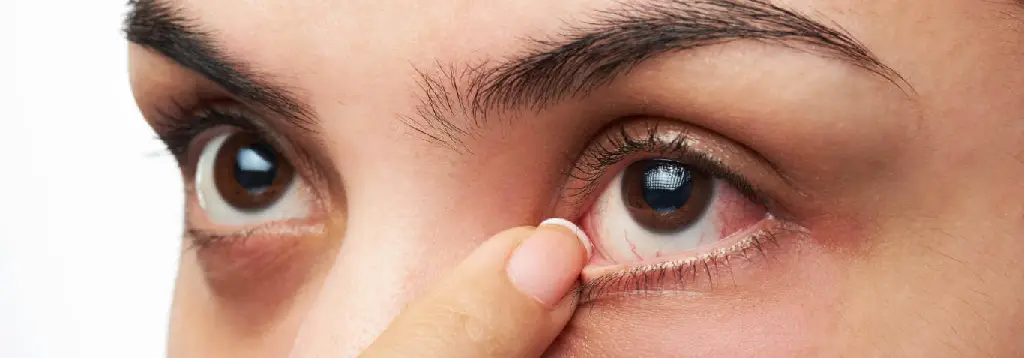
What Is Diabetic Eye Disease? Symptoms, Causes & Treatment If you are living with diabetes, your eyes need extra care. Many people don’t realize that diabetes can quietly damage vision long before any pain or obvious symptoms appear. This condition is known as diabetic eye disease, and it is one of the leading causes of vision problems worldwide – yet it is highly preventable when detected early. Let’s break it down simply, without medical jargon, so you know exactly what to watch for and when to act. What Is Diabetic Eye Disease? Diabetic eye disease is a group of eye problems caused by long-term high blood sugar levels. Over time, excess sugar damages the tiny blood vessels in the eyes, especially in the retina – the light-sensitive layer at the back of the eye. These changes can slowly affect vision and, if ignored, may even lead to permanent vision loss. The most common diabetic eye problems include: The concerning part? Many people have no symptoms in the early stages. What Causes Diabetic Eye Disease? The main cause of diabetic eye disease is poor or long-standing blood sugar control. However, several factors increase the risk: When blood sugar stays high, it weakens the blood vessels in the eyes. These vessels may leak, swell, or get blocked – slowly affecting vision. Early Signs of Diabetic Eye Disease You Shouldn’t Ignore In the early stages, diabetic eye disease often has no noticeable symptoms, which is why routine eye checks are so important. As the condition progresses, common diabetic eye problems signs and symptoms include: If you notice any of these symptoms, it’s time to consult a diabetic eye specialist immediately. Why Diabetic Eye Screening Is So Important Many patients ask, “My vision feels fine – do I still need an eye check?”The answer is yes. A comprehensive diabetic eye screening can detect damage before vision is affected. Early diagnosis allows doctors to slow or stop progression and protect eyesight. Experts recommend: Treatment for Diabetic Eye Disease The treatment for diabetic eye problems depends on the stage of the disease. Early diabetic eye disease may only require monitoring and better sugar control. Advanced stages may need medical intervention. Common treatment options include: The key message is simple: early diabetic eye treatment works best. Can Diabetic Eye Disease Be Prevented? While diabetes cannot always be avoided, vision loss often can. Simple steps that protect your eyes include: Choosing the Right Eye Hospital Matters Managing diabetic eye disease requires experience, advanced diagnostics, and long-term follow-up. Choosing the best eye hospital for diabetic retinopathy in India or a trusted center locally can make a major difference in outcomes. If you are searching for the best eye hospital for diabetic eye treatment in Delhi, centres like Mohan Eye Institute offer specialized diabetic eye care, advanced screening tools, and expert retinal specialists – all under one roof. Final Thought Diabetic eye disease doesn’t appear overnight, and it doesn’t have to steal your vision. With awareness, regular screening, and timely treatment, most vision loss can be prevented. If you or a loved one has diabetes, don’t wait for symptoms. Protect your vision early, because your eyes deserve lifelong care. FAQs: Diabetic Eye Disease What is diabetic eye disease? Diabetic eye disease is a condition where high blood sugar damages the blood vessels in the eyes. Over time, this can affect vision and may lead to diabetic retinopathy, swelling of the retina, or vision loss if not treated early. What are the early signs of diabetic eye disease? Early signs of diabetic eye disease may be very mild or not noticeable at all. Common early symptoms include blurry vision, frequent change in spectacle number, floaters, difficulty seeing at night, or eye strain. Can diabetic eye disease occur without symptoms? Yes. In many cases, diabetic eye disease develops silently without pain or visible symptoms. That is why regular diabetic eye screening is essential, even if your vision feels normal. When should I see a diabetic eye specialist? You should consult a diabetic eye specialist if you have diabetes for more than 5 years, notice vision changes, see floaters, experience blurred vision, or have never had a diabetic eye screening. Which is the best eye hospital for diabetic eye treatment in Delhi? Choosing a hospital with experienced retinal specialists and advanced diagnostic facilities is crucial. Leading centres like Mohan Eye Institute are known for comprehensive diabetic eye screening and treatment in Delhi.
Children’s Eye Health: Common Eye Problems, Symptoms & Care
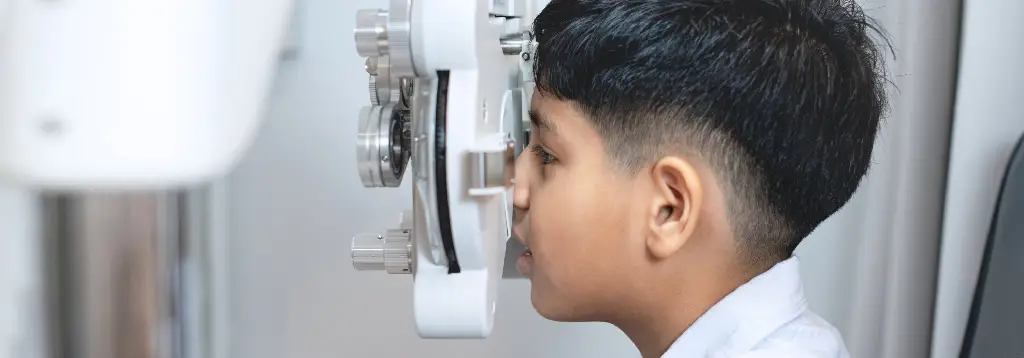
Children’s Eye Health: Common Eye Problems, Symptoms & Care Every Parent Should Know As a parent, you notice everything about your child, how they eat, sleep, study, and play. But one thing that often goes unnoticed is your child’s eye health. Children rarely complain clearly about vision problems, and many eye issues develop silently. If your child spends long hours on mobile phones, tablets, or laptops, rubs their eyes often, or struggles with reading, it may be more than just tiredness. Let’s talk openly about children’s eye health, the most common eye problems in kids, and how you can protect your child’s vision early. Why Children’s Eye Health Deserves More Attention Good vision plays a major role in a child’s learning, confidence, and overall development. Almost 80% of learning in early years is visual, yet many eyesight problems in children go undetected because kids don’t always know how to explain what they’re experiencing. Parents usually come to a clinic saying: These are often early signs of eye problems in kids. Common Eye Problems in Kids Some eye problems are very common during childhood and can affect school performance and daily activities if not treated on time. 1. Refractive Errors (Need for Glasses) This includes short-sightedness (myopia), long-sightedness, and astigmatism. Children may not say “I can’t see clearly,” but their behavior gives clues. 2. Digital Eye Strain Due to Mobile Screens Excessive mobile screen time in children causes digital eye strain, especially with online classes, gaming, and reels. 3. Eye Allergies & Infections Redness, itching, watery eyes, and frequent eye rubbing are common, especially during seasonal changes. 4. Lazy Eye or Squint These conditions often start early and respond best when treated at a young age. Symptoms of Eye Problems in Kids Parents Should Watch For Children may not say “my eyes hurt,” but they show it in other ways. Eye problems in child symptoms often include: These child eye problems symptoms should never be ignored. Eye Problems in Children Due to Mobile & Screen Time One of the biggest concerns today is eye problems in kids due to mobile phones. Symptoms of Too Much Screen Time on Eyes These are classic eye strain child symptoms, commonly grouped as Digital Eye Strain in children. How Parents Can Protect Children’s Eye Health Good children eye care starts at home with simple habits: Most importantly, schedule regular eye check-ups for children. When Should Your Child Have an Eye Check-Up? Many parents wait until a problem becomes obvious. But experts recommend: A routine eye check-up for children can detect problems long before they affect vision permanently. Why Seeing a Pediatric Eye Specialist Matters Children’s eyes are still developing. That’s why evaluation by a pediatric eye specialist is important. They understand how children respond, how vision develops, and how to detect subtle issues early. If you’re looking for a trusted pediatric eye specialist in Delhi, centres like Mohan Eye Institute provide comprehensive eye screening for children, experienced specialists, and child-friendly diagnostics – helping parents get clarity and peace of mind. Final Message for Parents Your child may not complain loudly about eye problems, but their eyes may still be struggling. Early care makes a lifelong difference. If your child has frequent screen exposure, headaches, or vision-related difficulties, don’t wait. Healthy eyes today mean confident learning tomorrow. FAQs: Children’s Eye Health What is eye strain in a child? Eye strain in children happens when the eyes are tired from long screen use, reading without breaks, or poor lighting. It commonly causes headaches, burning eyes, blurred vision, and frequent eye rubbing. What are the common symptoms of eye problems in kids? Common child eye problem symptoms include blurry vision, headaches, sitting close to screens, watery or red eyes, difficulty reading, and tired eyes after screen use. When should I take my child for an eye check-up? You should get an eye check-up if your child complains of headaches, blurry vision, eye strain, or uses screens daily. Even without symptoms, annual eye exams are recommended. Can too much mobile screen time affect a child’s eyesight? Yes. Excessive mobile screen time can cause digital eye strain, headaches, dry eyes, and may worsen eyesight over time if breaks and eye check-ups are ignored. What is the 20-20-20 rule for eyes? The 20-20-20 rule for eyes is a simple and effective way to reduce eye strain in children, especially from mobile phones, tablets, and online classes. It means: This short break helps relax the eye muscles, reduces dryness, and prevents digital eye strain caused by excessive screen time in children. Parents can make it fun by asking children to look out of a window, at a tree, or across the room. Following the 20-20-20 rule for eyes regularly can significantly protect children’s eyesight in today’s screen-heavy lifestyle. Which is the best child eye specialist in Delhi? A good child eye specialist in Delhi is one who offers child-friendly eye exams, early diagnosis, and long-term vision care. Trusted centres like Mohan Eye Institute provide specialised pediatric eye care in Delhi. Which is the best child eye hospital in Delhi? The best child eye hospital in Delhi is one that offers complete eye screening, treatment for vision problems, and care for digital eye strain in children under one roof with experienced specialists.
Red Eyes: What Causes, Symptoms & Treatment
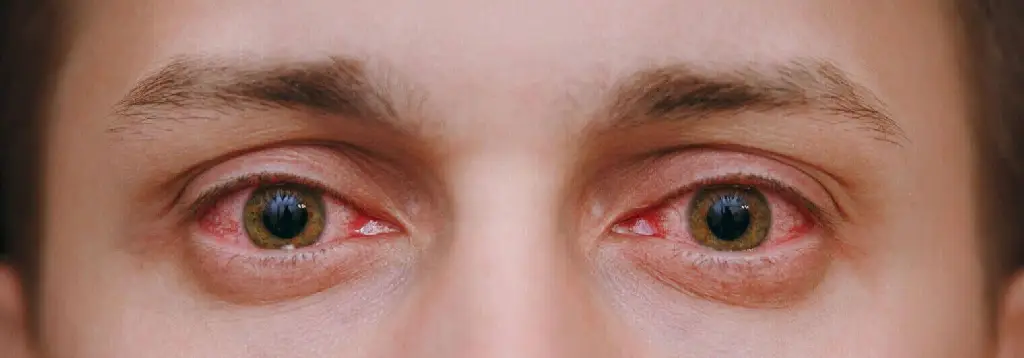
Dry Eye Syndrome and Symptoms If you’ve looked in the mirror and wondered, “What causes red eyes?” or “Why are my eyes red?”, you’re not alone. Red eyes are one of the most common eye complaints and also one of the most confusing. Sometimes it’s just tired eyes. Other times, it could be a sign of an eye condition that needs attention. Let’s understand what causes red eyes, how to recognise symptoms, and what you can do to treat and prevent eye redness clearly, calmly, and without medical jargon. What Causes Red Eyes? The most common reason eyes turn red is inflammation or irritation of the blood vessels on the eye surface. When these vessels expand, the eyes appear red. Some of the most common causes of red eyes include: So if you’re asking, “What is the reason for red eyes?”The answer depends on your symptoms and how long the redness lasts. Red Eyes Symptoms You Should Notice Redness can appear alone or with other symptoms. Red eyes symptoms may include: These red eye disease symptoms help doctors understand whether the problem is mild or needs treatment. Why Eyes Become Red Suddenly Many patients say, “My eyes were fine yesterday—why are they red today?” Sudden red eyes can be caused by: In most cases, redness settles with proper eye care – but not always. Red Eye Disease: When Is Redness Serious? While many cases are harmless, red eye disease refers to conditions where redness is a sign of infection or inflammation. Visit your nearest eye clinic or consult an eye doctor immediately if redness is accompanied by: These symptoms may indicate conjunctivitis, uveitis, corneal infection, or other eye conditions. How to Reduce Eye Redness at Home If symptoms are mild, you can try simple measures to reduce eye redness: These steps often help when redness is due to dryness or eye strain. How to Cure Red Eyes: When Treatment Is Needed Many people ask, “How to cure red eyes?”The answer depends on the cause. Red Eye Treatment May Include: Red eye causes and treatment must always be matched correctly. Using the wrong drops can sometimes worsen the problem, which is why self-medication should be avoided. When Should You See an Eye Doctor? You should consult an eye specialist if: Early evaluation helps prevent complications and speeds up recovery. Choosing the Best Eye Specialist in Delhi Not all red eyes are the same, and accurate diagnosis matters. When choosing an eye specialist, look for: Mohan Eye Institute offers comprehensive eye care in Delhi and specialised eye treatment, ensuring the cause is treated, not just the symptom. Best Eye Hospital in Delhi for Red Eye Treatment The best eye hospital in Delhi for red eye treatment is one that provides: If redness is due to dryness, allergy, infection, or inflammation, expert guidance ensures faster relief and protects long-term eye health. Final Takeaway Red eyes are common, but they shouldn’t be ignored. While mild redness often settles with rest and care, persistent or painful redness needs professional attention. If you’re frequently asking “why are my eyes red?”, it’s time to listen to your eyes. Early care keeps your vision clear, comfortable, and healthy. FAQs: What Causes Red Eyes? What causes red eyes most commonly? Red eyes are most commonly caused by eye strain, dry eyes, allergies, lack of sleep, excessive screen use, dust, smoke, or pollution. These irritate the eye surface and make blood vessels appear red. What is the reason for red eyes? Red eyes usually occur when the small blood vessels on the surface of the eye become irritated or inflamed. Common reasons include eye strain from screens, dry eyes, lack of sleep, allergies, dust or pollution, rubbing the eyes, or eye infections. Why do eyes become red after screen use? Long screen hours reduce blinking, which dries the eyes. This leads to irritation and redness, especially when using mobiles or laptops without breaks. Can lack of sleep cause red eyes? Yes. Poor or insufficient sleep can make the eyes dry and irritated, causing redness and discomfort the next day. Can dry eyes cause redness? Yes. Dry eyes are one of the most common reasons for red eyes. When the eyes are not properly lubricated, they become irritated and red. Do allergies cause red eyes? Yes. Eye allergies can cause redness, itching, watering, and irritation, especially during seasonal changes or exposure to dust and pollen. Can eye infections cause red eyes? Yes. Infections such as conjunctivitis can cause red eyes along with discharge, swelling, and discomfort. These cases usually need medical treatment. When is red eye a serious problem? Red eyes are serious if accompanied by eye pain, blurred vision, sensitivity to light, discharge, or redness that does not improve within 1–2 days. Medical evaluation is important in these cases. Should I see a doctor for red eyes? You should visit your nearest eye clinic or consult an eye doctor if redness keeps returning, causes pain or vision changes, or does not improve with rest and basic care. Which is the best eye hospital in Delhi for red eye treatment? The best eye hospital is one that offers accurate diagnosis, experienced eye specialists, and personalised eye treatment in Delhi. Mohan Eye Institute provides comprehensive eye care in Delhi.
Understanding Blurred Vision, Cloudiness & Cornea Transplant
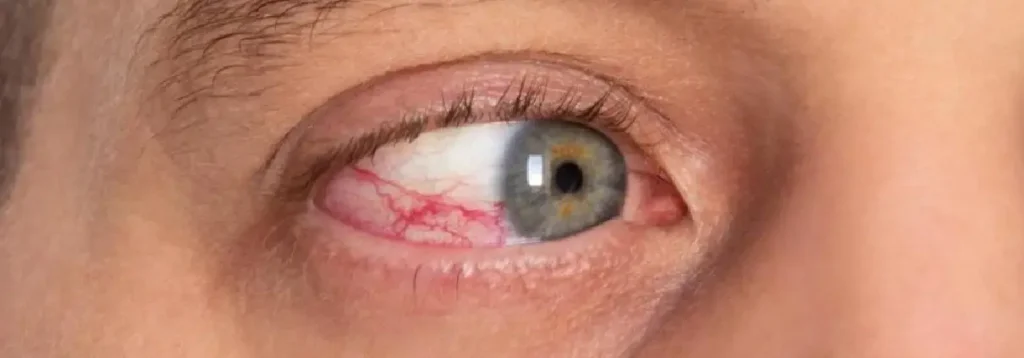
Your Vision Matters: Understanding Blurred Vision, Cloudiness & Cornea Transplant Options Many people who experience blurred vision, cloudy eyesight, recurring eye redness, or corneal scarring feel confused and anxious about what is happening to their eyes. We hear the same questions from patients every day: “Why is my vision suddenly getting blurry?” “What exactly is the cornea?” “Is a corneal transplant safe?” “Where can I find the best cornea specialist in Delhi?” You deserve clear, simple answers so you can understand your condition and make informed decisions about your eye health. At Mohan Eye Institute, our team has treated thousands of patients with corneal diseases at our Delhi-based eye hospital. This guide has been created to help you understand the cornea symptoms, causes, and treatment, and when a transplant is truly needed. What Is the Cornea? The cornea is the clear, curved front surface of your eye. You can think of it as your eye’s transparent shield. It performs two crucial functions: 1. It focuses light so you can see clearly. The cornea bends and directs incoming light toward the retina, giving you sharp vision. 2. It protects your eye from dust, germs, and injury. It acts like a natural defense barrier. When the cornea becomes scarred, swollen, infected, or misshaped, vision becomes blurry and glasses usually cannot correct it. This is why so many people search for: “what is cornea in eye,” “cornea symptoms and treatment,” “cornea causes,” and “best eye hospital in Delhi for cornea problems.” Why Do Corneal Problems Develop? Corneal diseases can occur for a variety of reasons, including: Keratoconus A progressive condition that causes the cornea to become thin and cone-shaped. Infections Bacterial, fungal, or viral infections that damage the cornea. Severe dryness or inflammation When untreated, they can lead to corneal damage. Injuries or chemical exposure Accidents and trauma can cause corneal scarring. Genetic corneal dystrophies Inherited conditions that affect corneal clarity. Post-surgery complications Rare, but possible after certain procedures. Early diagnosis helps prevent permanent damage and may even avoid the need for a transplant. Corneal Symptoms You Should Pay Attention To Many patients come to us after searching online for cornea symptoms, blurry eyes, cloudy vision, eye strain, and halo effects. Common symptoms include: Blurry or hazy vision Sudden change in eyesight Redness or irritation Eye pain or heaviness Sensitivity to light Halos around lights Poor night vision Excessive tearing If you notice these symptoms for more than 2–3 days, you should see a cornea specialist in Delhi before the condition becomes more serious. How Are Corneal Diseases Treated? Your treatment depends on the root cause of the problem. At Mohan Eye Institute, we follow a structured, expert-led approach: 1. Medicines & Eye Drops To treat infections, swelling, dryness, and inflammation. 2. Specialized Contact Lenses Scleral or rigid gas-permeable (RGP) lenses are used for keratoconus and irregular corneas. 3. Minimally Invasive Procedures Corneal collagen cross-linking (CXL), superficial keratectomy, etc. 4. Cornea Transplant Surgery Required when the cornea is severely damaged or scarred. What Is a Corneal Transplant? Is the Surgery Safe? A corneal transplant is a surgical procedure where the damaged cornea is replaced with a healthy donor cornea to help restore clear vision. At Mohan Eye Institute, we perform all modern transplant techniques, including: Penetrating Keratoplasty (PK) DALK (Deep Anterior Lamellar Keratoplasty) DSEK / DMEK (Endothelial Transplants) Emergency cornea transplants for injuries or infections All procedures are performed using advanced microscopes, sterile OT environments, and highly experienced cornea surgeons, ensuring excellent safety and outcomes. Why Patients Across India Trust Mohan Eye Institute for Highly Experienced Cornea Specialists Our surgeons have decades of experience treating complex corneal diseases and performing transplants. Dedicated Eye Bank Ensures safe, high-quality donor corneas for better surgical success. Advanced Technology & OT Standards State-of-the-art microsurgical instruments and imaging systems. Complete Care Under One Roof From diagnosis to surgery to post-operative follow-ups. Known as One of Delhi’s Top Eye Hospitals Especially for advanced cornea treatment and transplant surgery. When Should You Visit a Cornea Specialist? Do not delay a consultation if you experience: Vision that doesn’t improve with glasses Scarring from infection or injury Cloudy or distorted vision Halos and glare affecting daily tasks Persistent eye redness or discomfort Early evaluation protects you from long-term vision loss. Take the First Step Towards Clear Vision If your doctor has recommended a corneal evaluation, or you’re noticing symptoms that concern you, don’t wait. Book an appointment with a Cornea Specialist at Mohan Eye Institute. Your eyes deserve expert care and timely treatment. FAQs: Cornea Symptoms & Treatment. 1. What is the cornea? It’s the transparent front layer of the eye that helps you see clearly and protects the eye. 2. What does the cornea do? It focuses light and shields the eye from dust, germs, and injury. 3. Who is the best cornea doctor in Delhi? A doctor with extensive experience in corneal diseases and transplant surgery. Mohan Eye Institute’s senior specialists are among the most trusted in Delhi. 4. Which is the best cornea hospital in Delhi? A hospital with expert surgeons, advanced diagnostics, and high transplant success rates. Mohan Eye Institute is widely recognized for cornea care and transplants. 5. What is cornea treatment? Depending on the condition, treatment may include medicines, special lenses, minimally invasive procedures, or a corneal transplant. 6. What is a corneal transplant? A surgery where a damaged or diseased cornea is replaced with a donor cornea to restore vision. 7. What are symptoms and treatment for corneal disease? Symptoms include blurred vision, redness, pain, and light sensitivity. Treatment ranges from drops to surgery. 8. What are signs of corneal disease? Cloudiness, halos, discomfort, or sudden vision changes require immediate evaluation.
Best Hospital for Glaucoma Treatment in Delhi
Which is the Best Eye Hospital for Glaucoma Treatment in Delhi? If you or a loved one has been diagnosed with high eye pressure or early signs of glaucoma, you’ve probably searched: “Best eye hospital in Delhi for glaucoma” “Best glaucoma doctor in Delhi” “Best glaucoma treatment in Delhi” “Glaucoma surgery in Delhi” For over 40 years, patients have trusted Mohan Eye Institute, one of the best eye hospital in Delhi for glaucoma treatment, offering early detection, medical management, laser therapy, and advanced glaucoma surgeries under one roof. Why Choose MEI for Glaucoma Treatment in Delhi? Best Glaucoma Specialists in Delhi: Our team includes some of the best glaucoma specialist doctors in Delhi, experienced in managing complex cases and preventing vision loss. Advanced Diagnostic Tools: We use tonometry, optic nerve imaging, visual field analysis, and OCT to detect glaucoma early and monitor its progression accurately. Comprehensive Glaucoma Treatment: From eye drops and laser therapies (SLT, YAG) to advanced glaucoma surgery in Delhi like trabeculectomy and drainage implants, we provide complete care. Personalized Care for Long-Term Vision Protection: Glaucoma is known as the “silent thief of sight”. We focus on customized treatment plans to preserve your vision for life. Who Should Get Glaucoma Screening? People above 40 years of age Individuals with family history of glaucoma Patients with diabetes, hypertension, or high myopia Anyone experiencing eye pain, halos, or gradual loss of peripheral vision Early detection and regular monitoring can prevent permanent vision loss. Why Patients Seek Our Glaucoma Care Fear of permanent blindness due to glaucoma Confusion about lifelong eye drops or surgery requirements Difficulty finding a reliable glaucoma expert in Delhi Emotional stress of living with a chronic condition We provide detailed counseling, transparent communication, and compassionate support, ensuring patients feel confident and informed about their treatment journey. Why is Mohan Eye Institute the Best Choice for Glaucoma Treatment in Delhi? 40+ years of trusted eye care excellence Dedicated glaucoma specialists using modern laser and surgical techniques Central location in Karol Bagh, easily accessible from Dwarka, South Delhi, and NCR Thousands of satisfied patients whose vision has been preserved When people search for “best glaucoma doctor in Delhi” or “glaucoma specialist doctor in Delhi”, MEI stands out as a trusted and ethical hospital choice. FAQs – Glaucoma Treatment in Delhi 1. What is the best eye hospital in Delhi for glaucoma treatment? Mohan Eye Institute is recognized among the best eye hospital in Delhi for glaucoma treatment, offering early detection, advanced laser therapy, and glaucoma surgeries with experienced specialists. 2. Who is the best glaucoma doctor in Delhi? Our team includes highly skilled glaucoma specialist doctors in Delhi, trained to manage complex cases and perform advanced glaucoma surgery in Delhi with precision. 3. Is glaucoma treatment painful? Most glaucoma treatments, including laser therapies, are painless. Surgical options are performed under anesthesia for maximum comfort and safety. 4. Can glaucoma be cured completely? Glaucoma cannot be reversed, but early detection and proper treatment prevent vision loss and maintain a good quality of life. 5. How much does glaucoma treatment cost in Delhi? The cost of glaucoma treatment in Delhi depends on whether you need eye drops, laser therapy, or glaucoma surgery in Delhi. Mohan Eye Institute offers transparent pricing and insurance support. 6. Why choose Mohan Eye Institute for glaucoma treatment? Because we combine expert glaucoma doctors, advanced diagnostics, modern surgical techniques, and compassionate care, making us one of the best hospital for glaucoma treatment in Delhi. Looking for the Best Glaucoma Specialist in Delhi? Don’t wait until vision loss becomes irreversible. Book your glaucoma consultation today at Mohan Eye Institute and protect your sight for life with the best glaucoma treatment in Delhi.
Cornea & Keratoconus Treatment in Delhi
Which is the Best Hospital for Keratoconus Treatment in Delhi? If you have been experiencing blurred or distorted vision, frequent glare, or progressive corneal thinning, you may have searched for: “Best Keratoconus specialist in Delhi” “Keratoconus treatment in delhi” “Best keratoconus hospital in Delhi” “Best keratoconus doctor” Why Do Patients Choose Mohan Eye Institute for Keratoconus Treatment in Delhi? Many patients across Delhi trust Mohan Eye Institute for corneal and keratoconus treatment. With experienced specialists and advanced technology, we provide precise care and lasting results. Best Keratoconus Specialists in Delhi: Our team includes some of the best eye surgeons in Delhi, experienced in treating keratoconus, corneal infections, ocular surface disorders, and complex corneal transplants. Advanced Treatments: We offer Collagen Cross-Linking (C3R), INTACS ring implantation, pterygium surgery, and corneal transplants (keratoplasty) to restore vision and halt disease progression. Comprehensive Dry Eye & Surface Disorder Care: From mild dry eye to advanced autoimmune corneal diseases, we offer customized treatment solutions. Modern Diagnostic Systems: Our advanced diagnostic tools, including specular microscopy, corneal topography, and pachymetry, enable accurate corneal mapping and precise treatment planning for successful outcomes. Who Needs Cornea or Keratoconus Treatment? Patients with blurry or distorted vision despite glasses People experiencing progressive thinning or cone-shaped bulging of the cornea (keratoconus) Individuals with corneal scarring due to infection, trauma, or hereditary conditions Patients with severe dry eye causing chronic irritation and discomfort, or risk of corneal damage Common Patient Pain Points We Solve Many patients face challenges when dealing with corneal and keratoconus conditions: Fear of permanent vision loss due to corneal diseases Confusion about treatment options, such as keratoconus C3R, INTACS, or corneal transplant. Difficulty finding trusted cornea specialist doctors in Delhi Emotional stress of managing progressive eye disorders We focus on awareness, transparent communication, and compassionate support, ensuring patients feel secure and well-informed. Why is Mohan Eye Institute the Best Choice for Corneal & Keratoconus Treatment in Delhi? 40+ years of trusted legacy in advanced eye care State-of-the-art operation theaters and diagnostic systems Thousands of successful cornea and keratoconus surgeries Centrally located in Karol Bagh, easily accessible from across Delhi NCR and beyond Affordable cornea & keratoconus treatment cost in Delhi When people search for “best keratoconus specialist in Delhi” or “best hospital for keratoconus treatment in Delhi”, MEI is a trusted name for comprehensive treatment in Delhi. Looking for the Best Cornea Specialist or Keratoconus Treatment in Delhi? Your vision deserves expert care from some of the best eye hospital in Delhi. Whether you need keratoconus treatment, dry eye management, or a corneal transplant, Mohan Eye Institute offers world-class care and proven outcomes. Book Your Consultation Today Experience why patients consider us one of the best eye hospital for cornea and keratoconus treatment in Delhi, with expert care and excellent outcomes. FAQs – Cornea & Keratoconus Treatment in Delhi 1. What is the best hospital for keratoconus treatment in Delhi? Mohan Eye Institute is recognized as one of the best hospital for keratoconus treatment in Delhi, offering Collagen Cross-Linking (C3R), INTACS, and corneal transplantation for effective vision correction. 2. Who is the best keratoconus specialist in Delhi? Our top cornea specialists in Delhi are highly experienced in keratoconus treatment, including C3R, INTACS, and corneal transplant, delivering high success rates and improved vision outcomes. 3. What is the keratoconus surgery cost in Delhi? Keratoconus treatment cost in Delhi varies by procedure, like C3R, INTACS, or corneal transplant. At Mohan Eye Institute, we provide transparent pricing with insurance support for affordable care. 4. Is keratoconus treatable without surgery? Yes, Early-stage keratoconus can be managed with Collagen Cross-Linking (C3R) to stop progression and avoid transplant. Advanced cases may need INTACS or corneal transplantation. 5. Why choose MEI for Keratoconus treatment in Delhi? We have top eye surgeons, advanced diagnostic systems, affordable pricing, and a proven track record of successful treatments, making us a trusted hospital for corneal and keratoconus care.
General Eye Checkup & Preventive Eye Care in Delhi
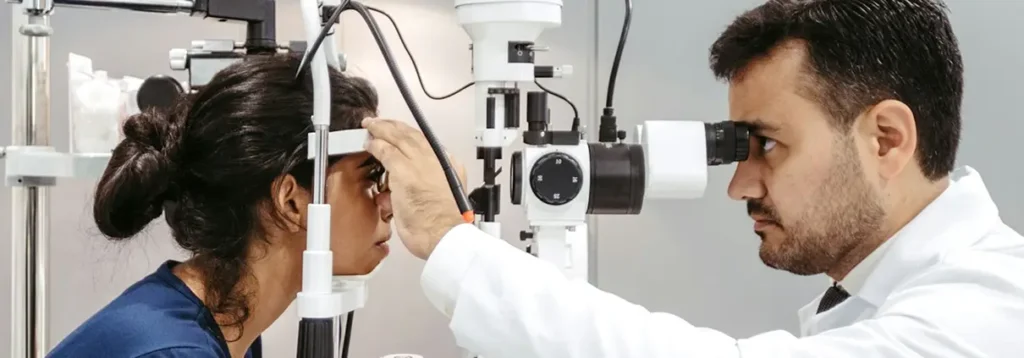
Which is the best hospital for routine eye checkup in Delhi? If you experience frequent headaches, blurred vision, or spend long hours on digital screens, you might be wondering “Where can I get the best eye checkup in Delhi?” or “Which is the best hospital for preventive eye care near me?” For thousands of patients, Mohan Eye Institute is the trusted choice for general eye check up, preventive eye care, and vision health screening in Delhi. Why choose Us for your routine eye checkup? Comprehensive Eye Screening: From refraction and slit-lamp examination to intraocular pressure testing and retinal imaging. Experienced Eye Specialists: Our team detects early signs of cataract, glaucoma, diabetic retinopathy, and other vision-threatening diseases. Customized Advice: Whether you are a student, IT professional, senior citizen, or child, we provide personalized preventive recommendations. Modern Diagnostic Tools: Advanced OCT, corneal topography, and visual field analyzers for complete vision health assessment. Who should get regular eye checkup? Adults above 40 for glaucoma and cataract screening Children for early detection of vision issues or lazy eye People with diabetes or high blood pressure Office professionals with prolonged screen exposure Anyone experiencing headaches, blurred vision, or double vision Common patient pain points we solve: Delayed detection of eye diseases leading to permanent damage Stress about vision loss due to uncontrolled conditions like diabetes Confusion on how often eye exams are needed Difficulty finding a trusted eye specialist for family care At Mohan Eye Institute, we provide quick, painless, and detailed check-ups designed to catch problems early and protect your vision for life. Why is MEI trusted for preventive eye care? 40+ years of experience in community and family eye care Advanced diagnostic facilities for early detection Affordable check-up packages and insurance assistance When people search “best eye doctor near me” or “top hospital for preventive eye care in Delhi”, Mohan Eye Institute is a trusted name. Looking for the best eye hospital for routine eye check up in Delhi? Do not wait until symptoms appear. Book your eye screening today, protecting your vision today means a clearer tomorrow. FAQs (SEO-Intent Focused) 1. What is the best eye hospital for general eye checkup in Delhi? Mohan Eye Institute is recognized as one of the best eye center in Delhi for preventive eye care and comprehensive vision screening. 2. How often should I get my eyes checked? Adults should get an eye exam every 1–2 years, and those with diabetes or high-risk conditions may need more frequent screening. 3. Can eye check-ups detect serious diseases? Yes, routine eye exams can detect early signs of glaucoma, cataract, diabetic eye disease, and more. 4. Are eye checkups painful? No, they are quick and painless, involving simple non-invasive tests. 5. Do children need regular eye checkup? Yes, early screening can prevent lazy eye and improve learning performance in school.
Oculoplasty & Cosmetic Eye Surgery in Delhi
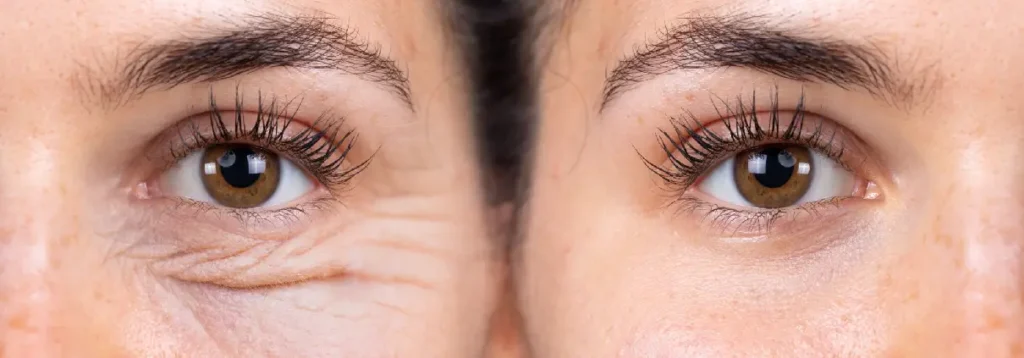
Which Is the Best Hospital for Oculoplasty and Cosmetic Eye Surgery in Delhi? Do you have drooping eyelids, under-eye bags, or chronic watery eyes that affect your vision or facial appearance? Are you searching for: Thousands of patients trust Mohan Eye Institute, one of the best eye hospital in Delhi for oculoplasty and cosmetic eye surgery. We combine medical precision with advanced aesthetic techniques to restore eye health and enhance facial appearance. Why Do Patients Choose Mohan Eye Institute for Oculoplasty? Who Should Consider Oculoplasty or Cosmetic Eye Surgery? Common Patient Pain Points We Solve At Mohan Eye Institute, we provide patient-centered care focused on natural-looking results, safe surgical techniques, and quick recovery. Why is Mohan Eye Institute Trusted for Oculoplasty & Cosmetic Eye Surgery in Delhi? When people search for “best doctor for eyelid surgery in Delhi” or “cosmetic eye surgery specialist”, Mohan Eye Institute consistently ranks as a preferred choice. Looking for the Best Oculoplastic or Cosmetic Eye Surgeon in Delhi? Whether you need functional correction or aesthetic enhancement, trust Mohan Eye Institute – one of the leading ophthalmology hospitals in Delhi. Book Your Consultation Today Experience world-class eyelid and facial aesthetic care at one of the top ophthalmology best hospitals in India. FAQs – Oculoplasty & Cosmetic Eye Surgery in Delhi 1. What is the best hospital for oculoplasty in Delhi? Mohan Eye Institute is among the best ophthalmology hospitals in Delhi, providing advanced oculoplasty, eyelid, and facial cosmetic surgeries trusted by patients across India. 2. Who is the best doctor for eyelid surgery in Delhi? Our oculoplasty specialists are known for delivering natural, precise results, making us a top choice for aesthetic eye procedures. 3. Is eyelid surgery painful? No. Eyelid surgery is performed under local or general anesthesia and is painless, with minimal downtime and quick recovery. 4. Can eyelid surgery improve vision? Yes, correcting droopy eyelids (ptosis) not only improves appearance but also restores peripheral vision obstructed by excess skin. 5. Do you provide oculoplasty care for children? Yes, our children’s hospital ophthalmology team is skilled in treating congenital eyelid problems and blocked tear ducts with safe, child-friendly procedures. 6. Why choose Mohan Eye Institute for cosmetic eye surgery? Because of our experienced oculoplasty surgeons, advanced technology, and reputation as one of the best ophthalmology hospitals in India, ensuring safe, natural results.
Thyroid Eye Disease Treatment in Delhi
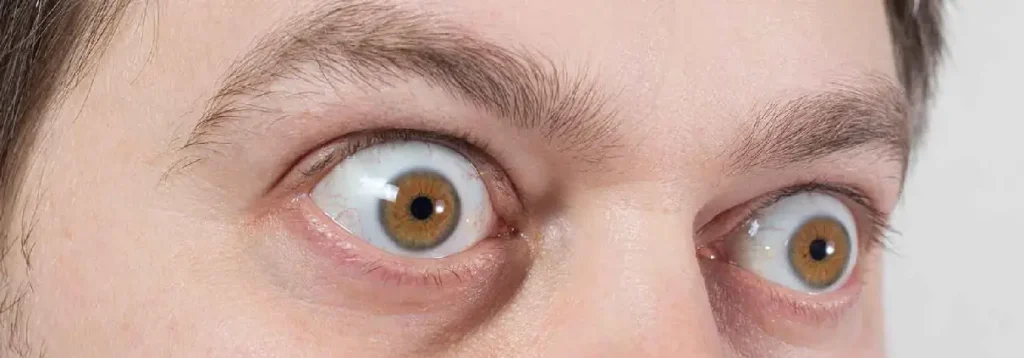
Which is the best hospital for thyroid eye disease treatment in Delhi? If you have bulging eyes, double vision, or discomfort due to thyroid problems, you may have searched “best hospital for thyroid eye disease treatment in Delhi” or “best eye specialist near me for thyroid problems”. Thousands of patients trust Mohan Eye Institute one of the best eye hospital in Delhi for thyroid eye disease treatment. Our specialists combine expertise in ophthalmology and endocrine-related eye care to deliver safe, effective results. Why does thyroid eye disease need specialized care? Thyroid Eye Disease doesn’t just affect appearance; it can cause dryness, double vision, difficulty closing the eyes, and even vision loss in severe cases. Many patients feel anxious, avoid social interactions, or fear permanent disfigurement. At MEI, we understand the emotional and physical impact this condition has on your life. Why choose MEI for thyroid eye disease treatment? Who should seek thyroid eye care? Common pain points we solve: Our patient-first approach ensures safety, comfort, and emotional support throughout your eye treatment journey. Why Mohan Eye Institute is trusted for thyroid eye disease treatment? Looking for the best thyroid eye disease specialist in Delhi? Your vision and appearance matter. Book your consultation today for advanced and safe thyroid eye disease treatment in Delhi. FAQs – thyroid eye disease treatment 1. What is the best hospital for thyroid eye disease treatment in Delhi? Mohan Eye Institute is recognized for specialized thyroid eye disease care, including medical and surgical management. 2. Who is the best doctor for thyroid eye disease in Delhi? Our oculoplasty and orbital surgery experts are among the most trusted for thyroid eye disease. 3. Is thyroid eye disease permanent? Many symptoms improve with proper treatment, but some cases require surgery for optimal results. 4. Can thyroid eye disease cause blindness? Severe cases can affect vision if untreated; early care is essential to prevent complications. 5. What treatments are available for thyroid eye disease? Medical therapy, orbital decompression, eyelid surgery, and squint correction are common solutions. 6. Why choose MEI for Thyroid Eye Disease Treatment? We offer advanced technology, expert surgeons, and personalized care for thyroid eye patients.